Back to the Lab

A bit of hope!

Reality check
2026 | Galway, Ireland

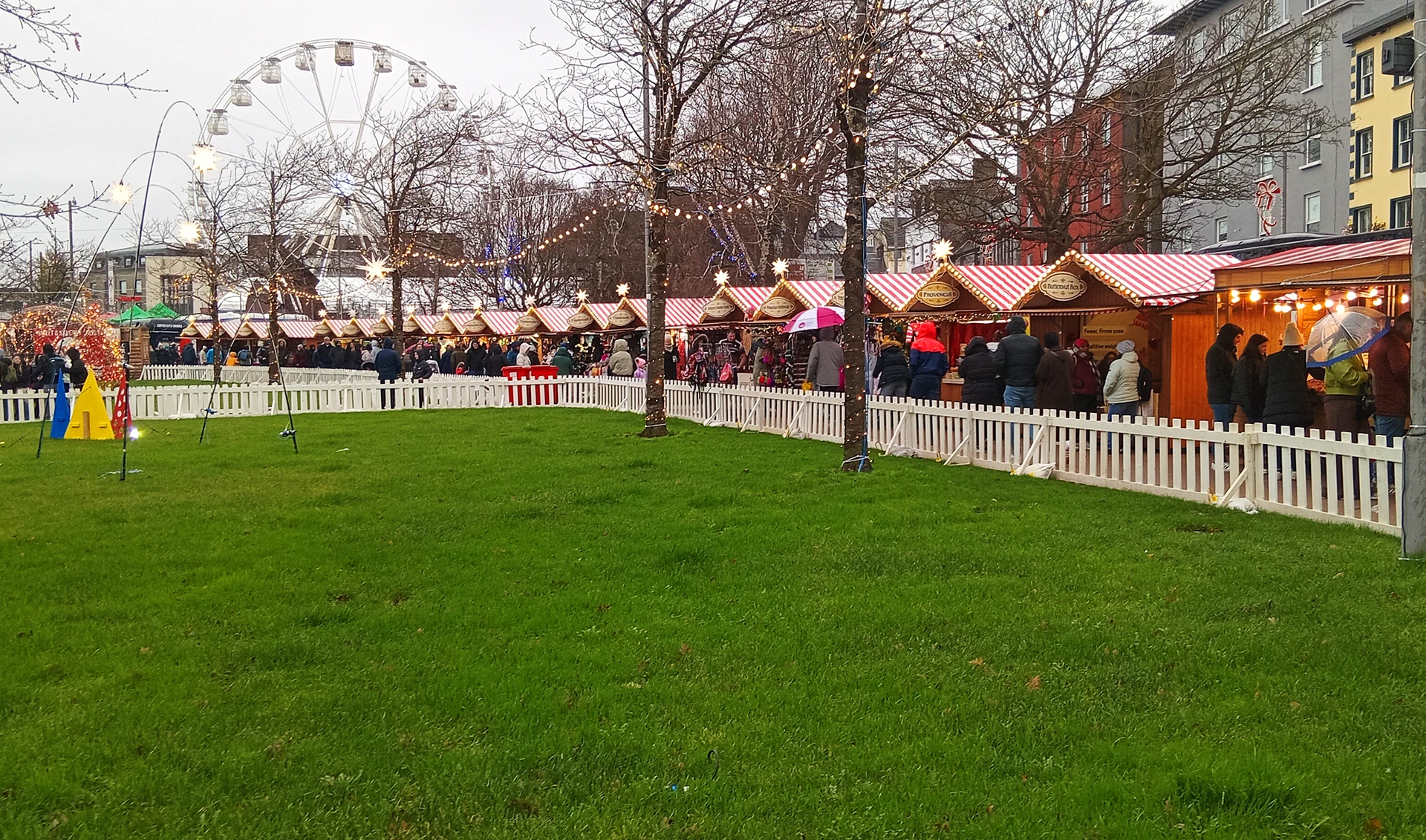
A stall selling shower heads was a popular topic of discussion in and around this Christmas market in Galway.

Raging waters

At end of November, I was up in Galway facilitating a workshop at a conference that saw students gathering from across Ireland. 
 
It’s been a while since I’ve been contacted to chat openly about queer issues. With the Crossroads-project in my portfolio, it’s a topic I’ve dug into since 2021, researching the lived experiences of queer people of colour in Ireland, particularly Cork. As such, the specific session was on Race and LGBT. The organisers were pretty generous – initially a one-hour-session was slated, but they eventually increased it to a two-hour session.
 
But first: a bit about my time in Galway!
I rarely get to explore Galway city, often zooming directly out further west to direct science videos, to explore the leftovers of an eroded mountain chain or to go hiking. But as a sleepover was included, I got to catch up with a great friend and to immerse myself in the busy city.
 
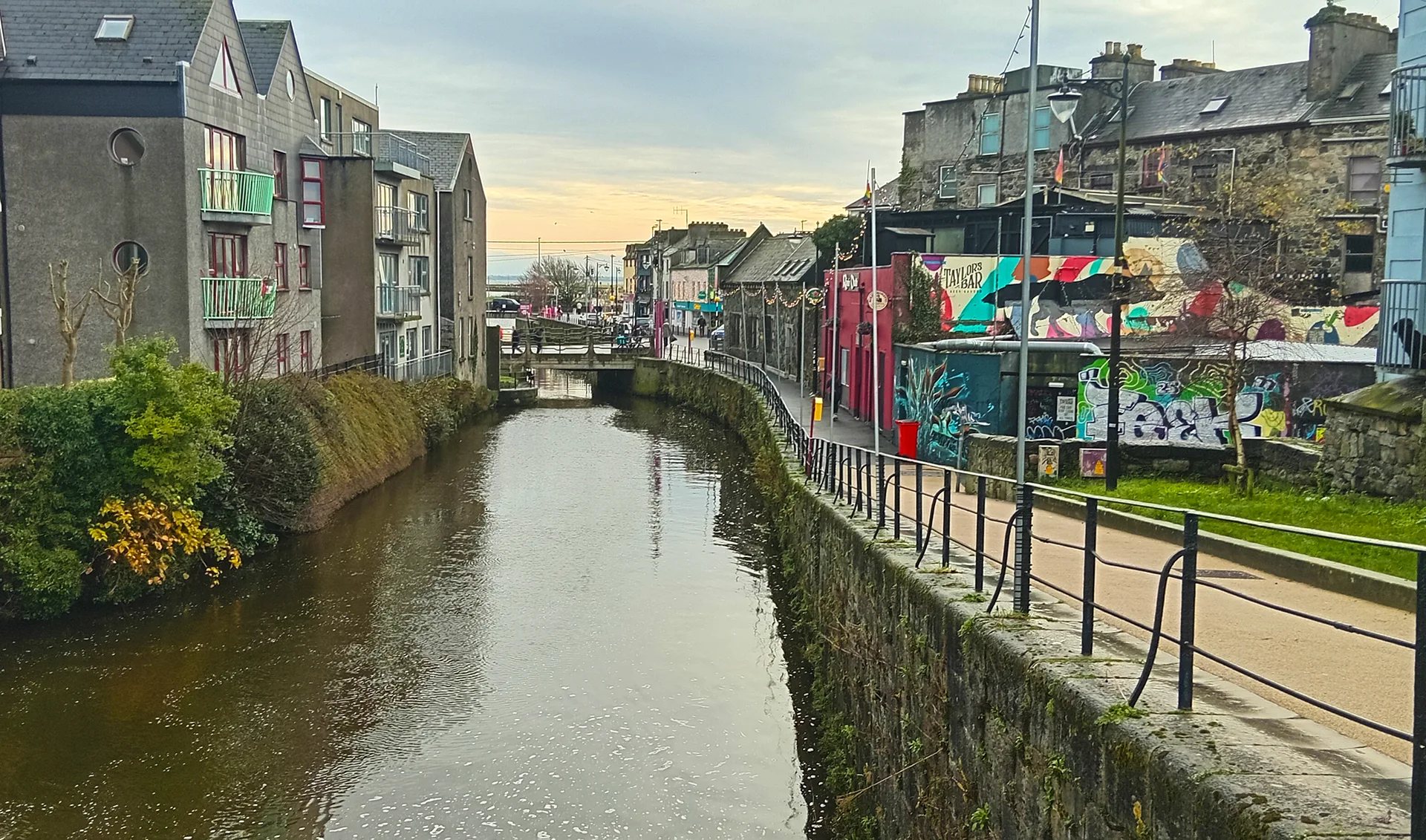
Carving through urban Galway, one of the shortest rivers in Ireland, the Corrib is a wonder to behold. It’s a raging and loud cascade of water starting from Lake Corrib, gushing southwards for less than ten kilometres before it reaches Atlantic waters. I could stare at it for hours in awe of its ferocity.

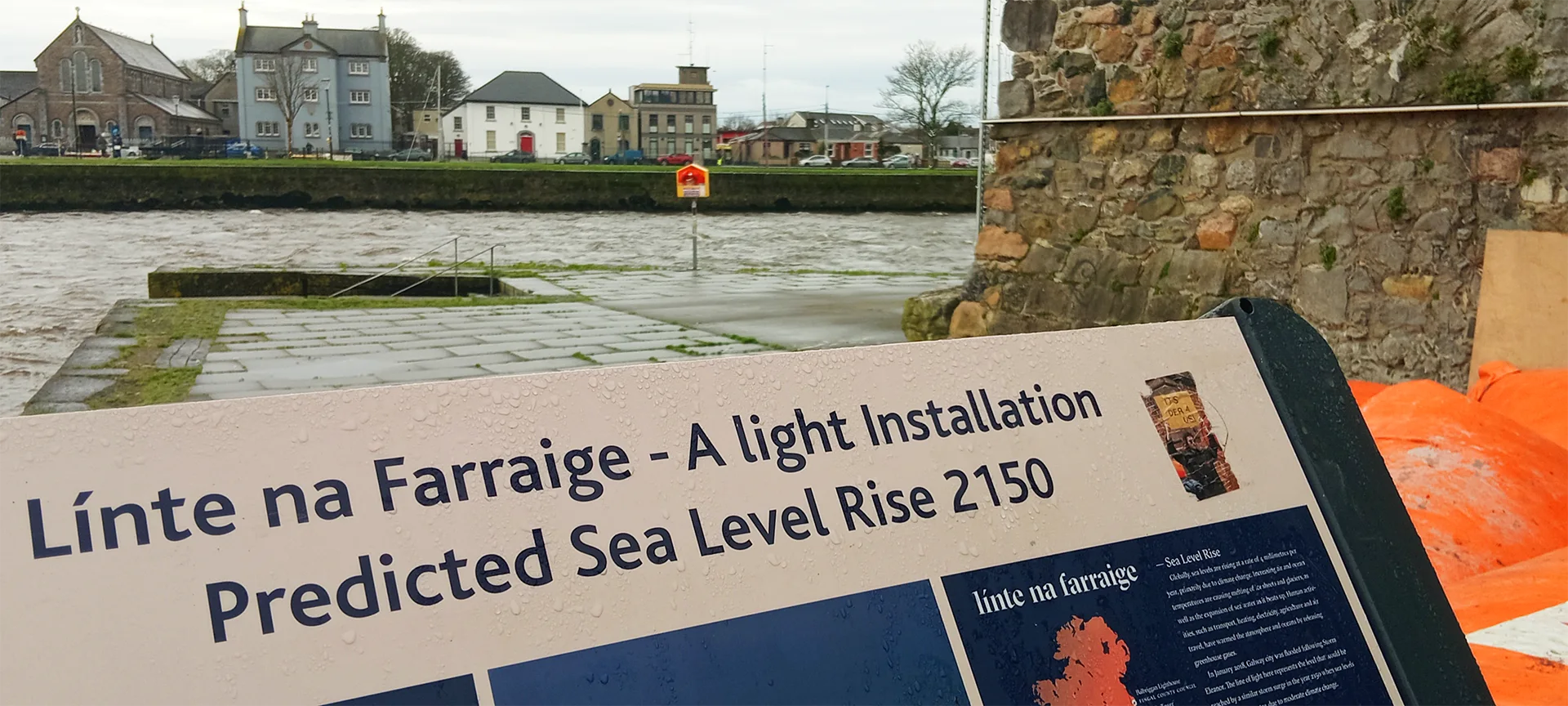
On the eastern shores of the river at Spanish Point, there’s an open-air installation artpiece Línte na Farraige by Timo Aho and Pekka Niittyvirta showing predicted water levels of the river by year 2150.

Admiring the piece, I caught myself thinking: “2150? Oh, well, that’s a while away”. But then I re-absorbed this thought… that sort of thinking is part of the problem.
“Pollution and mass death in 2025 is not my problem” said a person in 1900.
Moral panic!

When you’re pretty vocal about everything that’s going on around us, you end up in plenty of weird conversations. Anything from condensation trails, to Palestinian human rights, to mass extinctions and queer rights. 
 
From these one can easily understand that social division is a product of power cementation by those who currently are the wealthiest in terms of money. And of course, there are the lesser or semi-wealthy people who work for the ultra-wealthy: mainstream media folks, lobbyists, politicians, influencers etc. etc.
 
Basic social mechanisms are at play. Mainstream media and our establishments are panicking about how quickly they’re losing validity, and thus power. Understandably so, as they’ve been creating consent for genocide for over two years, not taking climate change and environmental issues seriously and not constructively adressed the housing crisis and the cost of living, and as such, their epistemological and professional credibilities are collapsing – deservedly so.
 
Only those benefitting from this elitist status quo will adhere to and defend it – and they’re dwindling in numbers.
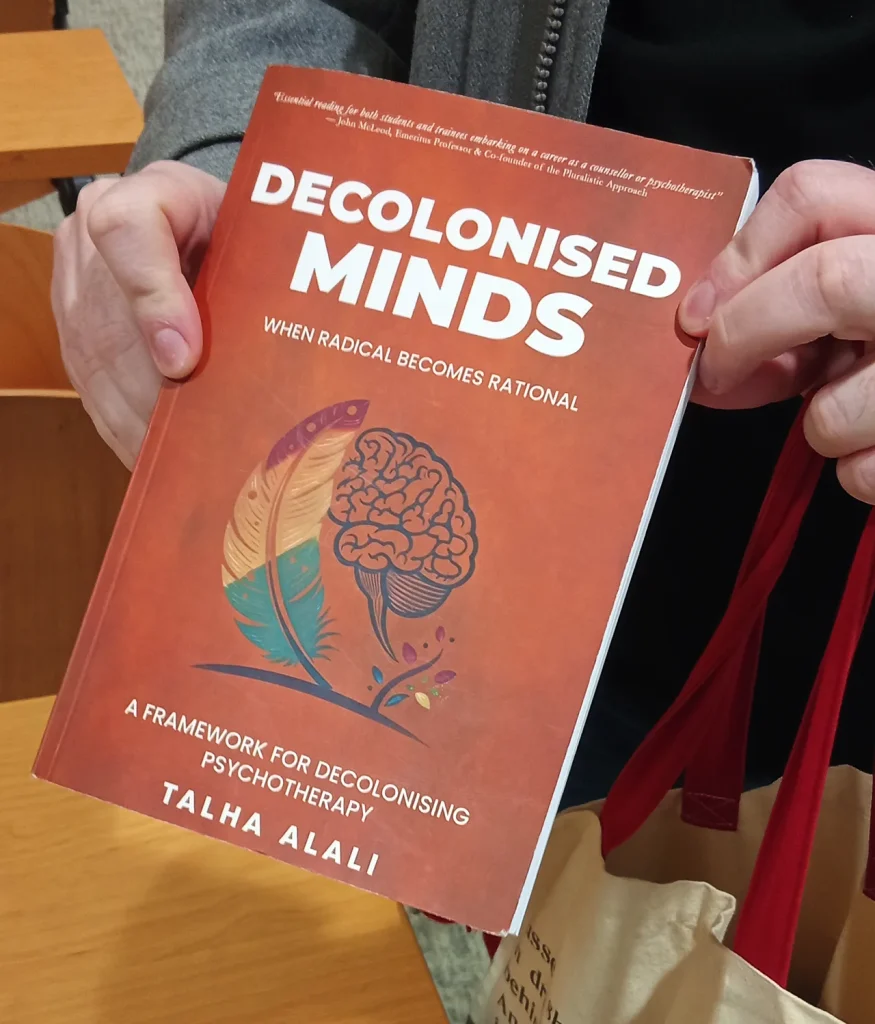
The horror, the horror! The young ones are exchanging decolonising literature!!
Meanwhile, the general struggles of the majority of people are not being combated, let alone constructively addressed by our decision makers and mass media-institutions. 
 
Instead, smartphone usage by our adolescent demographics has become the current scapegoat for all things bad.
 
So, let’s be clear:
The use of social media is not a major influence on young people’s mental health.

Knowing too much

Admittedly, content on social media can affect all of us negatively, since a lot of said content is incredibly cruel, but that’s a reflection of our society. The fact that the social media-companies aren’t properly policed, but that civilians are instead, should say enough. When ever I start a YouTube-account for a new project, the landing page immediately feed me with misogynist, racist and queerphobic content.
 
During a related conversation, a woman tried to convince me that young people “know too much” these days because of smartphones. A sentiment that can be traced back to wealthy conservatives who don’t want young people to know about racism, genocide and environmental degradation.

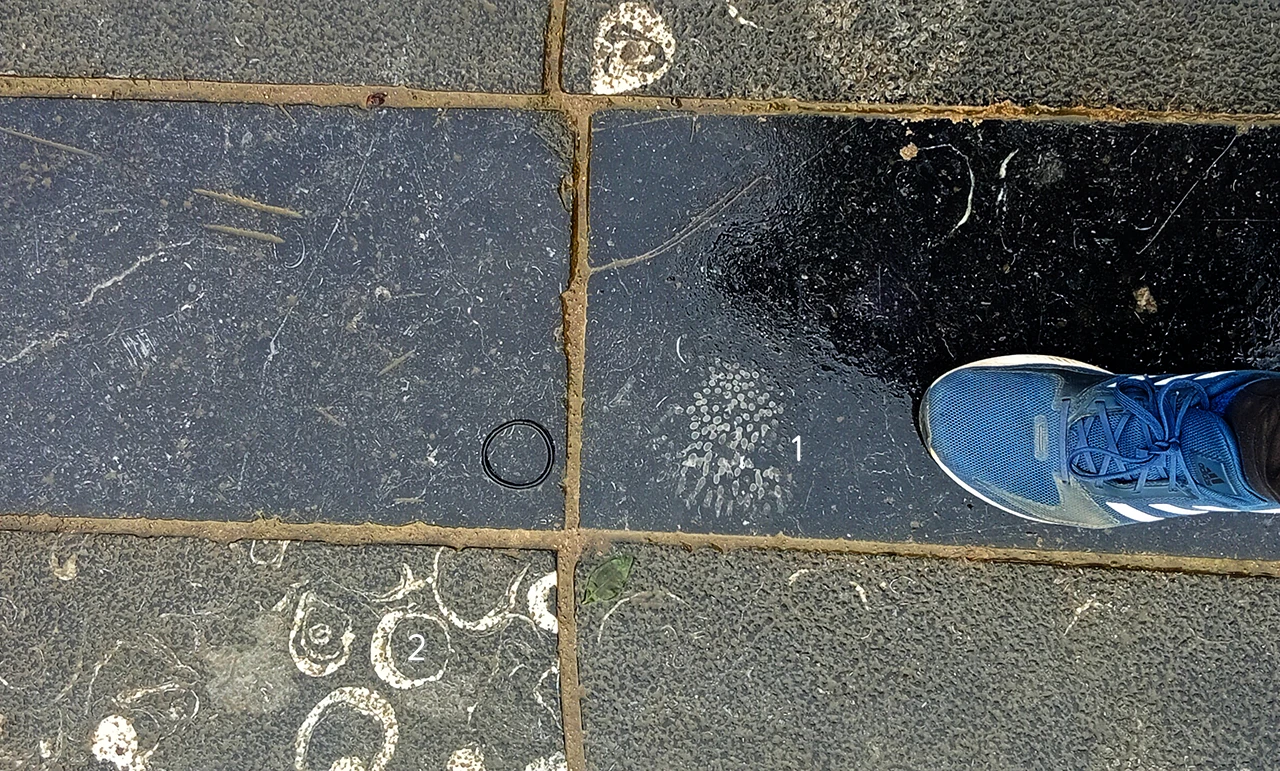
Once a tropical reef with corals and sea lilies, now these rocks are part of Galway’s infrastructure. Seen here are 1) corals called Siphonodendron and 2) various molluscs known as Gigantoproductus.
Recently, I had a chat with a friend in Cork about how one could work for positive change within the current status quo.
 
He argued that policies and legislation can unfortunately take a long time to implement and police, but that they’re critical in order to change things for the better. I agreed partially – I’ve contributed to policy briefs over the years. Policies and legislation set to improve human rights, the well-being of the general population and environmental protection take a long time, yes. On the other hand, anything that can expand governmental control, surveillance and corporate control and influence will be implemented over the course of weeks or days.
 
So, with all of this in mind, it all seems like we’ve no real protection from all forms of collapse, environmental degradation, abject poverty, mass killings and increased human suffering as we’re all too comfortable to counter the evil at the top. 
 
After all, some of the wealthiest people in the world do support the extinction of the masses. The sad thing is that I don’t have to post references for this statement, as you can just follow Elon Musk, Peter Thiel, Marc Andreessen or Sam Altman on social media and see for yourself. They’re incredibly open about their insane ideas at this point, simply because too few hold them to account.

Fruitful chats

Then I engaged with some of the students who came to my session in Galway. Through it, I covered our perceptions on race, genetics and heritage, identity, evil politicians, genocide and, of course, the environment. All to draw lines back to colonialism and it’s manifestation through capitalism – informed by accessible literature, history and social and natural science.
Did you know that some of the earliest known laws in Ireland, the Brehon Laws, had sharper environmental protection legislation than we do today? For instance, bees and trees were protected from harm – with severe punishment if you just went ahead and chopped down a tree.
 
Perhaps you knew that much modern-day homophobic legislation stems from Henry the 8th’s 1533 Buggery Act that were part of widespread land-grabbing campaigns against the monasteries in a religiously reforming England? After all, the Act was unique as even clerical people could be tried and executed for this supposedly horribly “sin”. This bit of legislation became the basis of British Imperial homophobic legislation across the world up until today.
 
The complete deforestation of Ireland and criminalisation of homosexuality have the same roots in imperialism. Many Irish place names today still reference times of expansive tree cover, yet only around 1% of the country is today covered by native forestry.
 
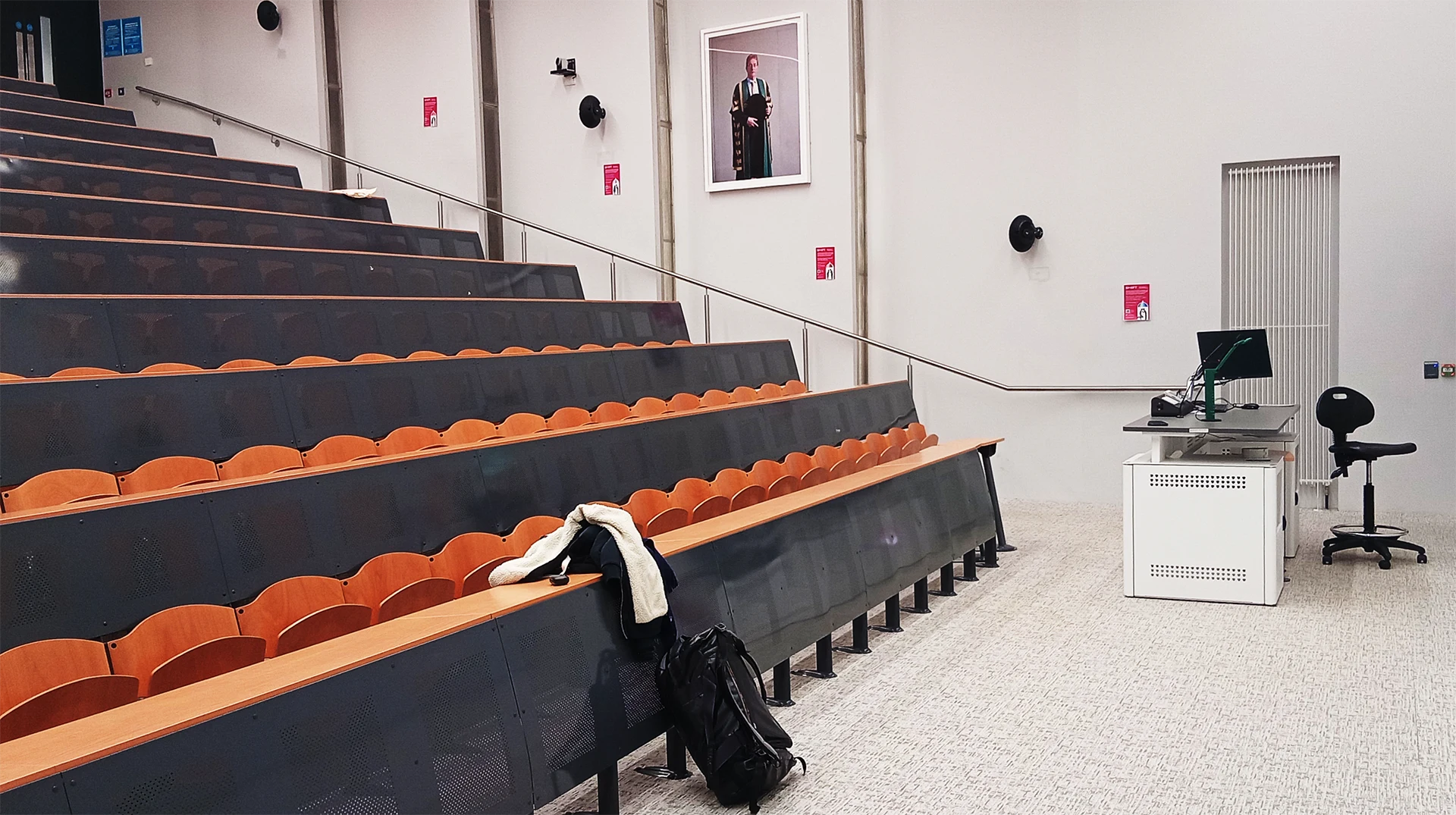
But some of the young people in the room were already keenly aware of the points I was making. Beyond their college curricula, phone access had long given them access to organising, learning and empathising with people across borders. It was a buzzing experience chatting to many of these students during and after the session. In a time of widespread apathy and sociopathy, access to the world through smartphones has given many of these young people immense knowledge about the world. Some of them were fierce activists who are working hard to get their colleges to cut ties with Israeli institutions.

Standardised and sterile architecture is another consequence of systematic detachment from “natural” environments.
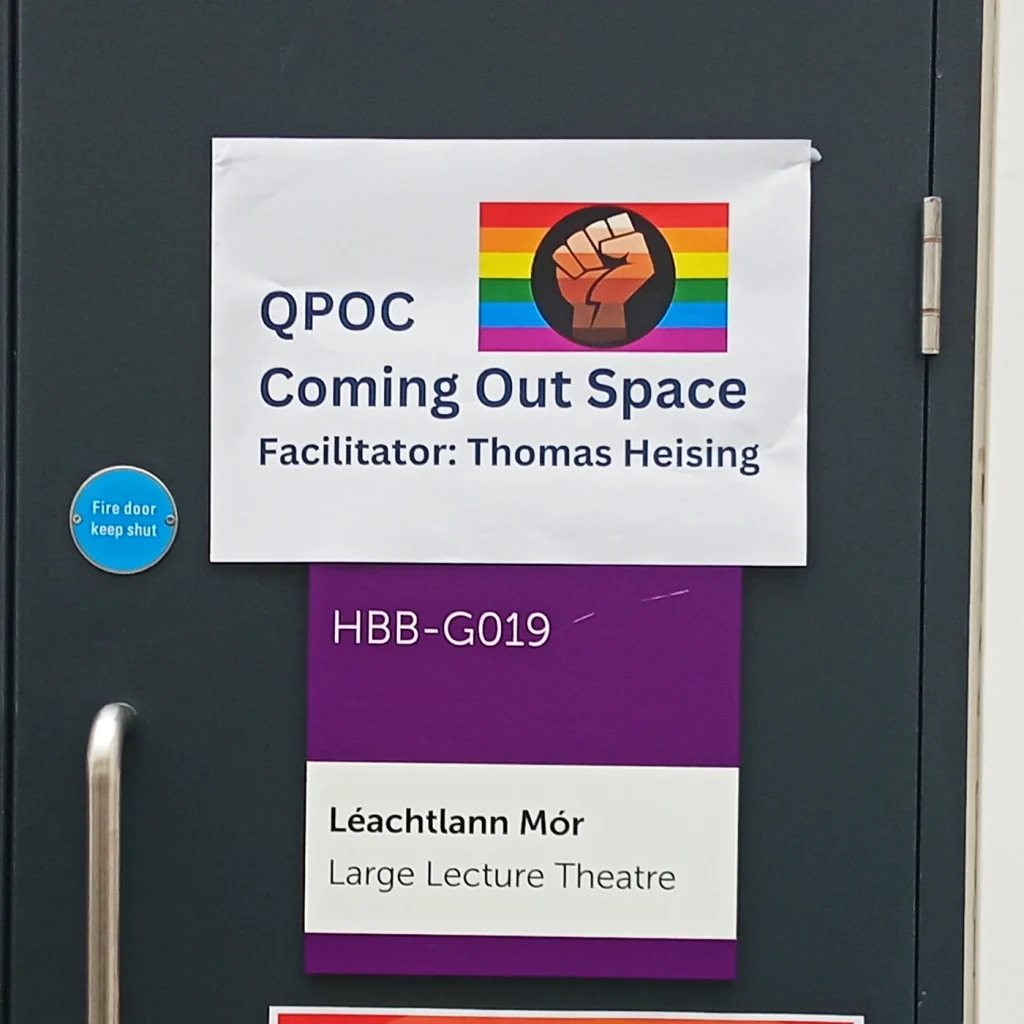
Wrapping up

The following day, we had an hour’s session to chat more closely and freely. This is where I learned from them in turn by listening to their thoughts and experiences. One of the key takeaways was, humorously, how much they couldn’t stand being in the company of cis gaymen. As someone who is a cis gayman, I could recognise all the harmful behaviours they were calling out, even recognise myself as someone who has perpetuated this sort of harm. I noted what they described was akin to a privileged American sorority society. They howled, screaming near-simultaneously: “Yes, that’s exactly it!”. I laughed and they proceded.
 
Smartphone access isn’t the problem. The problem is that we’re not listening to young people and what they’re going through in this horrific reality.
Oh, and I’m open for future speaking opportunities again, of course!
Young men who follow and admire misogynist influencers is only possible because our general society, including mainstream media, our economy and institutions are rife with misogyny. Migrants being attacked on the streets is a manifestation of racist white supremacist attitudes that have already been spread through mainstream culture.
 
Finally, young people learning about genocide and connecting with people going through genocide isn’t “learning too much” “too early“. It creates empathy across political boundaries in a time where Western governments are creating enemies left, right and centre, equating Palestinian children to “terrorists“, while dismantling welfare and environmental legislation regionally.
I hate to spell it out, but it seems to me that the political and media-based establishment is less informed by scientific research and reality than most young people I meet are.

References:

Bengry, J. 2022. Reflections on the criminalisation of sex between men in England and Wales. IPPR Progressive Review. DOI: 10.1111/newe.12325

Harris-Gavin, R. 2020. Ireland’s Forest Fallacy. Éire-Ireland. Vol. 55(3-4). PP. 150-172. DOI: 10.1353/eir.2020.0020

Johnson, P. & Vanderbeck, R. 2014. Law, Religion and Homosexuality. Routledge. Via Google Books.

Panayiotou, M., Black, L., Carmichael-Murphy, P., Qualter, P. & Humphrey, N. 2023. Time spent on social media among the least influential factors in adolescent mental health: preliminary results from a panel network analysis. Nat. Mental Health, Vol. 1, PP. 316–326. DOI: 10.1038/s44220-023-00063-7

Scott, B. 2024. Religious Communities and Their Closures in Ireland during the Sixteenth Century. Religions. Vol. 15(9), 1055. DOI: 10.3390/rel15091055

Shokouhi, M. 2019. Despirited Forests, Deforested Landscapes: The Historical Loss of Irish Woodlands. PP. 17-30. DOI: 10.4000/etudesirlandaises.6812

https://www.healthline.com/health-news/lgbtq-youth-mental-health-2024

https://www.hrp.org.uk/blog/walter-hungerford-and-the-buggery-act/

https://reason.com/2024/03/26/blaming-tech-for-teen-troubles/

https://www.theatlantic.com/technology/
archive/2024/05/candice-odgers-teens-smartphones/678433/