Reconstructing the world of the Old Red Sandstone
Secrets from a past world
Back to the Lab
Cork has plenty of fossils
If you’ve peered closely to some of the many exposures of Ireland’s limestone rocks, you’ll have seen numerous petrified remains of dozens of species of animals that lived in tropical seas 350 million years ago.
But you may also have heard of the “sandstone” that makes up many of Cork’s walls and monuments – across both county and city. The “sandstone” found here in Cork is officially known as ‘Old Red Sandstone’ or ORS, and though I find it rhythmic, it’s a misleading name.
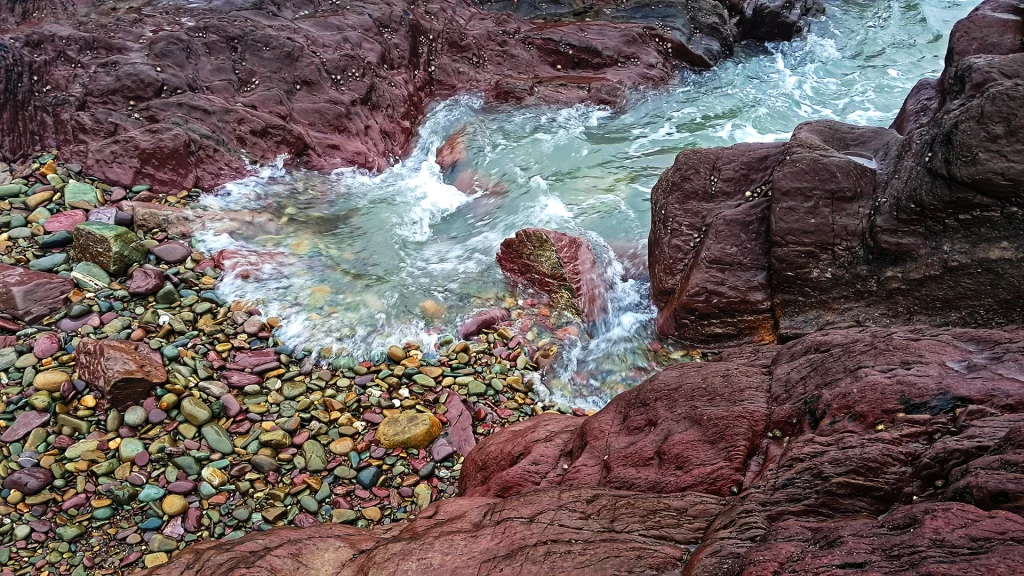
Old Red Sandstone at Church Bay. Note the colours of the pebbles - most of them are from the Old "Red" Sandstone.
The term describes this suite of rocks that is found in Ireland, Greenland, Norway and the UK. But seeing the ORS in-person, you’ll notice that it comes in a wide variety of colours and sediments. Instead of ‘Red Sandstone’ we could call it ‘Multicoloured Siliciclastics’, but I understand that that isn’t as catchy.
There's some truth to the name, though
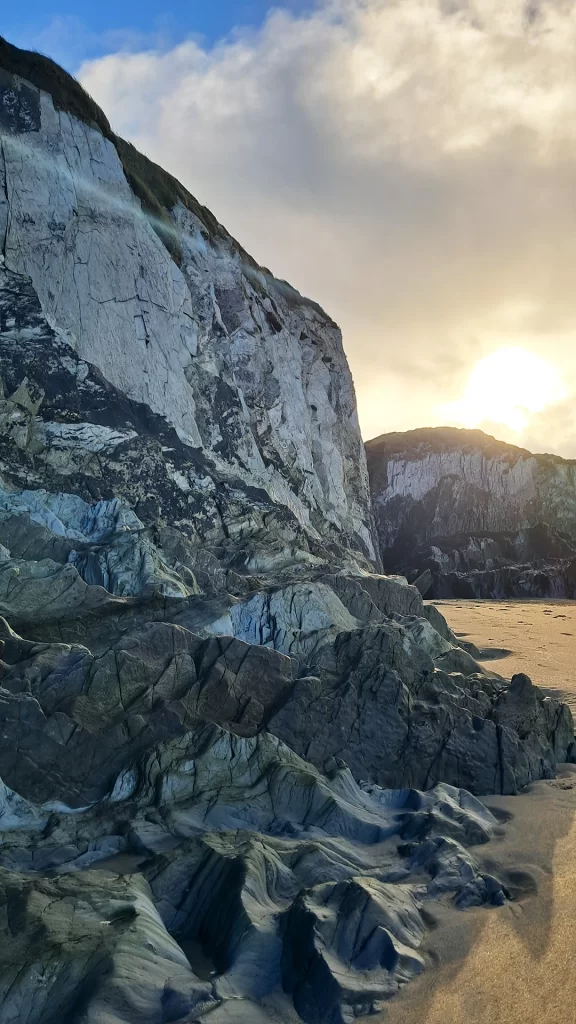
At Silver Strand on Sherkin Island.
But they’re indeed old! The rocks of the ORS were formed mostly during the geological period known as the Devonian. This period marks a stretch of time lasting from about 420 to 360 million years ago.
Here in Cork, most of the ORS was laid during the end of the Devonian Period into the beginning of the following period. But we’ll get to that another time.
West Cork in Ireland is one of those scenic places where the ORS can be studied in great detail backdropped by arresting landscapes. I highly recommend day trips out to Old Head of Kinsale, Dunworly Bay, Toe Head or Beara just to look at the ORS. You will quickly find other beautiful things too.
While the ORS has yielded many fossils from Greenland, Svalbard, Scotland and closer to home: Kerry, Cork’s exposures have proven more barren than those.
But there’s likely still much that hasn’t been discovered as the Devonian was a hugely interesting and eventful part of Earth’s history. And also as there’s a lot of ORS in Cork, which is the largest county in Ireland.
Despite the rarity of exposed fossils, we still know from these rocks that Cork was much, much different back then: a large continental desert-like landscape near the equator. Today, the Lee may be the main river flowing through Cork, but back 360 million years ago there would have been many large rivers going through this expansive landscape.
And obviously, this:
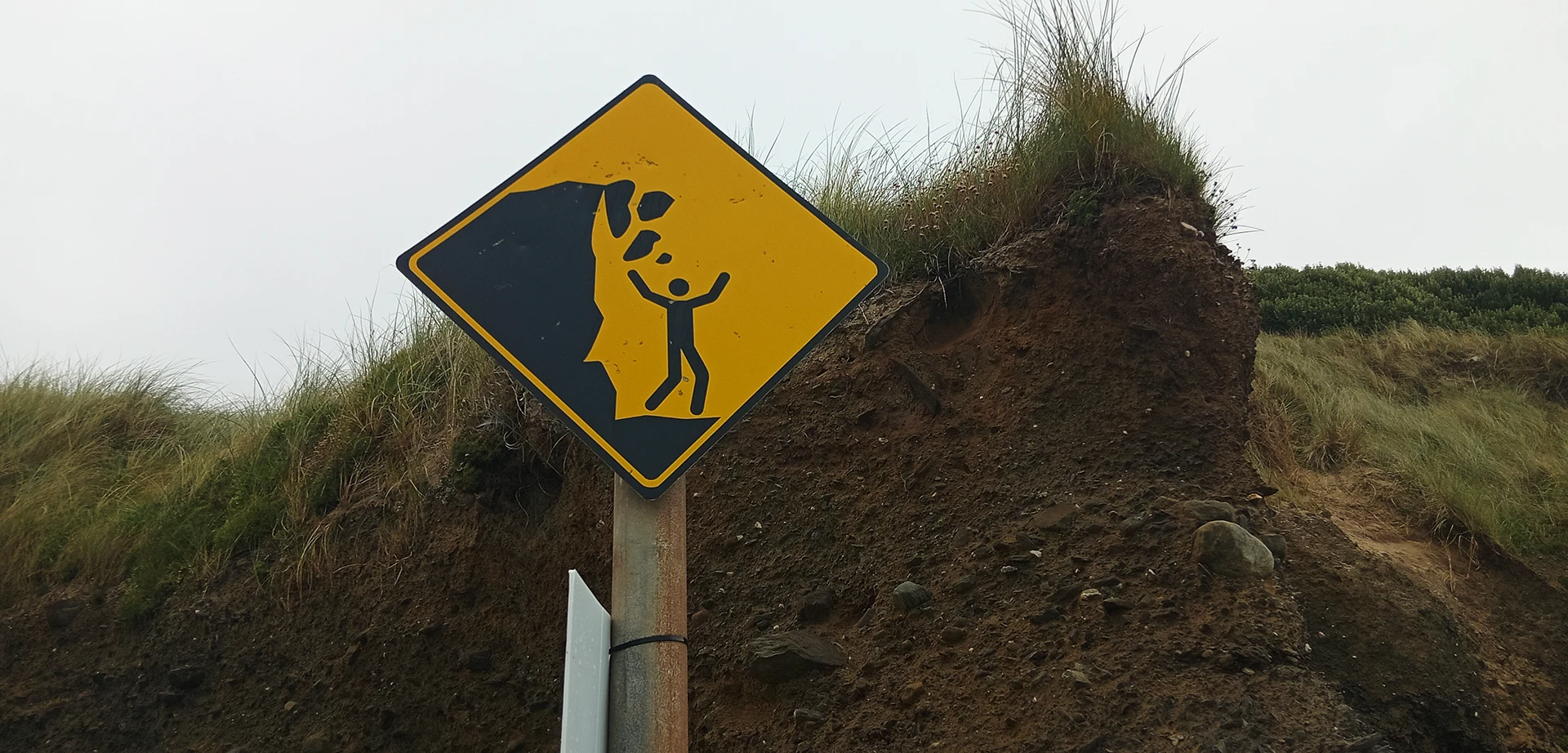
Please be careful around many of the cliffs, rocks and coastal sites. You and I both know that I can’t take responsbility if you get injured or lose belongings seeking out these natural wonders.
Toe Head
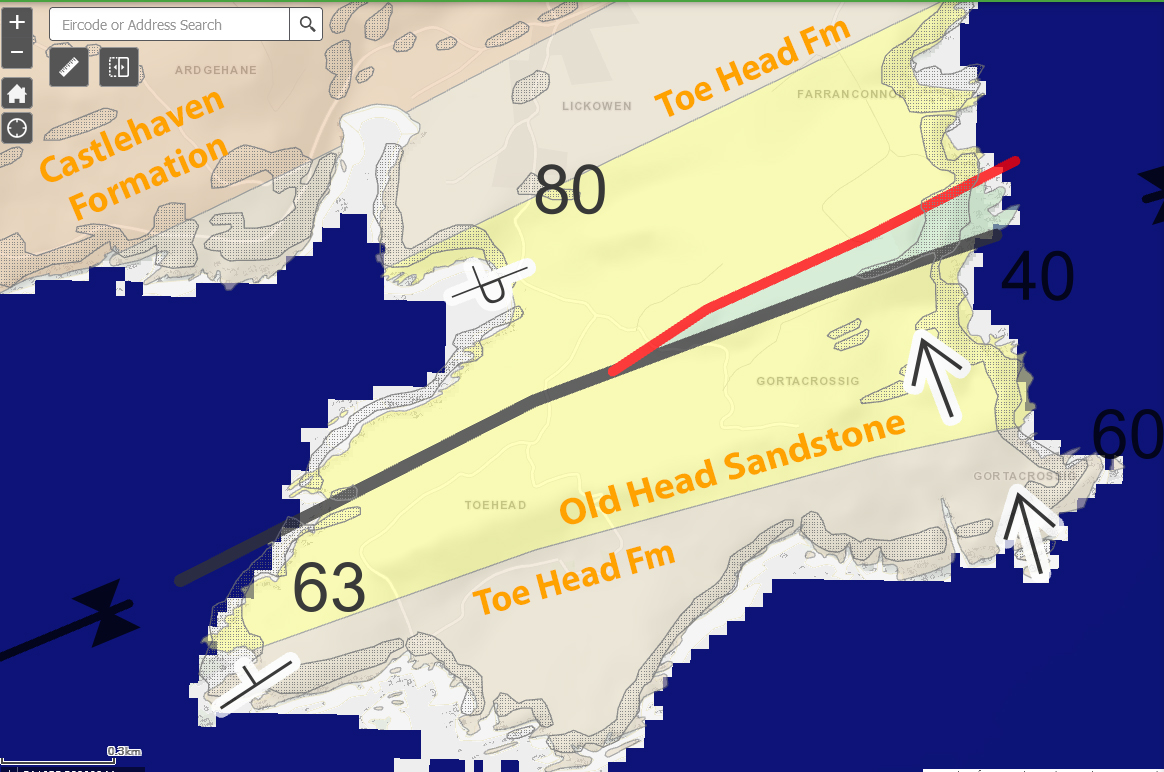
Geological map of the Toe Head peninsula taken from Geological Survey Ireland’s Spatial Resources.
There is a seemingly not-so-often-mentioned peninsula in West Cork called Toe Head. When you travel along some of the coastline there’ll be pockets where your phone signal disappears.
That’s alright! You’re out to enjoy the scenery and the rocks, not social media feeds.
Down by the coast, there’s a scenic cliff area with a natural rock arch and a dodgy way down to the beach. Once you’ve descended on to the beach, that’s where the fun begins. Be careful though.
As seen in the geological map above, two main geological units aged about 360 million years old (again, the end of the Devonian Period) are bordering each other here. Both belong to the Old Red Sandstone and are made of pretty much the same material. One is Toe Head Formation and the other is Old Head Sandstone.
Old Head Sandstone is the last and youngest geological unit of the Devonian in Cork before stepping into the next geological period: the Carboniferous Period. Interestingly, life on Earth went through some pretty tough times during the transition from the Devonian to the Carboniferous, primarily two or more severe mass extinctions.
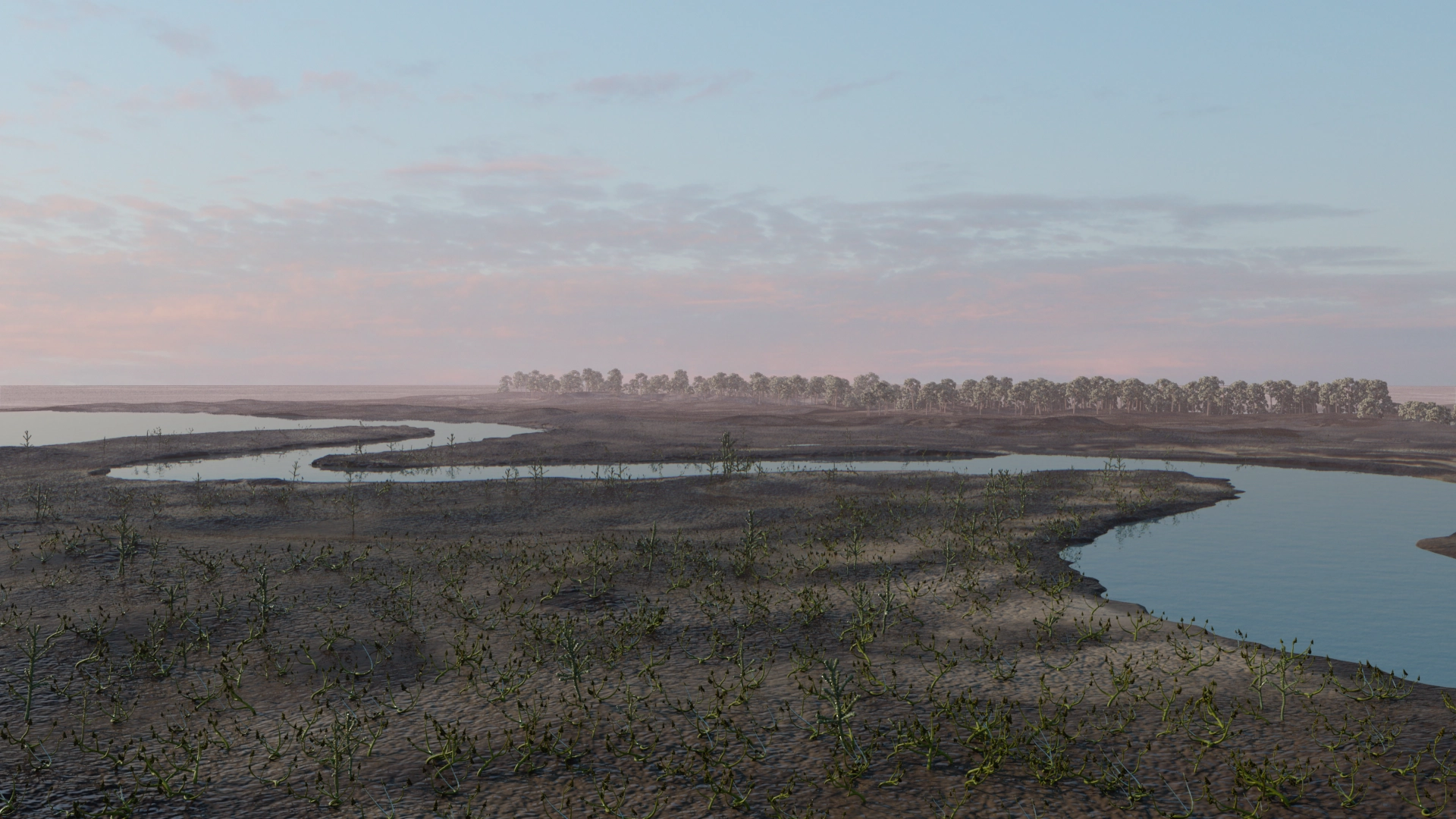
I’ve done a few visual reconstructions of what Cork may have looked like during the Devonian. First for Hardcore Cork and then for a brochure for Cork City Council. The above ended up being an attempt at 3D-rendering such a prehistoric landscape photorealistically.
Guidance, feedback and approval came from geologists at University College Cork on these renders, as such I’d like to think that these are sufficiently valid visualisations of what Cork may have looked like 360 million years ago.
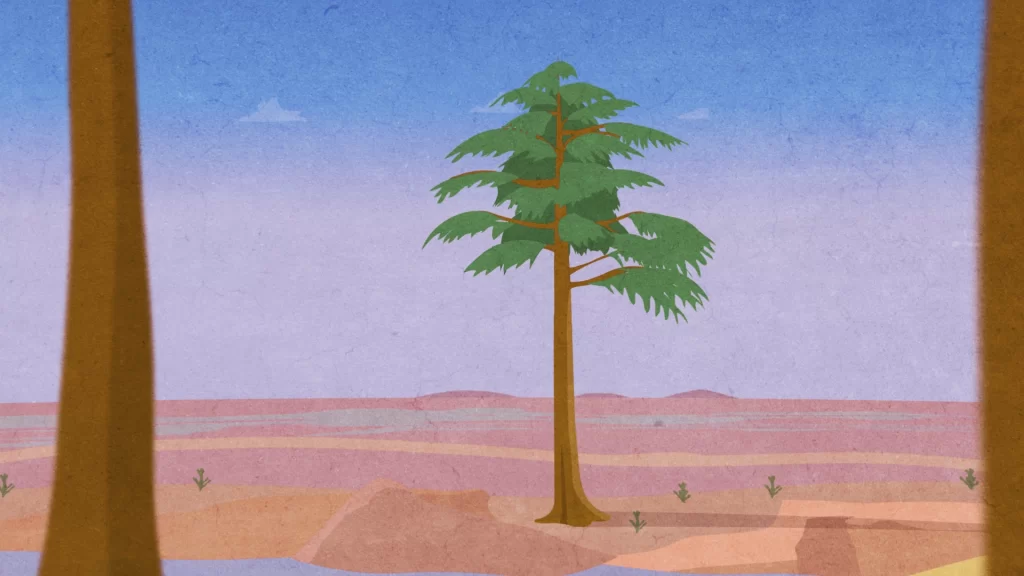
The above reconstruction from a geological heritage brochure I wrote for Cork City Council specifically focuses on an Archaeopteris-tree. This was fully illustrated and animated in 2D.
Archaeopteris was an unprecedentedly tall plant and one of the first trees or tree-like plants to develop on Earth. While vegetation of this size had been hard to find a few millions of years earlier, Archaeopteris quickly took over and spread across the globe.
Fossils from these plants are found in different parts of Ireland, including in Cork. And this is where my obsession starts…
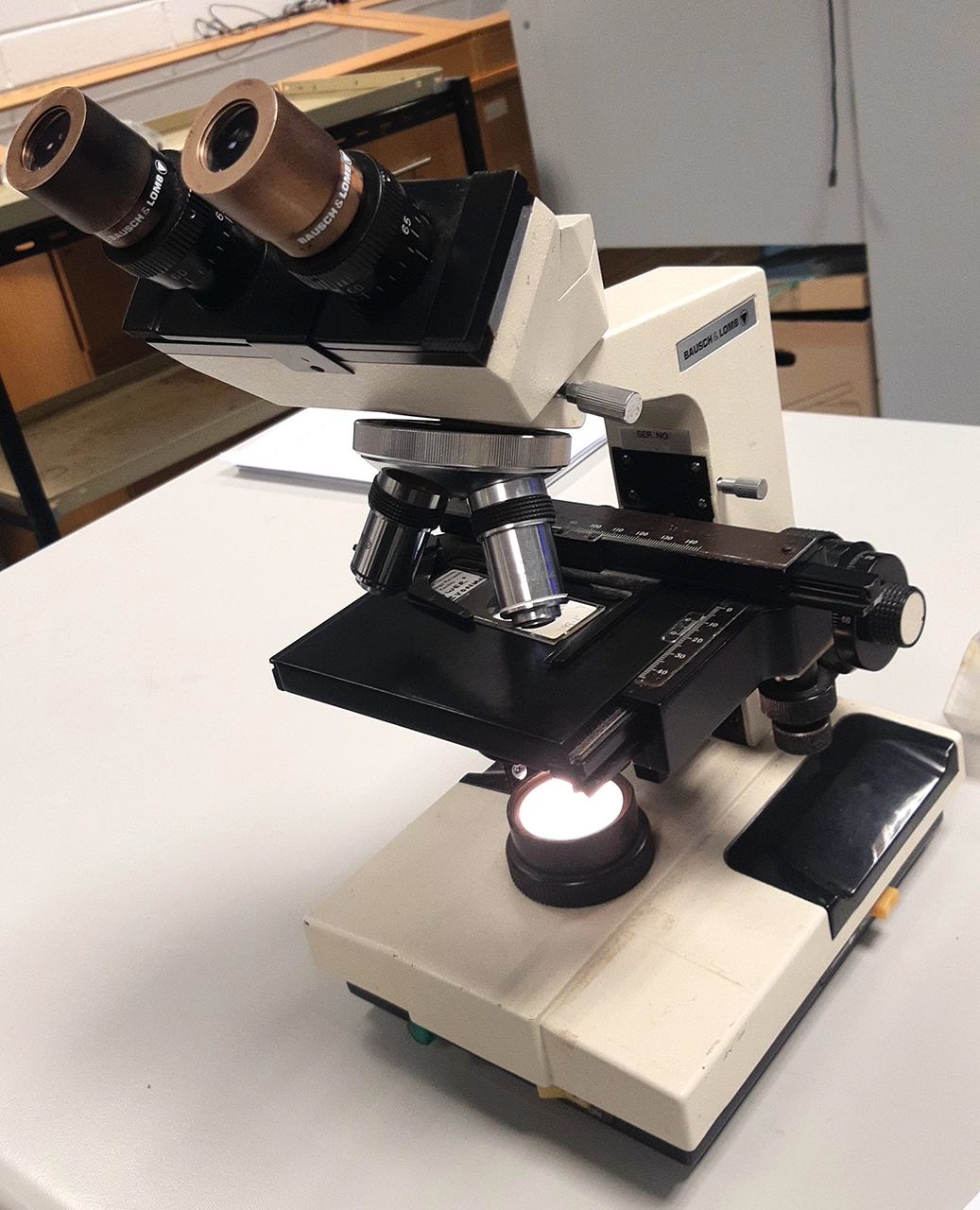
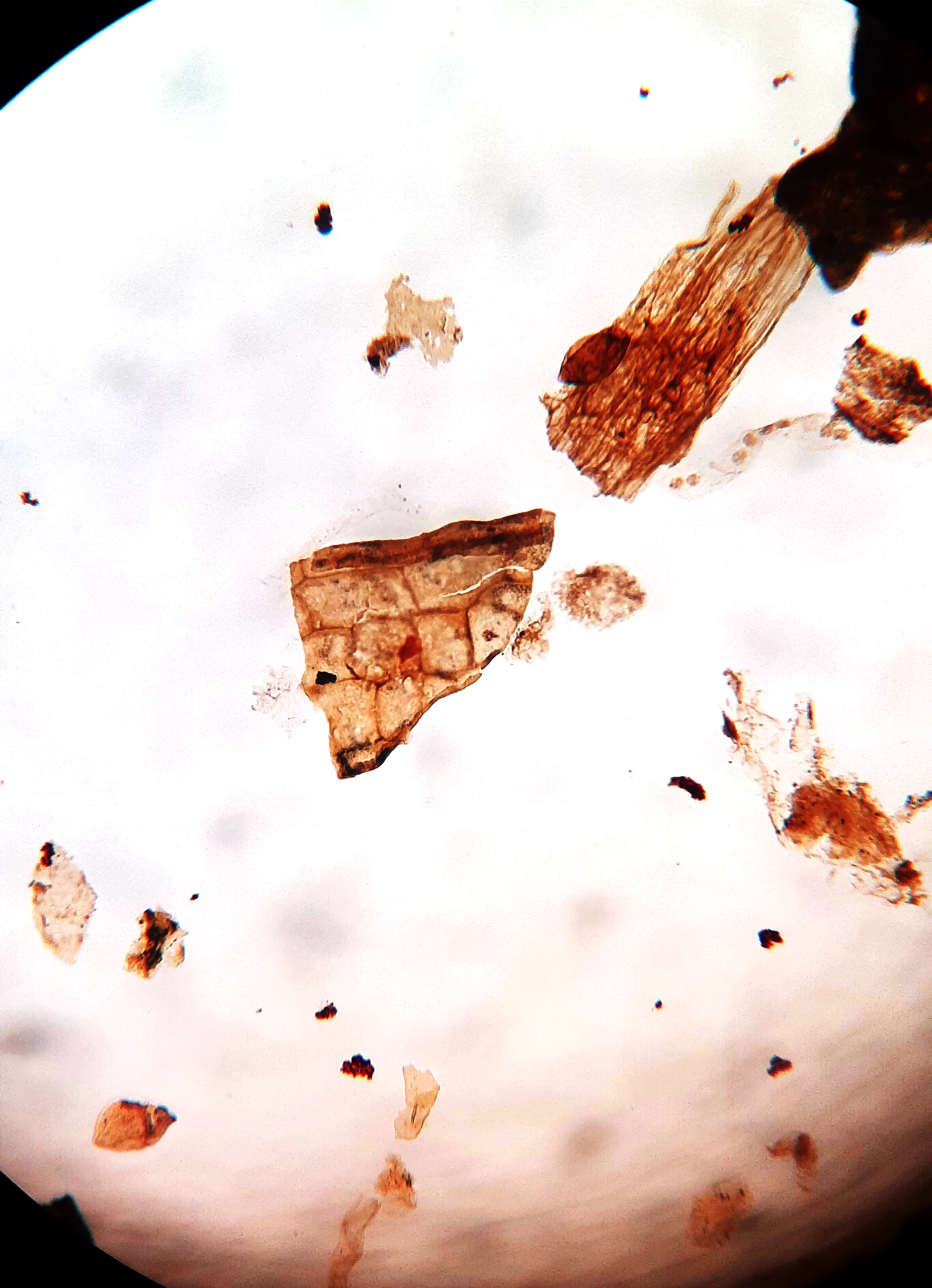
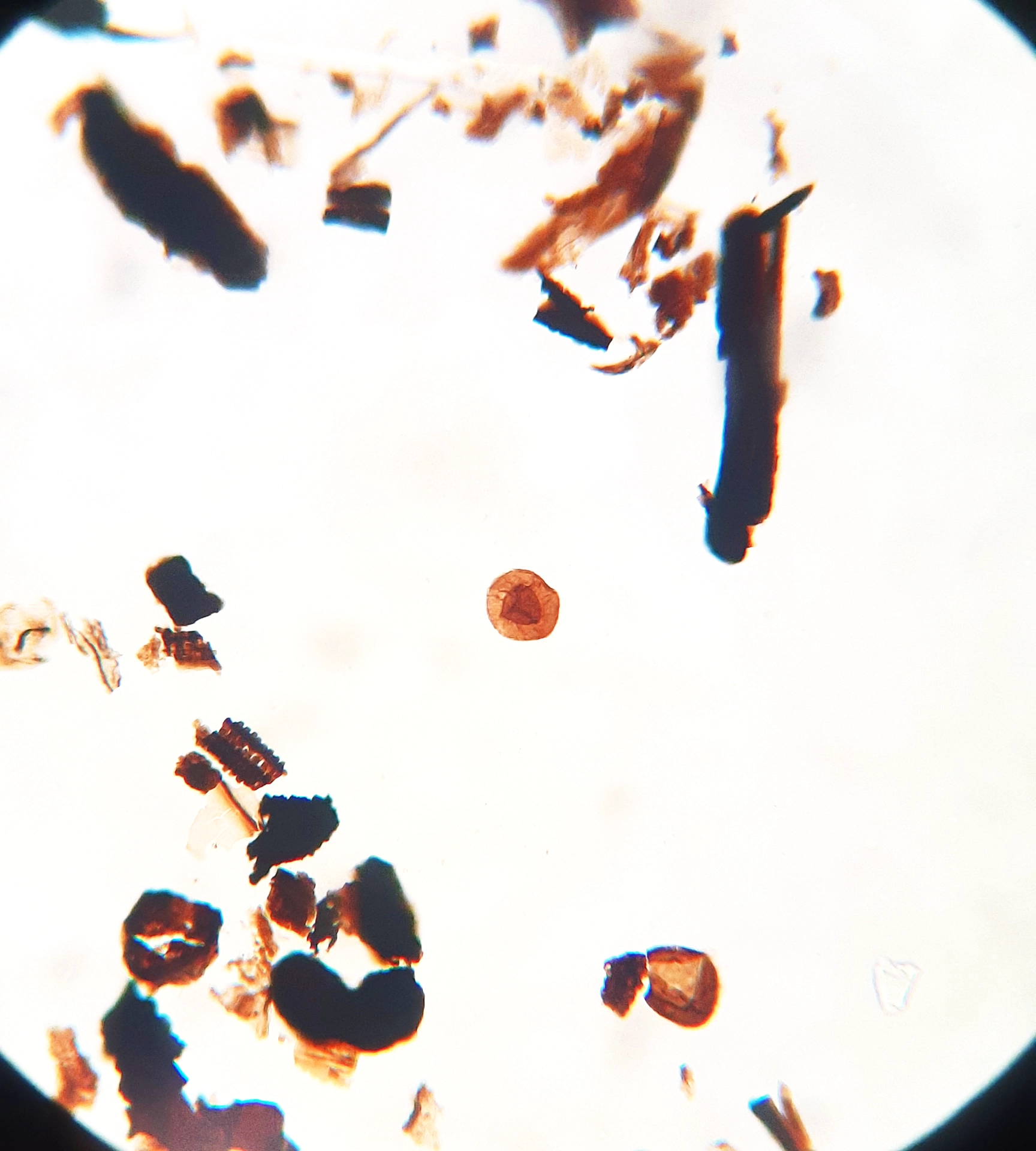
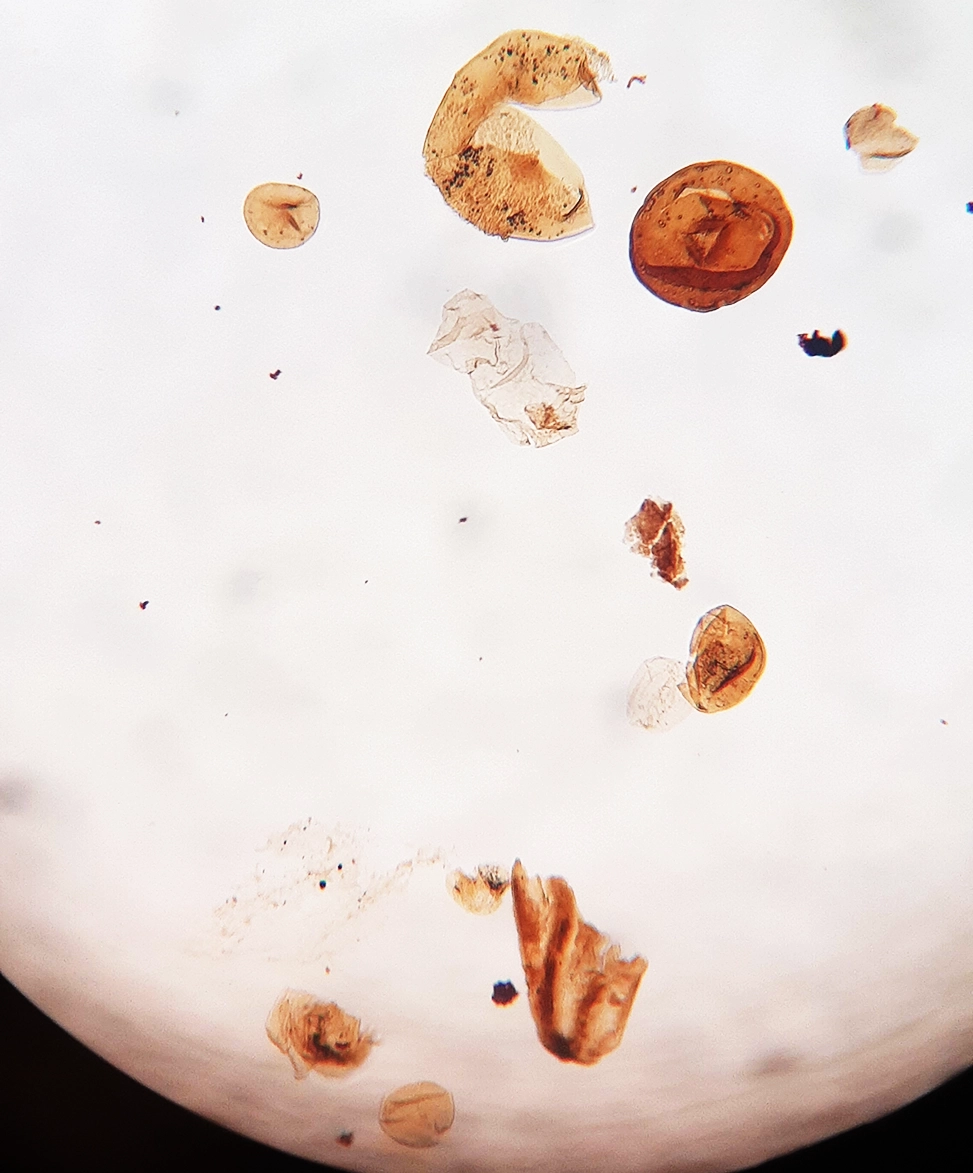
Above are images from a workshop hosted by The Cork Geological Association at University College Cork. The magnified images here show spores and tiny fragments from plants such as early ferns that lived during the Devonian in Ireland. In my fascination of looking at plus 360-million-year-old plant material, I also forgot to note the levels of magnification for each picture.
Ops.
Heading outside
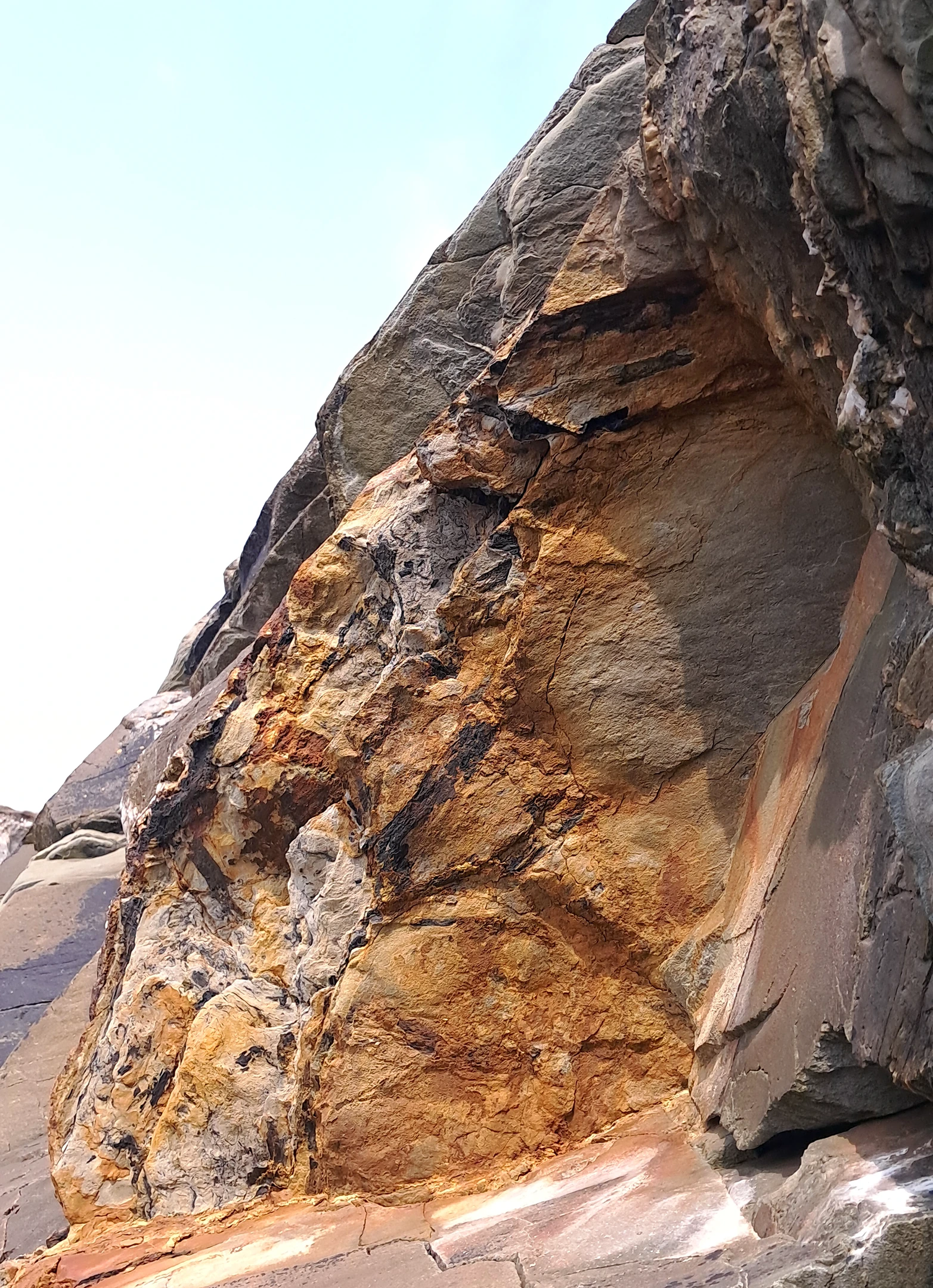
Anyways! Back to Toe Head in West Cork.
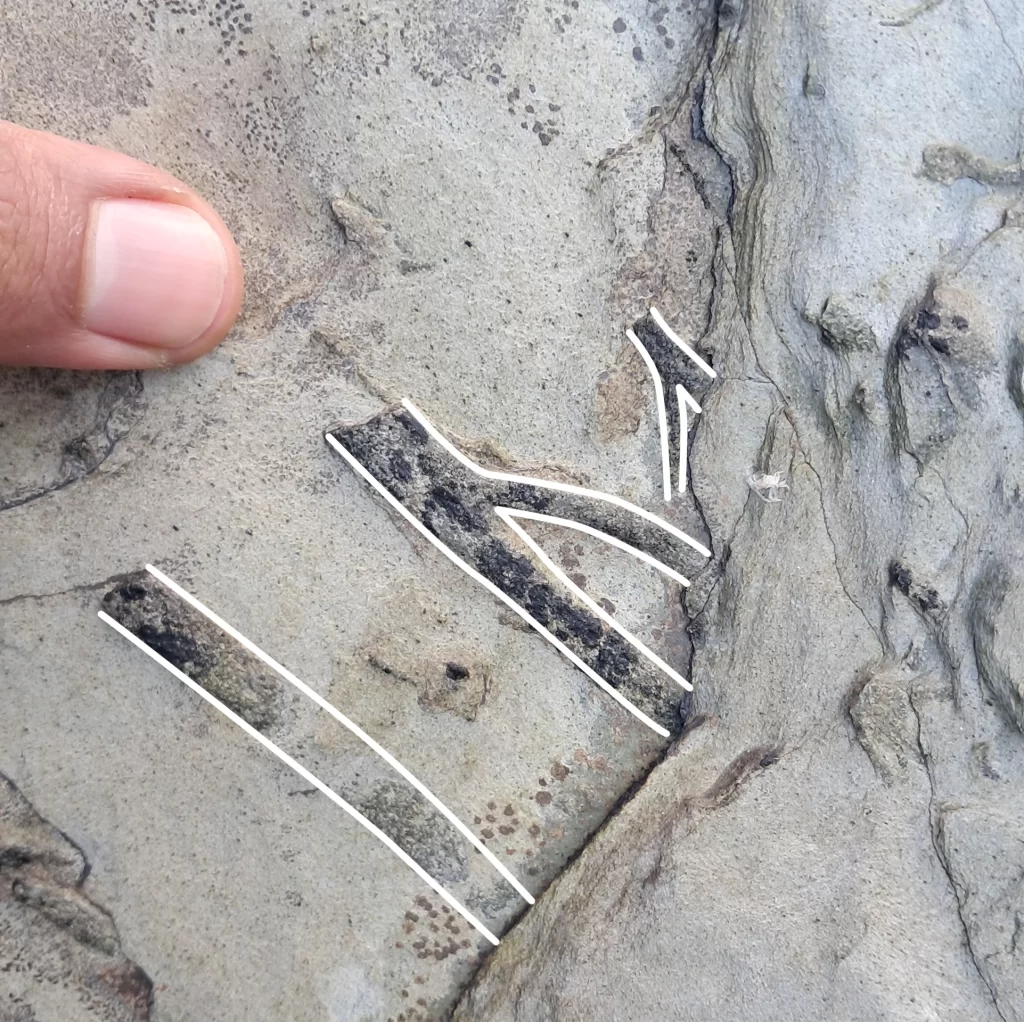
Tracing along the cliff, one finds layers and layers of lake, river and sandy deposits. But squeezed in among these beautiful layers are dark fragments of lifeforms that once used to dominate around Cork during this time.
Plants not only grew to large sizes during the Devonian; they also gained roots. Roots are an undeniably important feature as they have helped plants colonise and modify our planet’s surface. In the early years of plant history on Earth, close proximity to bodies of water was required to survive. Yet this could be a problematic setup as changing water levels could easily destroy a plant.
With the development of roots, a plant is able to dig into the bedrock and extract water further away from lakeshores and river banks. And should a flood happen, well, then you’ll have a smaller chance of being washed away.
These layers are from a time where land was being steadily taken over by life. Prior to the Devonian, there was little life out of the oceans and seas. But over the course of a handful of tens of millions of years, plants evolved from small finger-sized sprouts to trees several tens of metres in height.
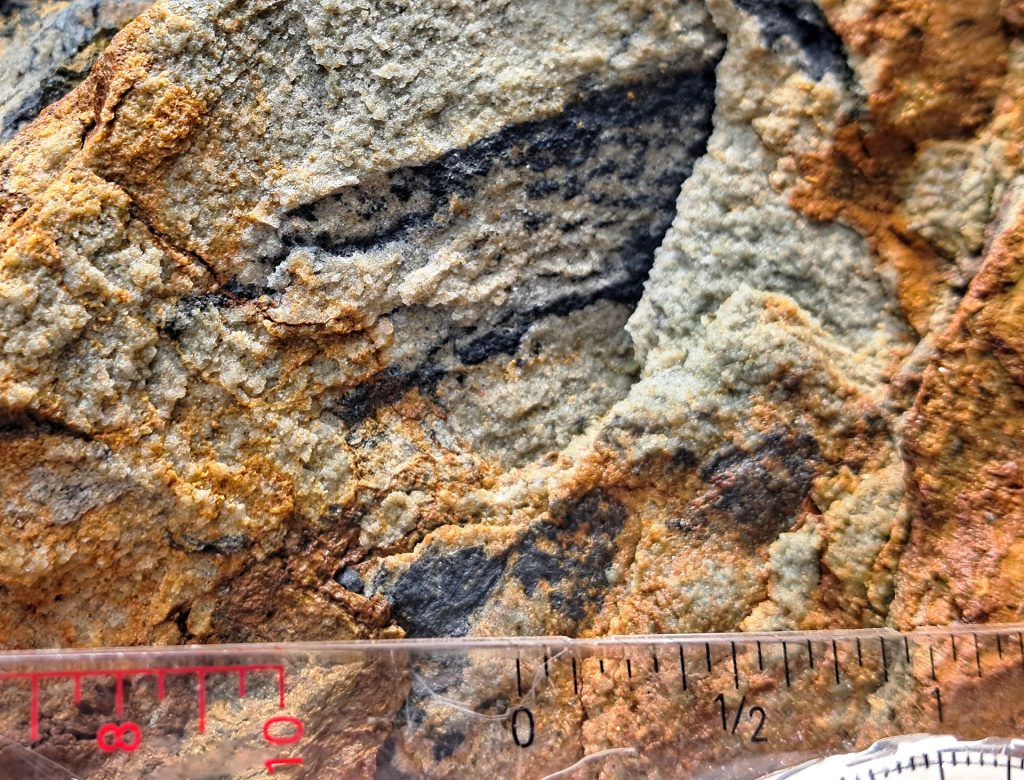
Close-up on a Devonian plant fossil from Toe Head.
The sedimentary rocks, that the fossils are layered in, appear to be river channels with poorly sorted sediment grains. One interpretation could be that a flood swept away decomposing wood and buried these fragments in a river channel. Who knows? It’s a long time ago these things happened after all.
But one thing that’s important to know is that these fossils are from a time where plants had just started becoming successful. For instance, the Old Red Sandstone in the UK harbours the oldest known fossils of a forest in the world at about 390 million years of age (20-30 million years before the rocks at Toe Head).
There’s a lot we don’t know about life during this time simply because fossils from this age and older are more than often poorly preserved. Moreover, sediments laid on land rarely stay put and their potential for storing fossil features are not optimal.
Yet, across many horizons of the ORS in Cork, there are plenty of trace fossils to be found too. These are marks in the sediments from animals burrowing or pushing their way through mud, sand and clay. Perhaps these animals lived in these burrows or just ploughed through to feed?
I’ll write a bit more about the rock suite in other posts, but for now, I’ll recommend that you keep an eye out for any curious details in Cork’s rocks. There’s loads to be discovered concerning the Old Red Sandstone.
Exciting!
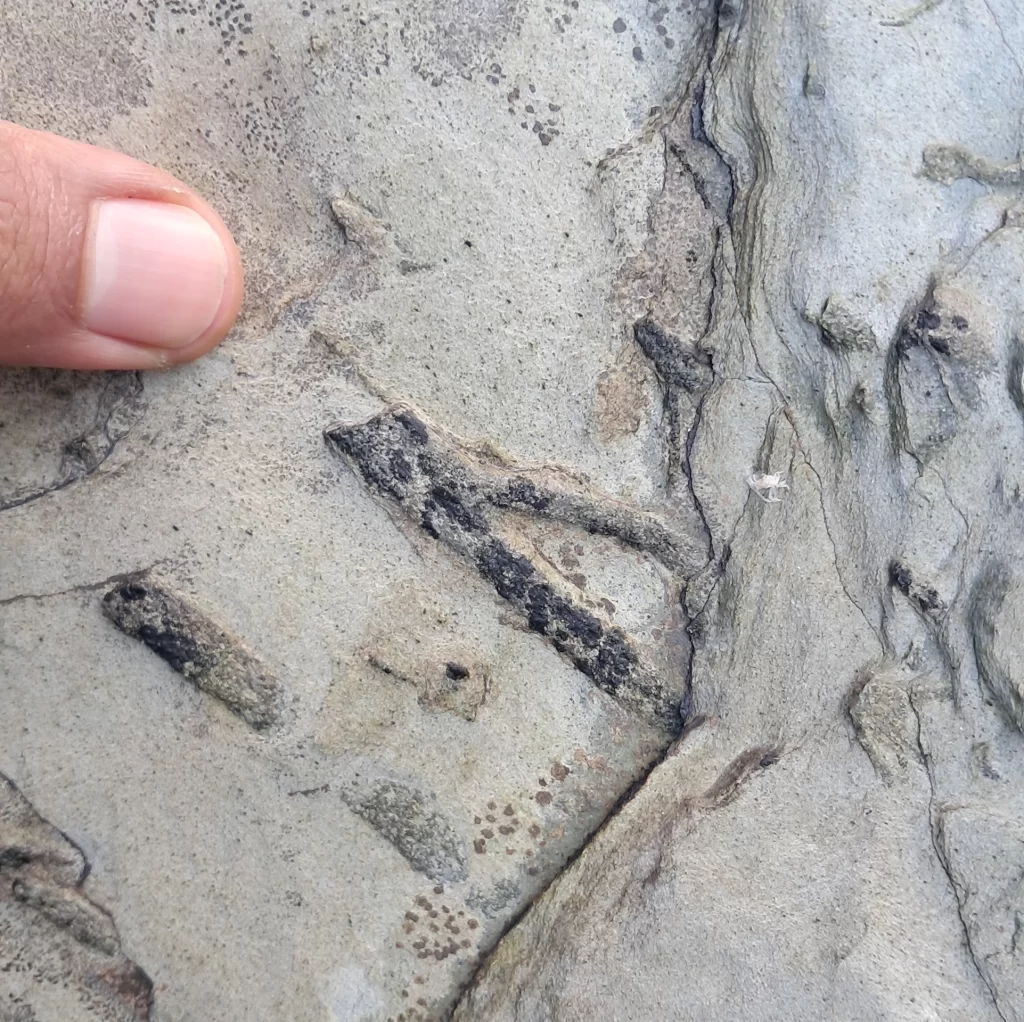
Trace fossils from Sherkin Island. 360 million years ago small animals burrowed in the continental sands of the Devonian.
References:
Connery, T. 1999. Plant fossils from the Late Devonian Toe Head Sandstone Formation, West Cork, Ireland: a preliminary report. Acta Palaeobot. Suppl. 2: PP. 21–25.
Meere, P., MacCarthy, I., Reavy, J., Allen, A. & Higgs, K. Geology of Ireland: a field guide. The Collins Press, Cork, Ireland (2013).
https://www.cam.ac.uk/stories/earths-earliest-forest-somerset
https://www.gsi.ie/en-ie/data-and-maps/Pages/default.aspx
https://www.gsi.ie/en-ie/publications/Pages/The-Geological-Heritage-of-County-Cork.aspx
A bit about me
Thomas Heising here!
I’m originally from Denmark, but now living in Cork, Ireland and working with visual science communication. You may have found this post because you were curious about this page or wanted to know more about the topic at hand – in any case: welcome.
There are more writings, visuals and videos around here about geology, the weather, our planet, Ireland, Denmark and other things that interest me.