A case for Zambian clay huts
Cloud school
Do you know that feeling of realising that a place you visited, had greater significance than you realised it had at the time that you visited it? And when you realise this, you wish you could go back and appreciate it even more? Perhaps gather a few more pictures…
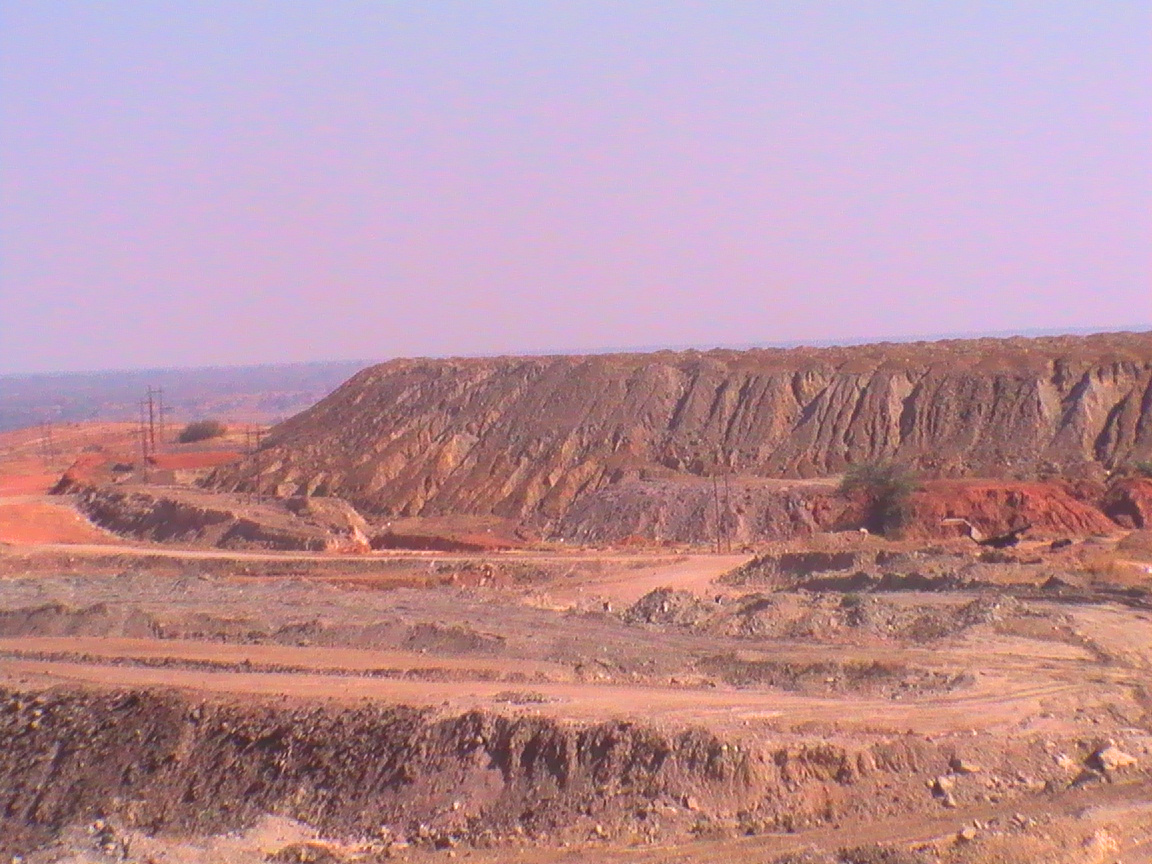
For me, one such place was the mining district of Chingola in the Copperbelt Province in Zambia. When looking at a map of the Central African country, you’ll see an odd concentration of cities in the northwestern stretches of the country. The cities Chililabombwe, Chingola, Kalulushi, Kitwe, Luanshya and Mufulira largely formed and grew from a lucrative industry in the area.
In the decades after the official decolonisation of Zambia, the mining industries went from nationalised to privatised and now non-Zambian companies have the largest stakes in the copper resources of Zambia.
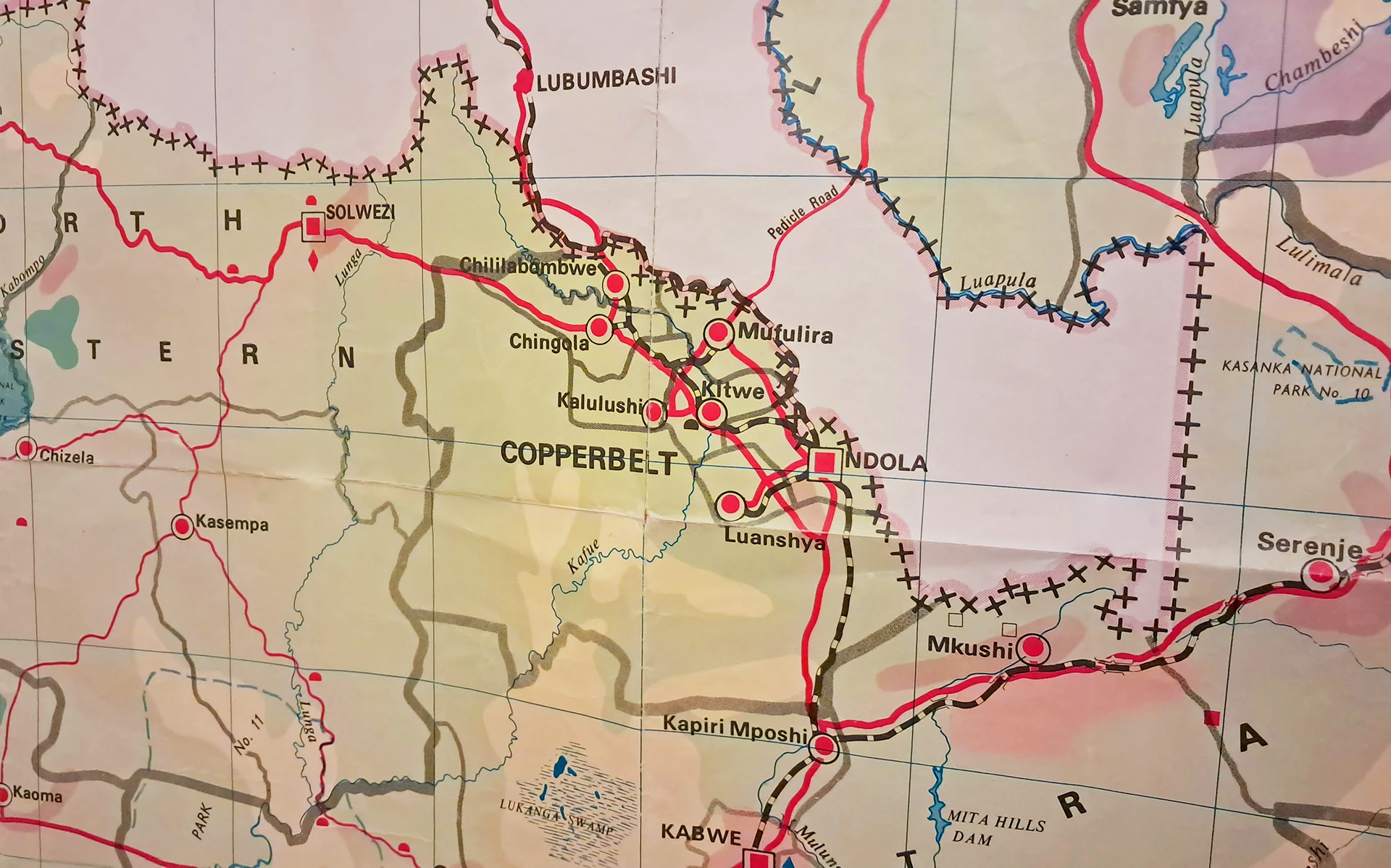
Generalised 1988 map of economic earth resources in Zambia.
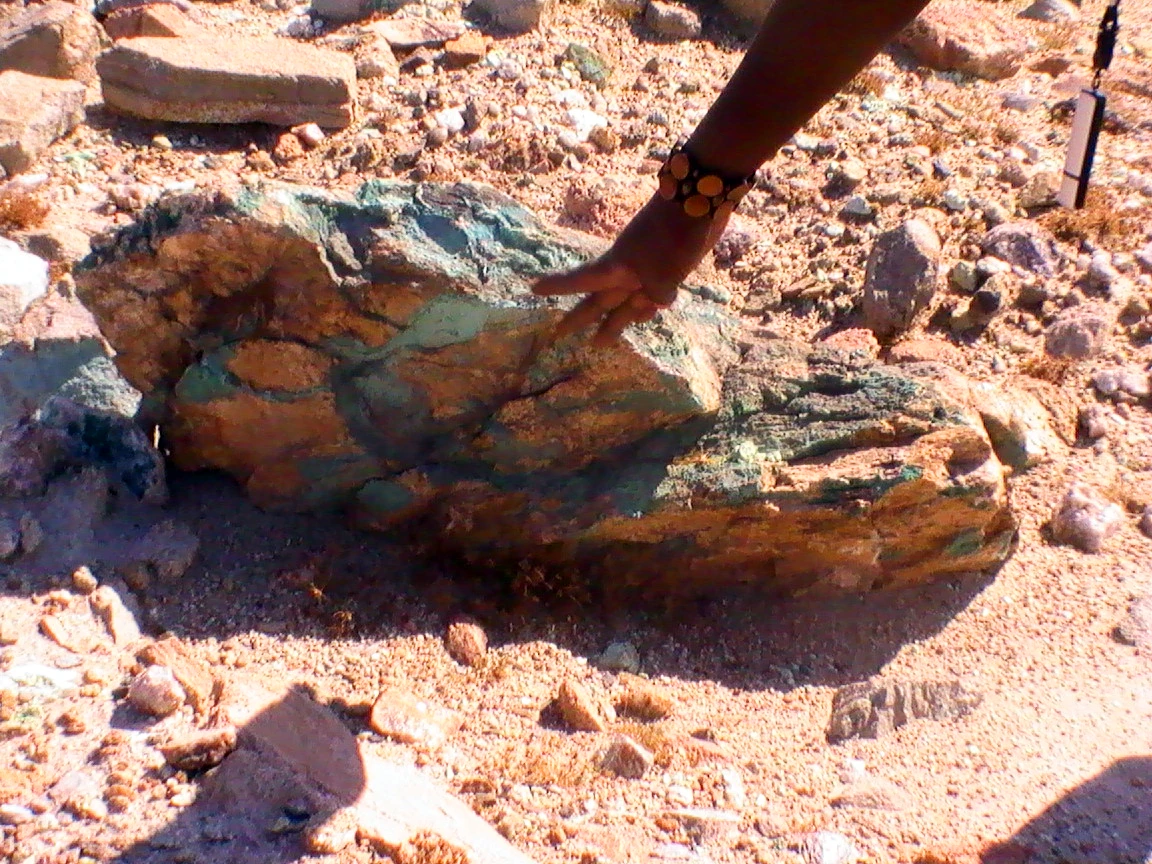
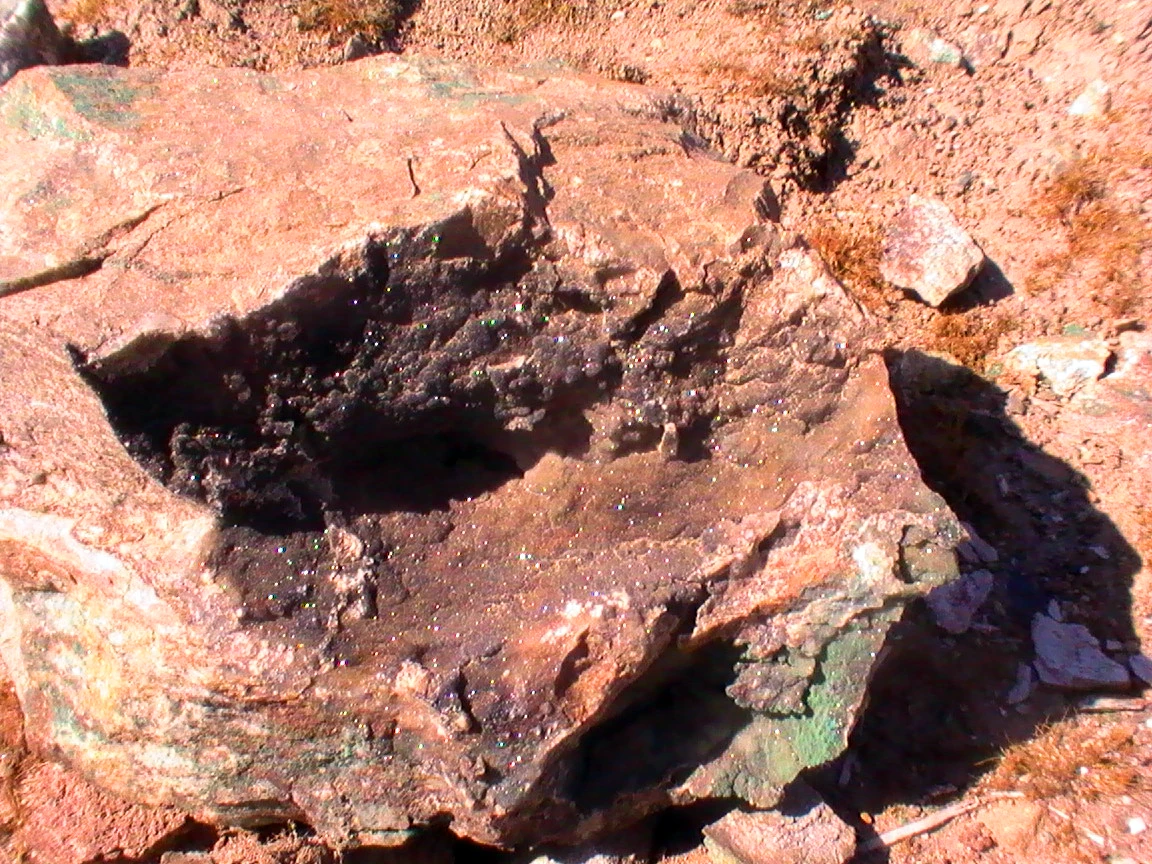
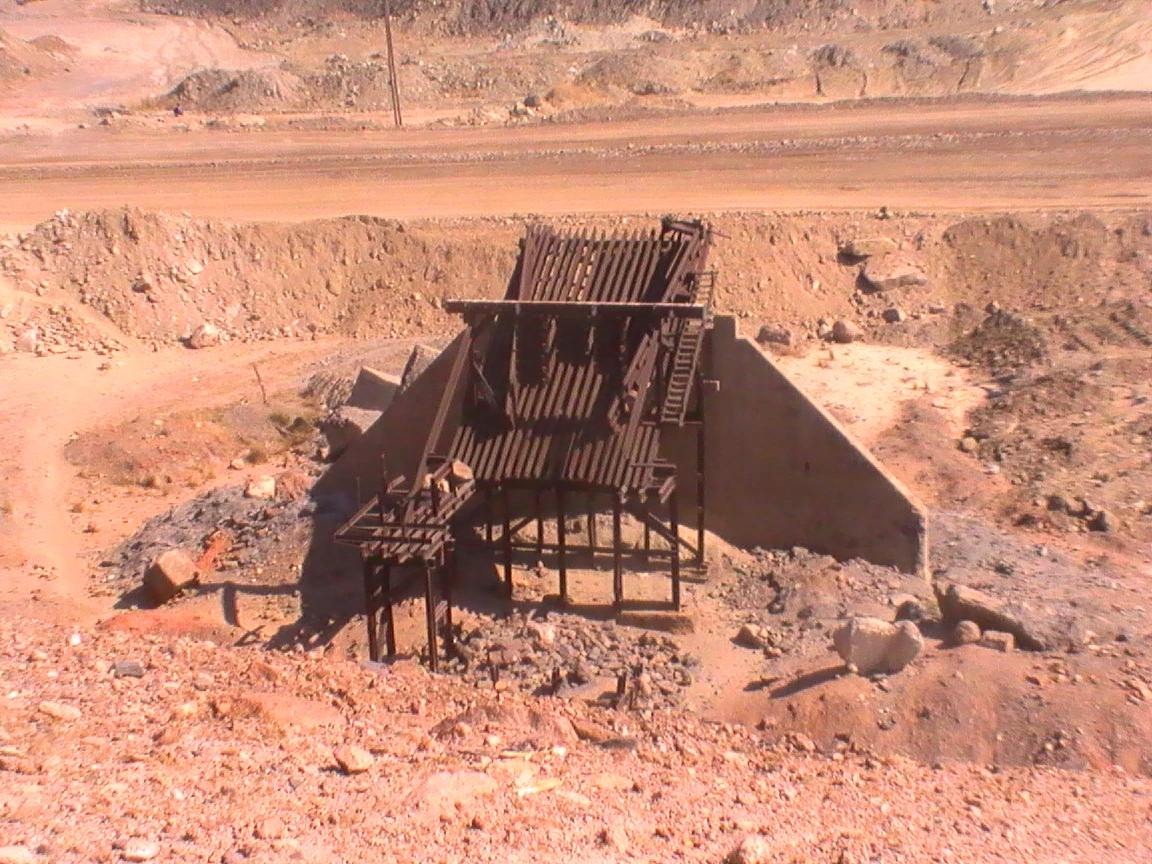
In 2008, I visited two open pit mines in the area; gaining access through a family member who worked in the area at the time. My camcorder could only grab stills at 1024px in width and so the pictures are quite poor in resolution. Panoramas were the best I could do.
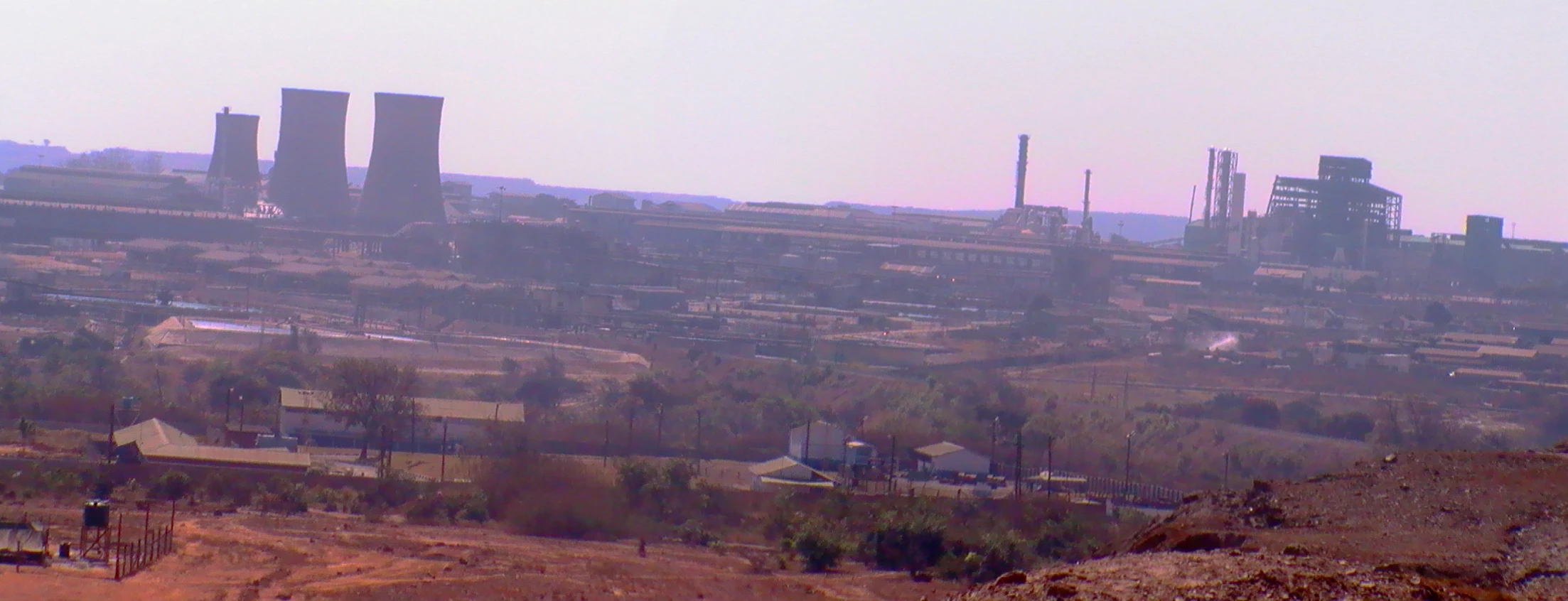
I’m writing this post in 2026 where the global demand for copper is rising in conjunction with a global race for technological dominance, data centres being built en masse and an increase in colonial violence. As Zambia is one the world’s top producers of copper, it’s attracting investors from east and west, becoming part of the planetary strife for power and self-destruction.
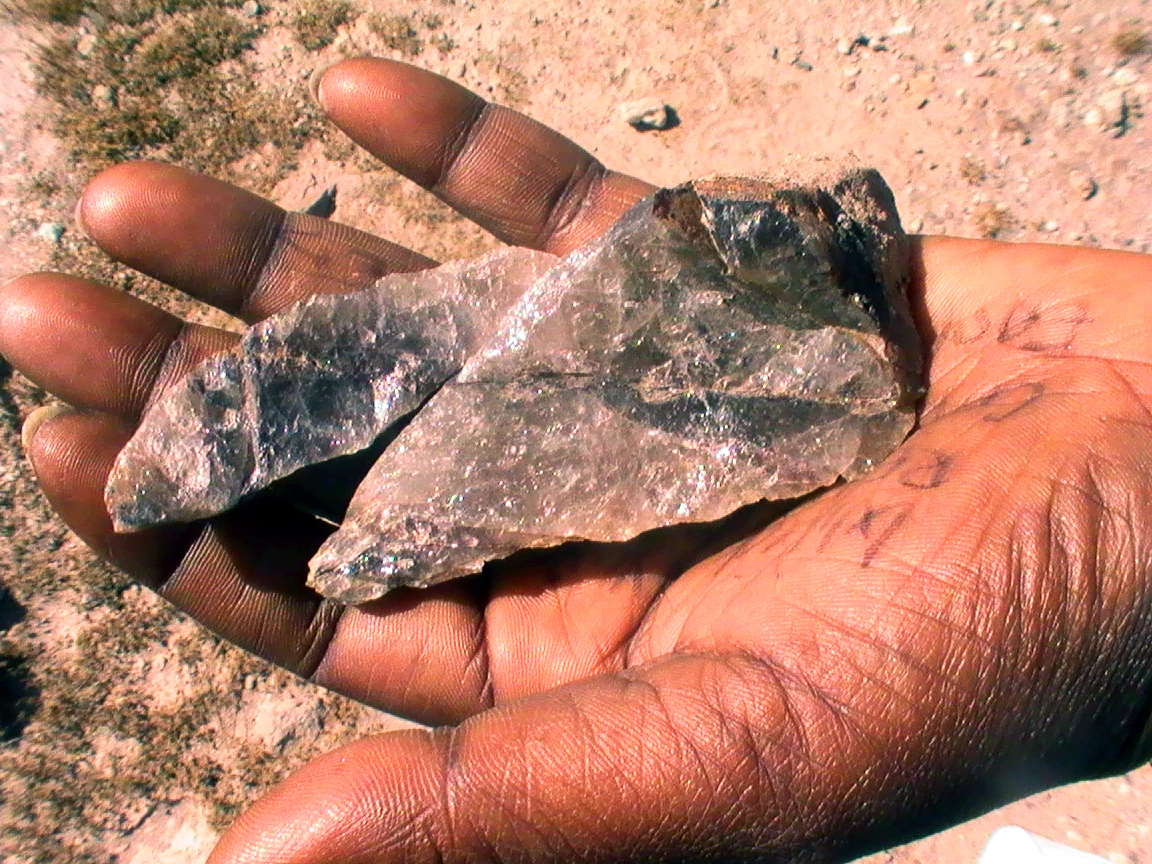
The empires of the world need technology for AI-driven warfare, Big Tech-bros need infrastructure for their extinction-driven AI-utopia and we, the consumers, need cheap technology to feel relevant.
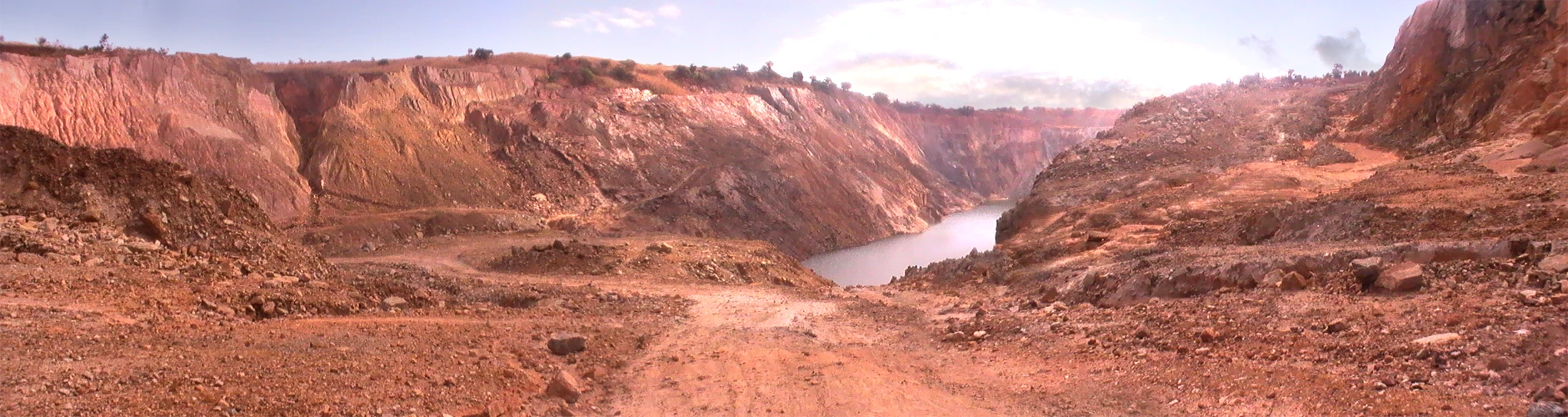
Back in 2008 and still in 2026, there were and is very little regard for the pollution emitted from these extractive industries.
Acids into streams, poor air quality through sulphur dioxide emissions, ruined farmlands, noise pollution and poisoned drinking waters are some of the overwhelming effects impacting people in the region. For some of my family members around here, these issues are part of life. Some of their friends are literally living tens of metres from steep mounts of earth material and mining waste products.
It’s widely accepted, though. African societies and lands have long been used as dumping grounds for economic activities of wealthier countries.
Even from a Northern European perspective, it’s not hard to imagine this sort of cynicism when we’re experiencing the same in Europe at an increasing extent. Here the “simplifications” of environmental legislation and policies are efforts by our institutions to curb limitations of industries and fossil fuel industries as we’re undergoing profit-driven corporate influence; at the behest of people’s well-being.
It’s easy to blame the big corporates solely, but as I learned during my studies: everyone contributes to this in some way. Residents and workers in these areas aren’t just passive actors subjected to capitalist interests. They accept and sometimes desire the circumstances, but at other times, they do resist them.
Moreover, while we in the economically wealthier parts of the world sense that these circumstances are bad locally and globally, we devote our money and interests to these every day.
Other reasons relate to the desires of human supremacy and exploitation. A constant problem with economic growth and the creation of industries (especially extractive ones) is the dependency on these followed by the socioeconomic collapse taking place when market fluctuations and redundancy kicks in.
I wrote about Corporate Social Responsibility back during my degree in African Studies. To put it simply, there’s not much sense in a company building local schools, when the students are in turn poisoned by the activities of the same company. As much as we people want to believe the opposite; money can’t fix everything.
On a small positive note, copper is a visually attractive element when it appears naturally as malachite minerals. Today, I can explore exposures of copper mineralisation from disused mines in Allihies in West Cork with much less trepidation.
References:
A. E. Annels;. 1984. The geotectonic environment of Zambian copper-cobalt mineralization. Journal of the Geological Society. Vol. 141 (2). PP. 279–289. DOI: https://doi.org/10.1144/gsjgs.141.2.0279
Kolala, C. & Umar B. B. 2019. National benefits, local costs? Local residents’ views on environmental and social effects of large-scale mining in Chingola, Zambia. Natural Resources Forum, Vol. 43, PP. 205–217. DOI: 10.1111/1477-8947.12182