From Kamchatka to Kerry!
Geology nugget
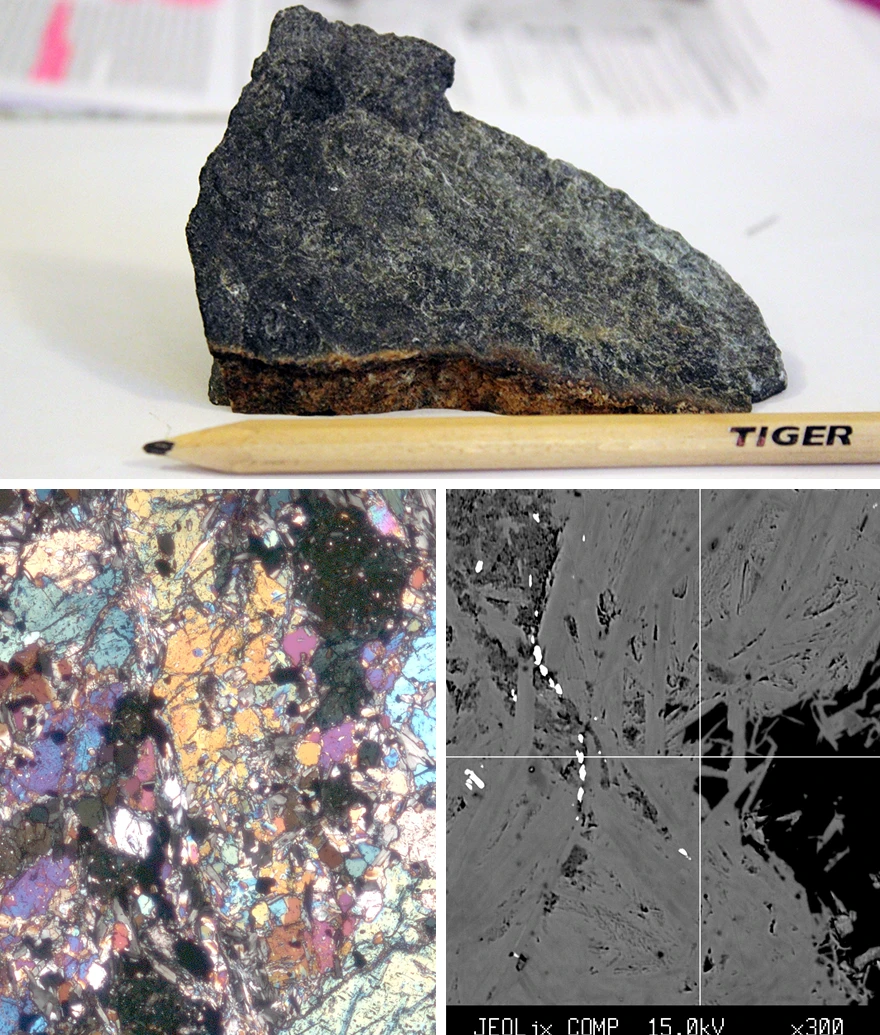
I’ve stumbled upon a few websites claiming that the oldest rocks in Europe are in Scotland. Perhaps people forget that Kalaallit Nunaat (or in English: Greenland) is politically part of Europe.
In any case, while ‘Europe’ as a concept is less than two thousand years old, much of the bedrock of Kalaallit Nunaat is extremely ancient with rocks from the Isua Greenstone Belt being up to 3.8 billion years old. The Lewisian Gneisses of Scotland (often said to be the oldest rocks of Europe) would not come into existence until 3 billion years ago (granted that’s still impressively and unfathomably old).
I was extremely fortunate to study some of the rocks from Isua during my time at the University of Copenhagen, though I never visited the area. The incredible thing about many of the rock exposures from Isua is that they’re relatively unaltered compared to rocks from similar ages around the world. Now, “relatively unaltered” here means that they still have been buried, heated, compressed and chemically altered for billions of years after they formed.
But take for example the Lewisian gneisses. These show very high-temperature and high-pressure alteration throughout, and thus, it’s extremely hard to derive any knowledge about early conditions on Earth from these rocks.
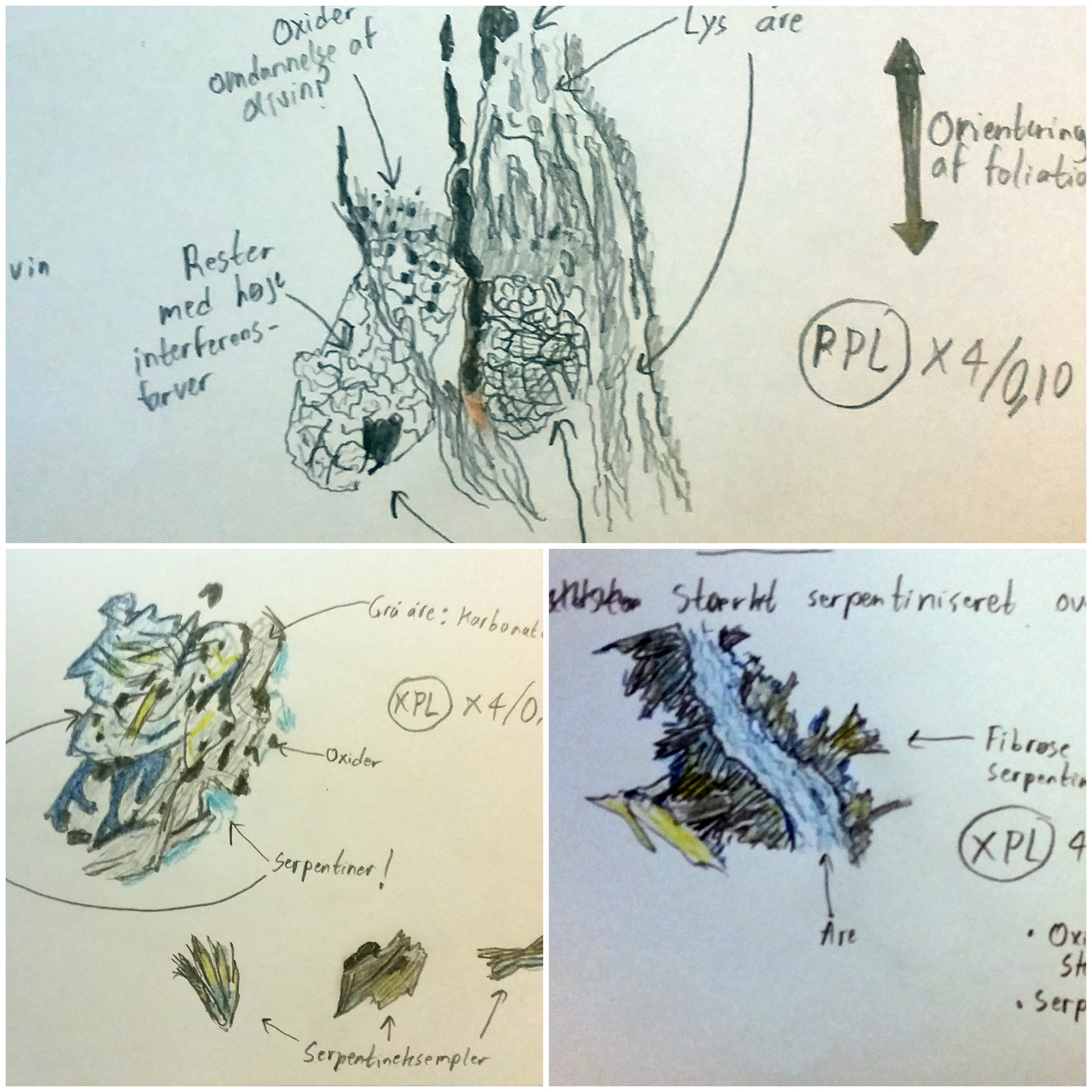
However, Isua’s rocks, for example the serpentinite I studied in the image above, have intrigued researchers as they may tell us about the conditions half a billion years after our planet formed.
The research is controversial though. A large problem lies in how geology relies on modern natural processes to deduce how past processes might’ve occurred. But this is so far back in time that the Earth’s interior temperature was much higher than it is today. Researchers have tried to understand more about the tectonic processes back 3.8 billion years ago, but it’s hard to arrive at any solid conclusions.
Moreover, the Isua Belt has also been scoured for signs of life. The origins of the serpentinites have puzzled researchers and led to different theories as to how these came about.
Serpentinite rock is after all ocean crust (made of basaltic rocks) that has been modified chemically and structurally by water, typically under tectonic forces. However, they also form in hydrothermal vents on the seafloor. Such hydrothermal vents have been widely speculated to be places where early life would’ve developed from.
But nothing is sure.
Except for the unsightliness of my handwriting.
References:
1. https://www.nhm.ac.uk/discover/the-search-for-the-uks-oldest-rock-in-the-outer-hebrides.html
2. Allwood A. C., 2018. Reassessing evidence of life in 3,700-million-year-old rocks of Greenland. Nature. Volume 563(7730). p. 241-244. doi: 10.1038/s41586-018-0610-4.
3. https://www.britannica.com/story/where-does-the-name-europe-come-from
4. D’Andres, J., et al., 2019. Halogens in serpentinites from the Isua supracrustal belt, Greenland: An Eoarchean seawater signature and biomass proxy? Geochimica et Cosmochimica Acta. Volume 262,2019, p. 31-59. doi: 10.1016/j.gca.2019.07.017.
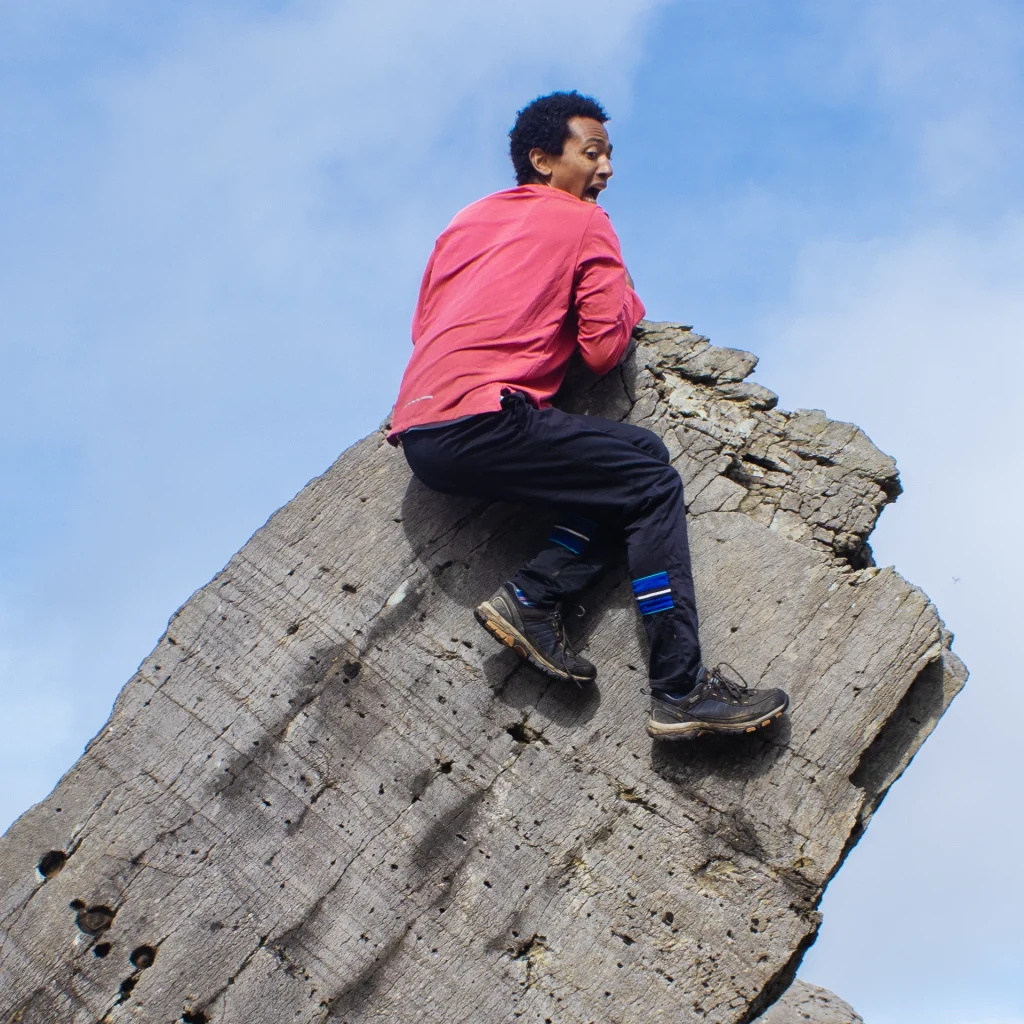
Thomas Heising here!
I’m originally from Denmark, but now living in Cork, Ireland and working with visual science communication. You may have found this post because you were curious about this page or wanted to know more about the topic at hand – in any case: welcome.
There are more writings, visuals and videos around here about geology, the weather, our planet, Ireland, Denmark and other things that interest me.