Frost is weird
Cloud school
The Beara-peninsula harbours one of the most adored parts of County Cork: a small coastal valley with the villages Allihies and Ballydonegan. The area, referred to overall as Allihies, is one where geology and human history intertwine.
Many thanks to my friend Mike for generously taking us both out for a trip there. These pictures and recordings are from my morning run around the place.
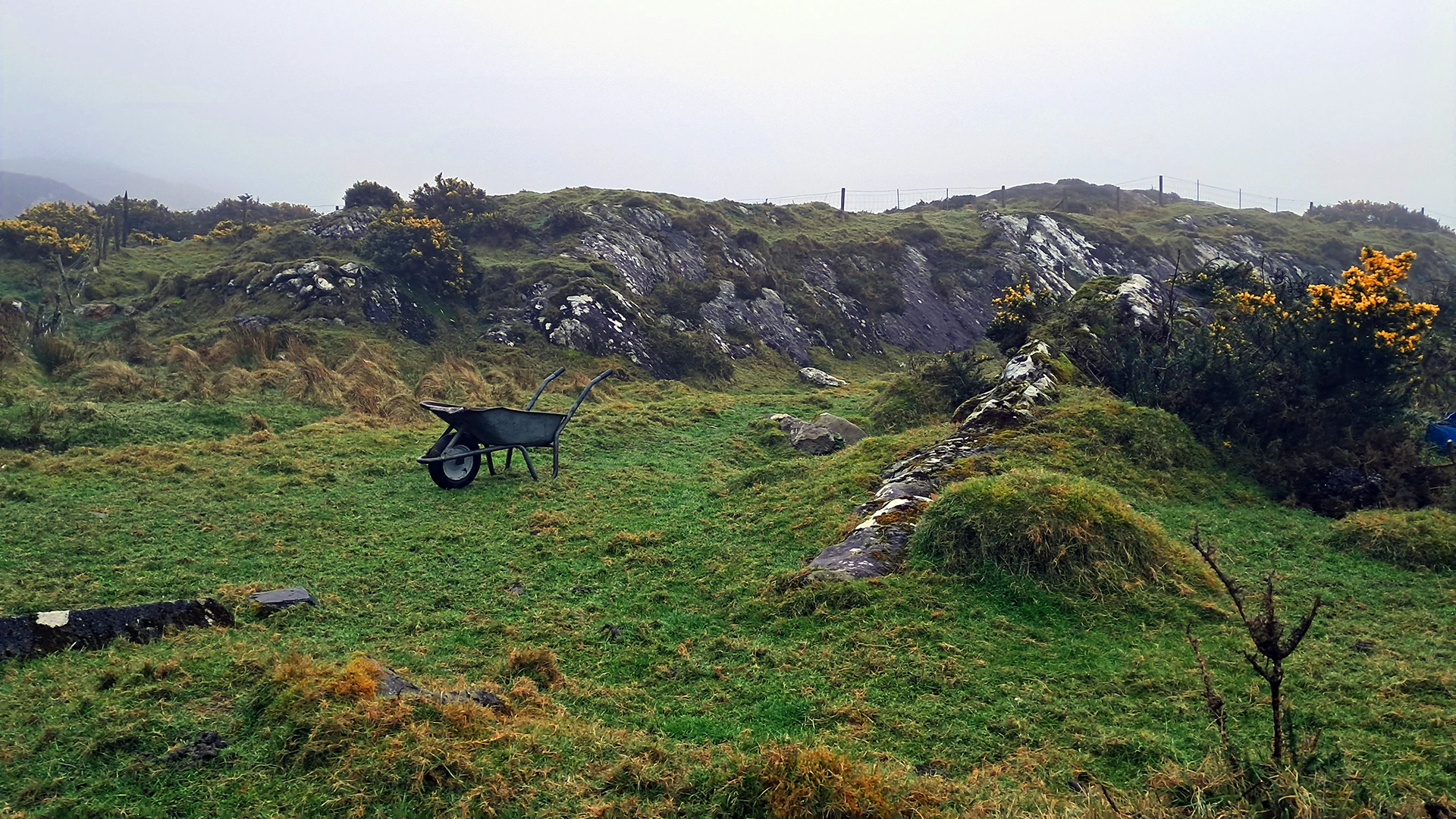
The Old Red Sandstone of West Cork became a source for copper ores, after it was shortened, folded and heated by powerful continental collisions. These collisions caused mineral-rich fluids to “bleed” from the solid rocks into faults and spaces created as the rock layers changed in structure.
When these regions cooled, the elements and minerals crystallised, leaving behind impressive and beautiful quartz veins. It is in these that much of the copper mineralised as well.
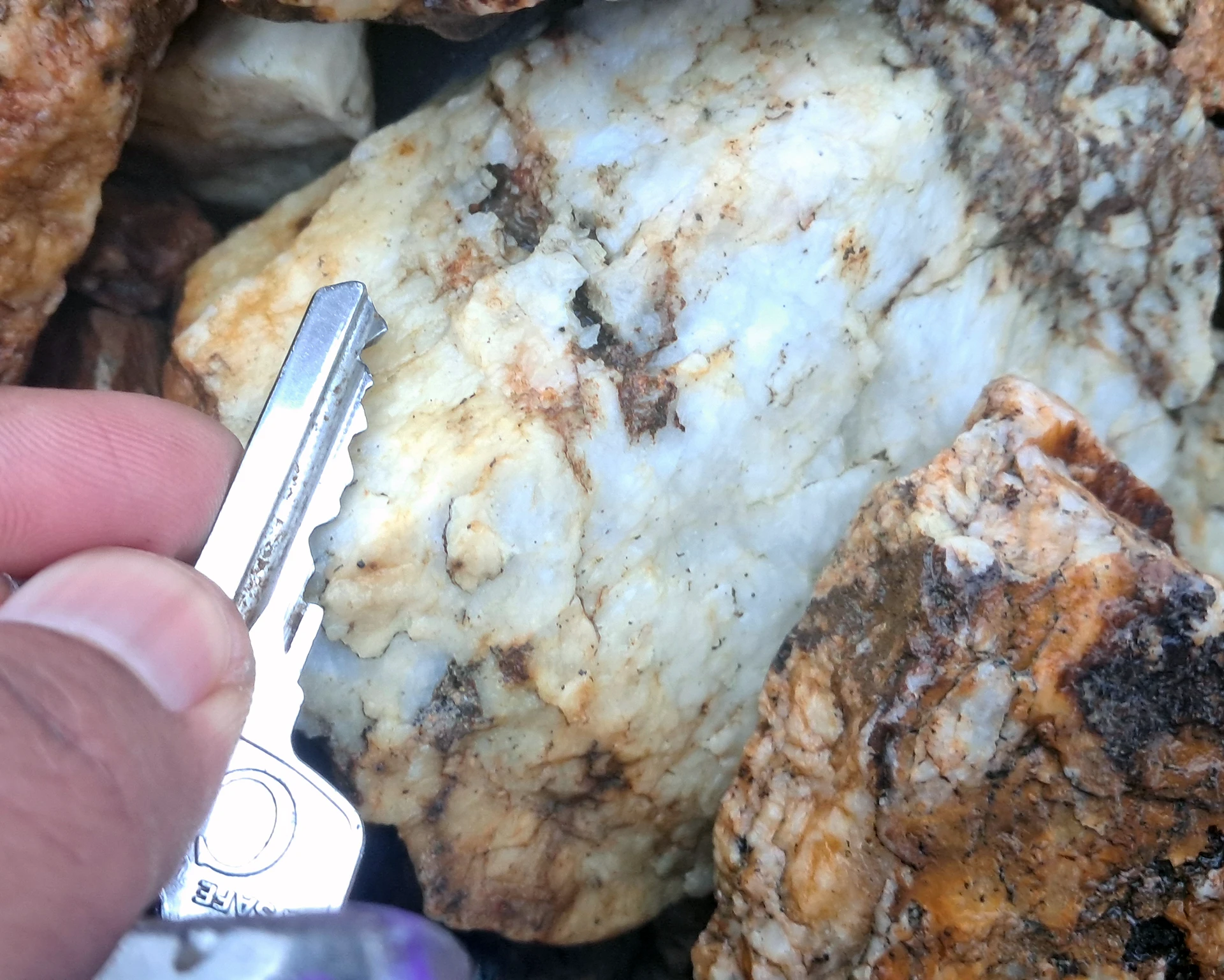
Quartz veins in Old Red Sandstone-rocks are key hosts for West Cork’s copper.
Over 300 million years later, after this onslaught of landmasses, humans came about and found utility in some of the minerals that can be found here. The mining of copper globally goes back thousands of years, and we’ve only become even more dependent on it.
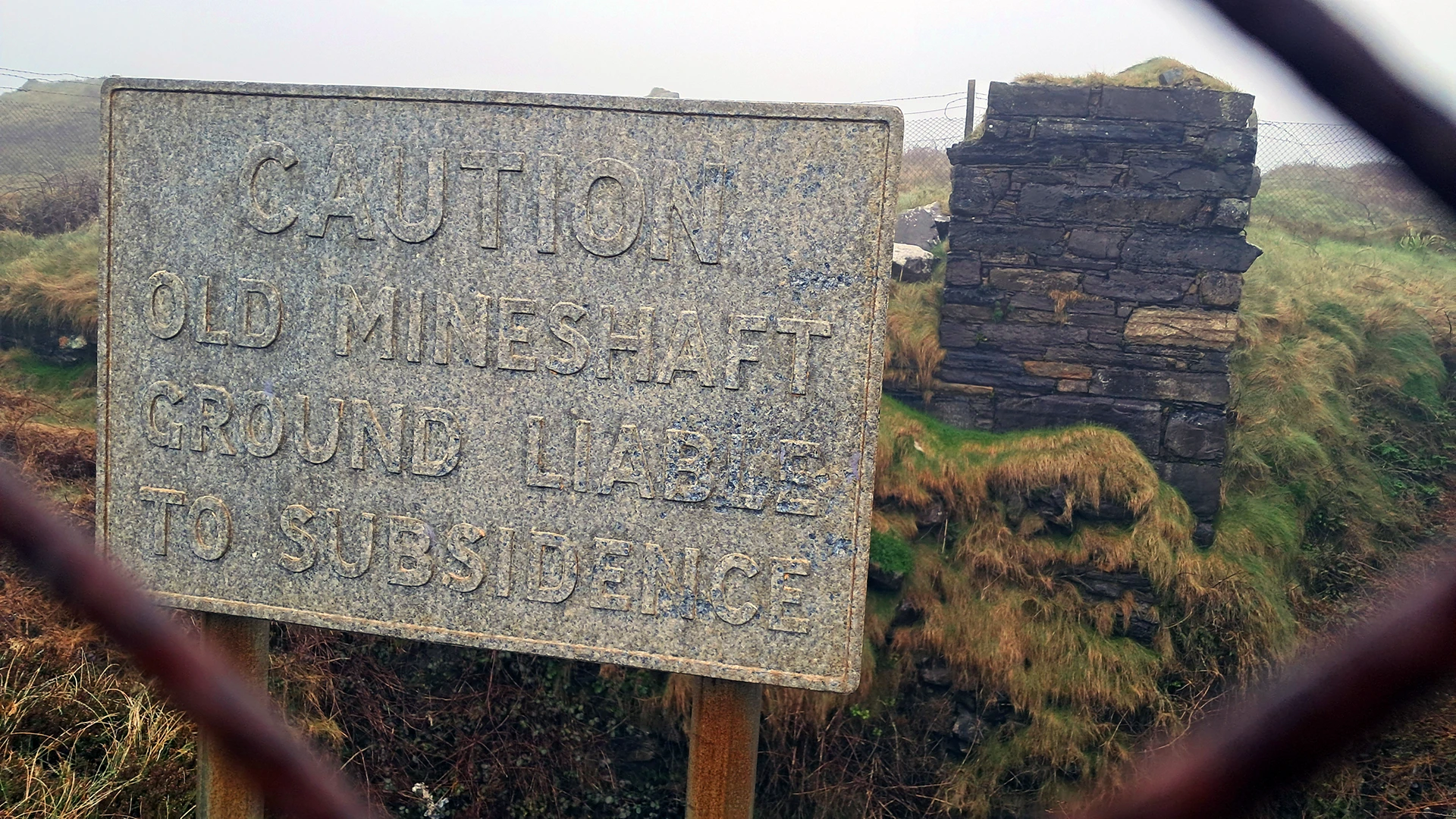
Today, we use the metal to develop a range of vital components in machinery, electricity infrastructure, digital technology, coins – meaning just about anything that gives you and me value in life. Demand has also risen considerably in recent years due to destructive and murderous growth in tech and warfare sectors.
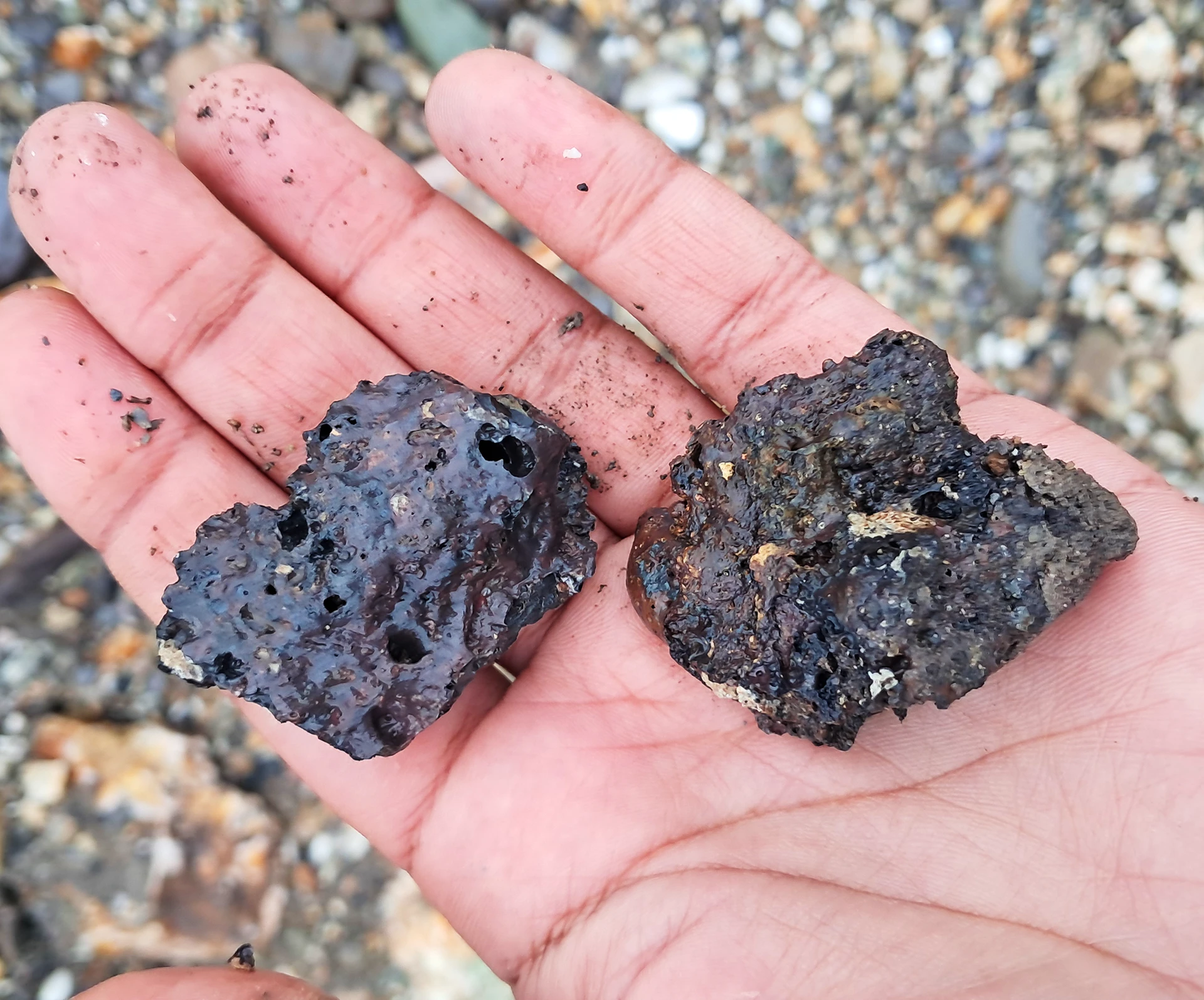
Iron formations from the Old Red Sandstone sometimes appear as these gnarly nuggets and are common throughout Allihies.
The operations at Allihies started in the 1810s, with many closures and reopenings along the way, before final attempts at extracting viable amounts ended in the 1960s. Copper mining in Allihies was short-lived, but nevertheless; a well-told part of Cork’s history.
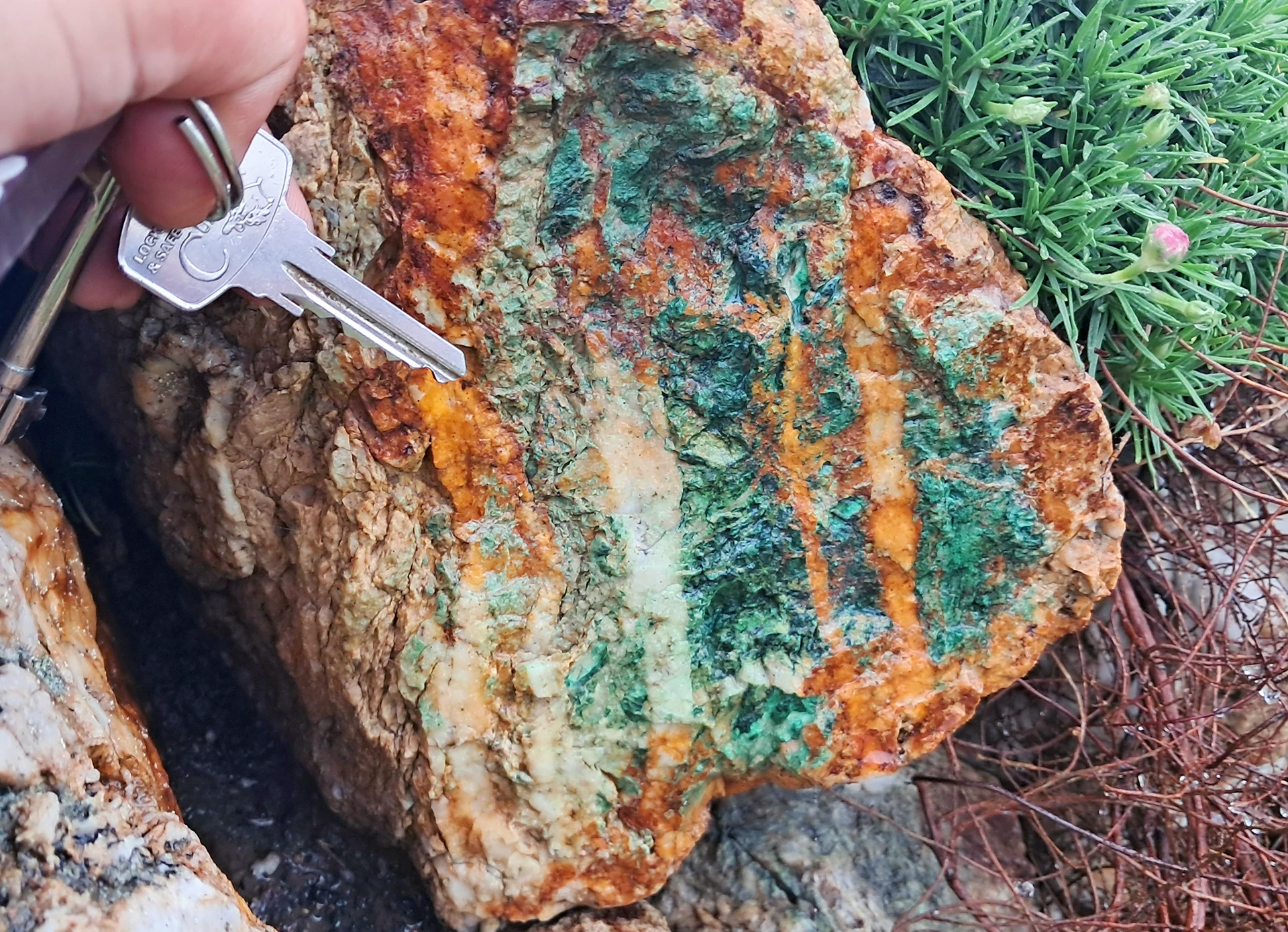
Beyond Allihies, the last copper mines I visited were active. Yet it’s surreal to witness extractive human activities after they’ve ceased as in Allihies. Disused quarries become metaphorical field-trip “gold” for us geologists and geo-enthusiasts as they provide insightful dissections into the crust of our planet.
These sites also hint that extractive human industries will at some point cease. Either because we’ve taken enough, due to environmental concerns or because we’ve lost interest.
And certainly one day, simply because we won’t be here anymore to extract tonnes of elements from the ground.
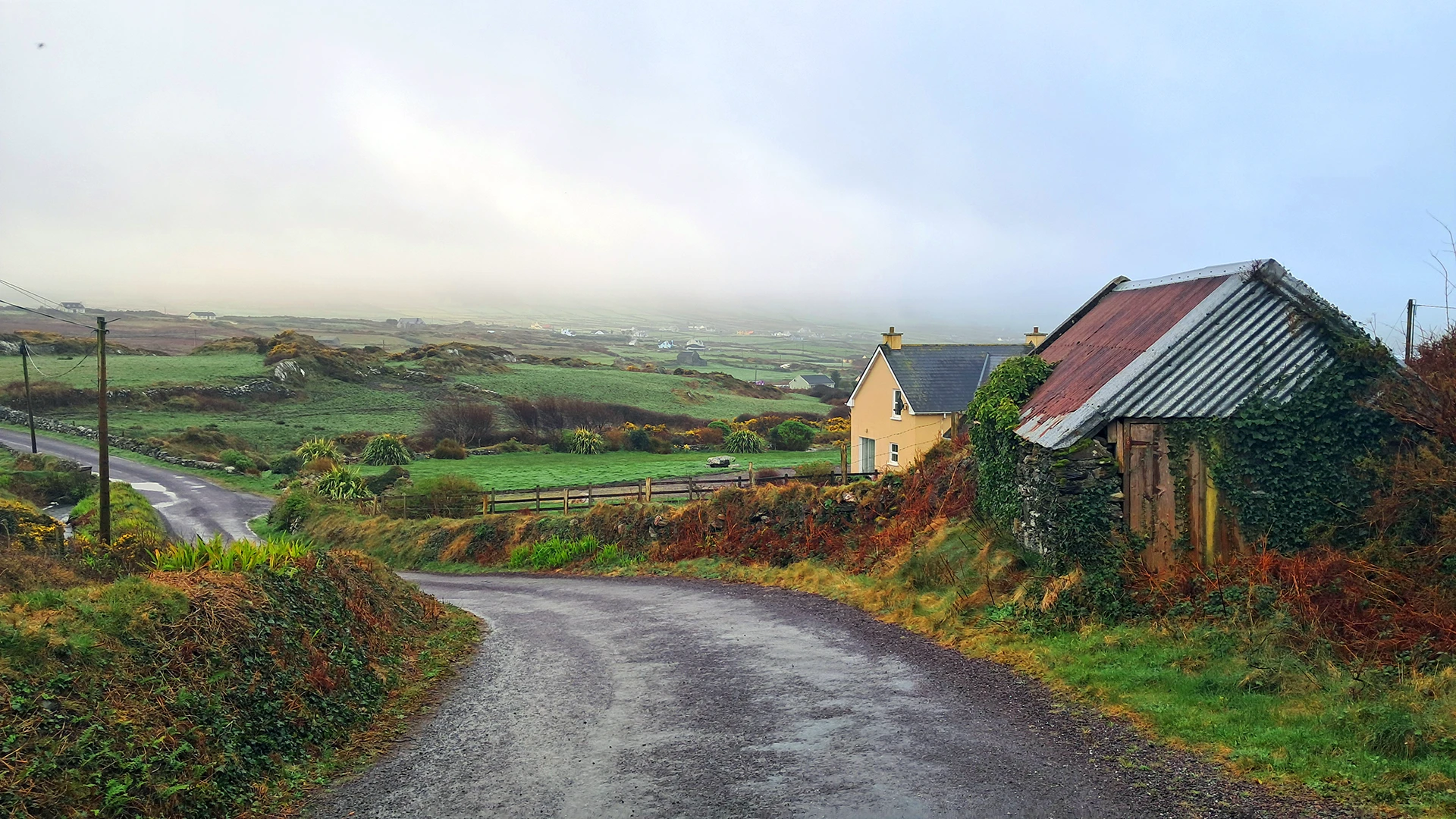
Beyond all the inanimate things, there were also decent signs of life on my trip here with Mike. Ceaseless singing by the lark filled the air by the coast, while sparrows and wrens chirped passionately closer to the main street of the village.
I recorded some of these with my phone. The now widely used phone app Merlin Bird ID was used to identify the wren, while I credit my father with having taught me how to point out the last two dinosaurs.
References:
Lang, J., Meere, P. A., Unitt, R. P., Johnson S. C., Solferino, G., Torremans K., Selby, D. & Kyne, R.. 2020. The vein-hosted copper deposits of the Allihies mining area, SW Ireland; a new structural and chronological evaluation. Vol. 177. PP. 671–685. DOI: 10.1144/jgs2019-154
O Mahony, C. 1987. Copper-mining at Allihies, Co. Cork. Journal of the Cork Historical and Archaeological Society. Vol. 92, No. 251, PP. 71-84.
https://mwi.westpoint.edu/as-americas-military-rearms-it-needs-minerals-and-lots-of-them/
https://www.spglobal.com/en/research-insights/special-reports/copper-in-the-age-of-ai
Thomas Heising here!
I’m originally from Denmark, but now living in Cork, Ireland and working with visual science communication. You may have found this post because you were curious about this page or wanted to know more about the topic at hand – in any case: welcome.
There are more writings, visuals and videos around here about geology, the weather, our planet, Ireland, Denmark and other things that interest me.