Thomas Heising

Visual science communication
Back to the Lab

From Kamchatka to Kerry

Geology nugget
2025 | Kerry, Ireland
Quite a time to be alive in so many ways.
 
In case you hadn’t heard: an 8.8 moment magnitude earthquake struck the Kamchatka peninsula the 30th of July 2025 at 23:24:50 UTC[1]. It’s one of the most powerful earthquakes ever recorded, and that’s a tame statement considering just how powerful earthquakes are.
 
I’m partially making this post to show the value in having a wide range of data and tools available from scientific research to the public (even here in Ireland), but also as an appreciation of these ridiculously large events.
 
Anyways… let’s take it back to Ireland. Things might get a bit technical and dramatic, but we will stay grounded!
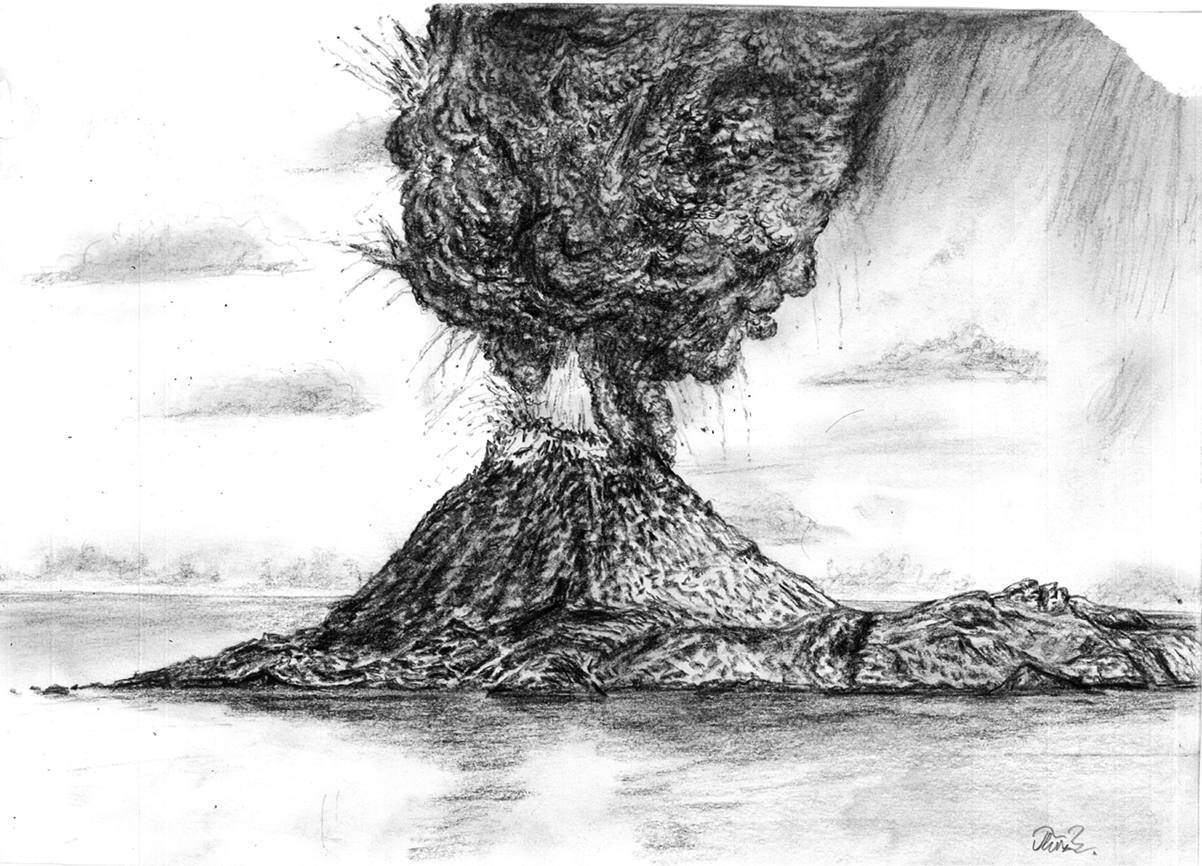
Volcanic eruption - Charcoal sketch - Thomas Heising
Finding fresh data!
I was on Valentia Island in Kerry last weekend and cycled past the Valentia Observatory that lies just outside Cahersiveen. Despite the name, Valentia Observatory is NOT on Valentia Island, but close enough.
 
The station is likely best known for providing the country with weather data through Met Éireann, but it also has earthquake measuring equipment; specifically seismometers[2].
 
Seismometers work by detecting and recording ground movements. These movements might come from a truck passing by a few metres down the road or from a seafloor rupturing thousands of kilometres away.
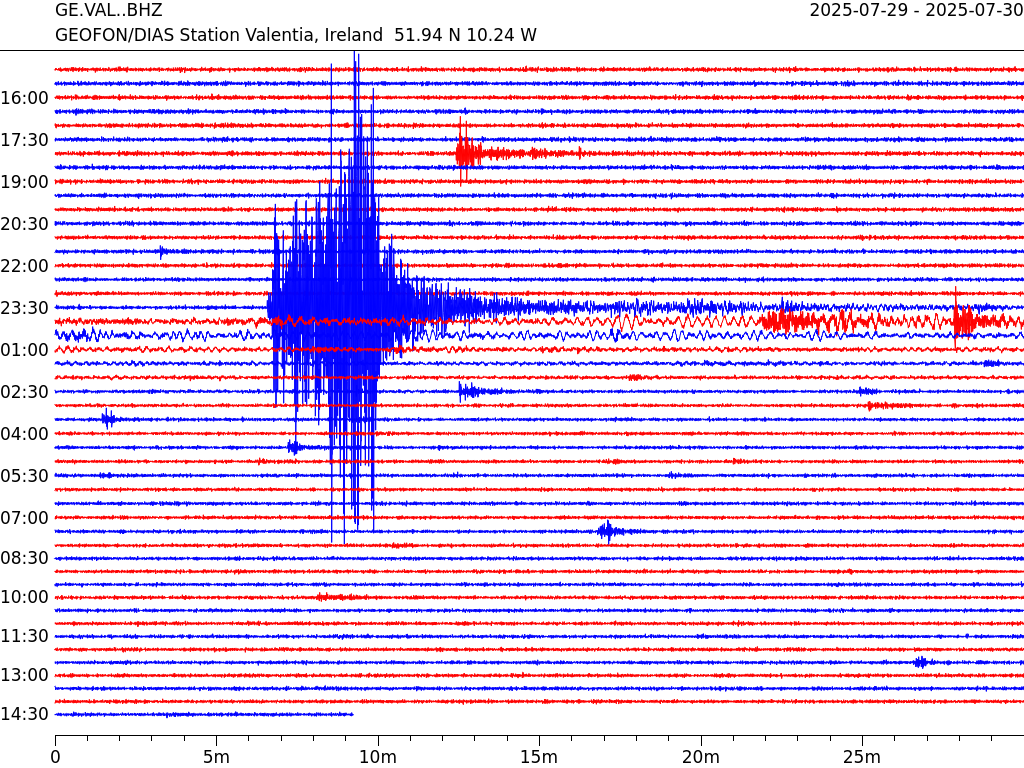
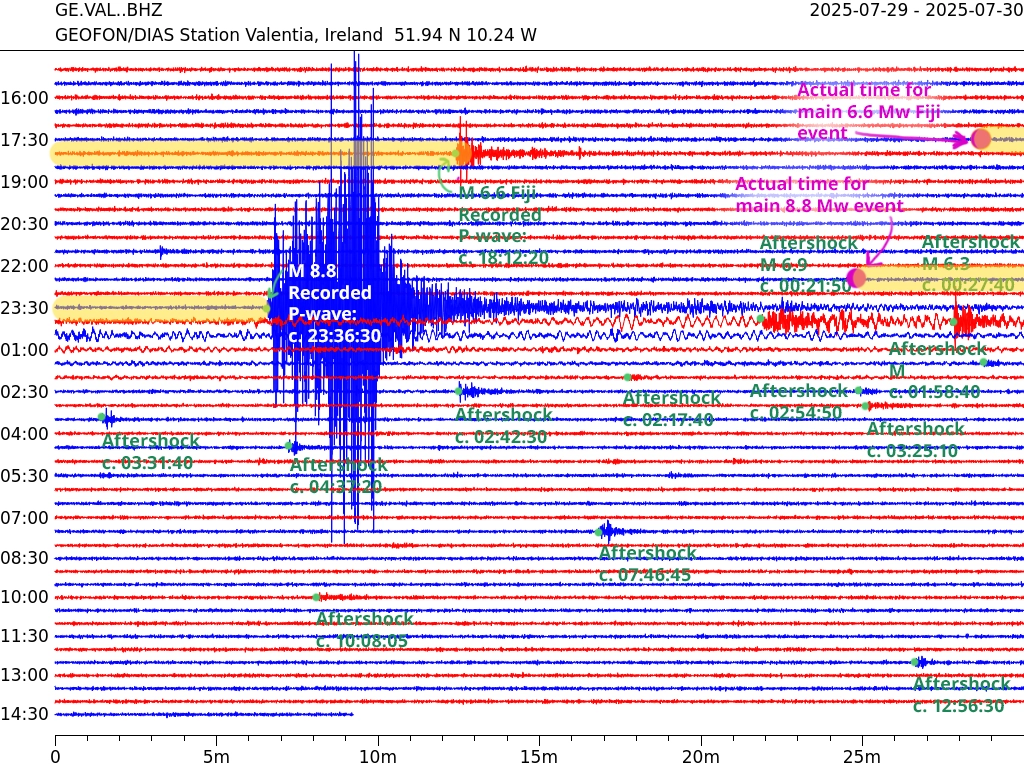
Above is a Valentia Observatory seismogram captured on the 30th of July 2025 and made available through the GFZ Helmholtz-Zentrum für Geoforschung’s GEOFON network. Note that while the website lists the station as closed, it’s very much still recording seismic data[3].
 
So how can an earthquake be registered several of thousands of kilometres away from its origin? That’s because the energy from an earthquake travels across and through the planet as waves. This is reflected in the seismogram above: the lines look like frantic and disorganised waves.
 
But these waves also lose energy as they travel. As such, the further from the earthquake one is, the smaller the waves and the shaking are.
Waves appear everywhere, including, more relevantly in this case, in our crust. Seismic or earthquake waves are basically displacements of crustal material as the energy from an earthquake travels through our planet.
 
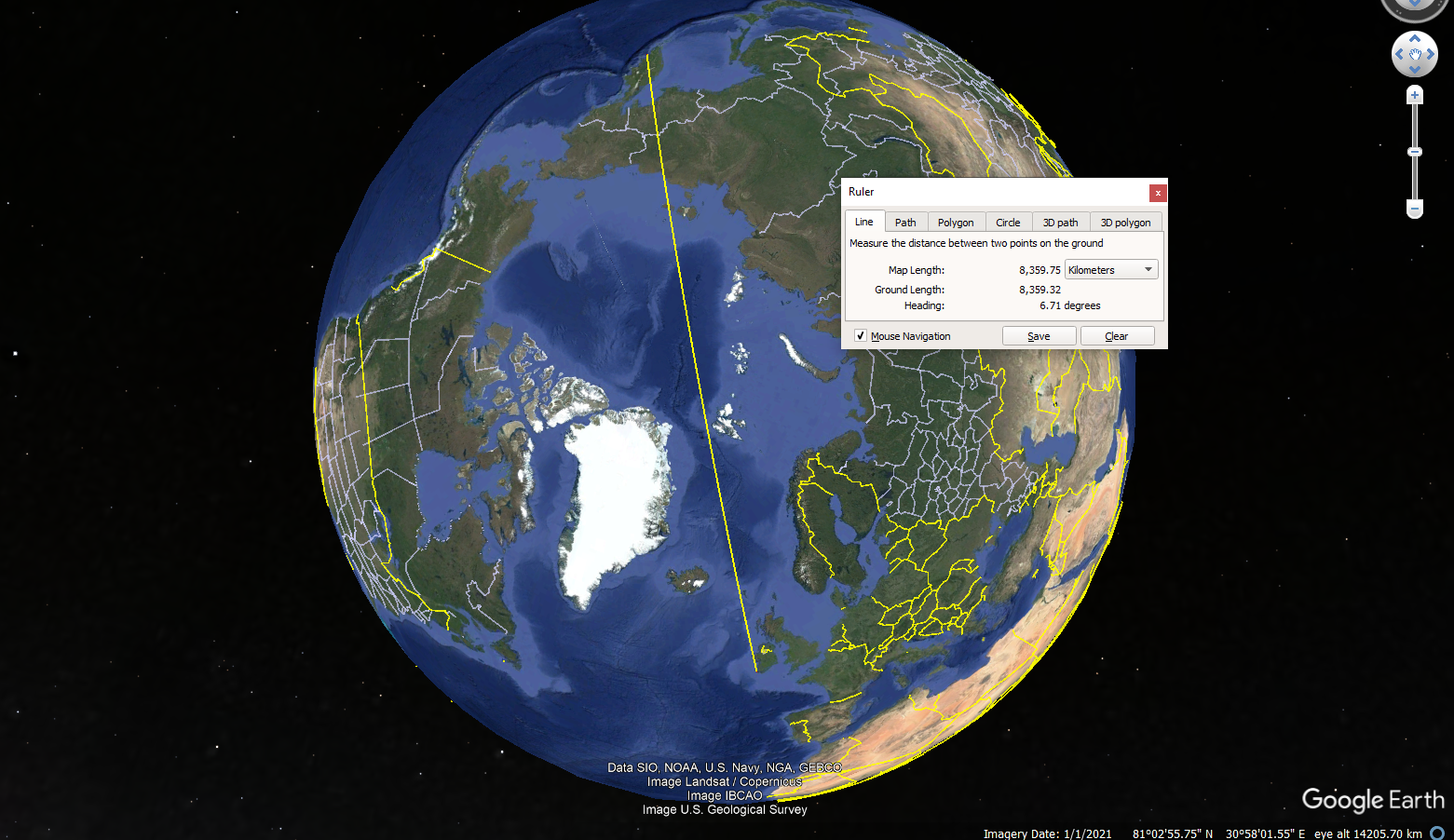
Despite taking place about 8500 km away from Kerry[4], this massive 8.8 Mw earthquake was markedly registered and recorded by the equipment at the Valentia Observatory.
 
I don’t have to be too obvious about which one of the waveforms is the Kamchatka-earthquake. It clearly shows something eventful that shook the needle of the seismometer back and forth violently for several minutes. Take some time to familarise yourself with the graph – it’s quite easy to read.
 
And something spectacular was also recorded as well – something that is only recorded during these large events. I will get to that further down.
Measuring things
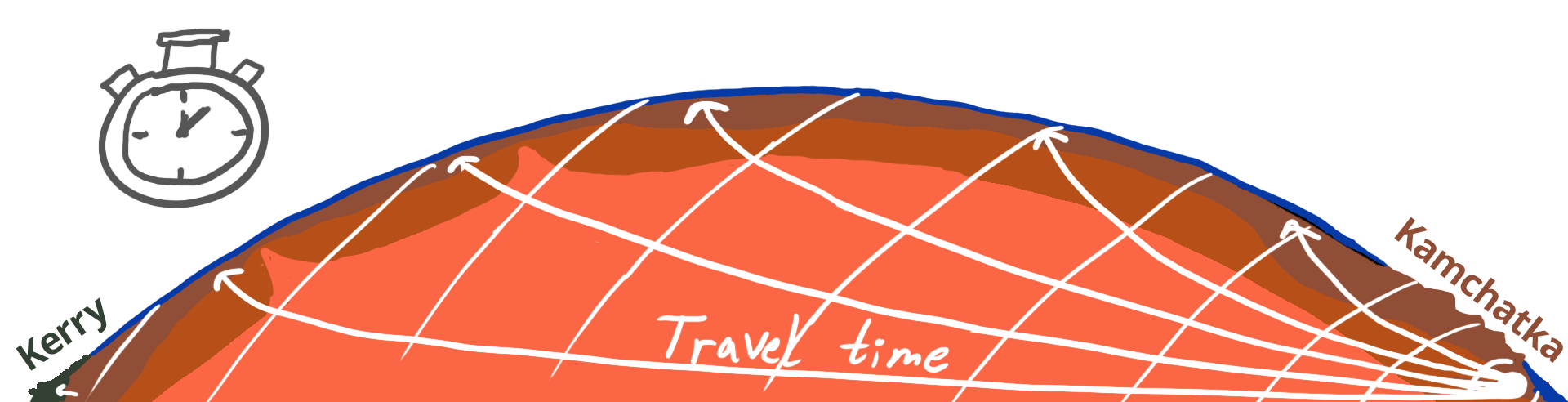
Distance from Kerry to Kamchatka following the Earth's curvature
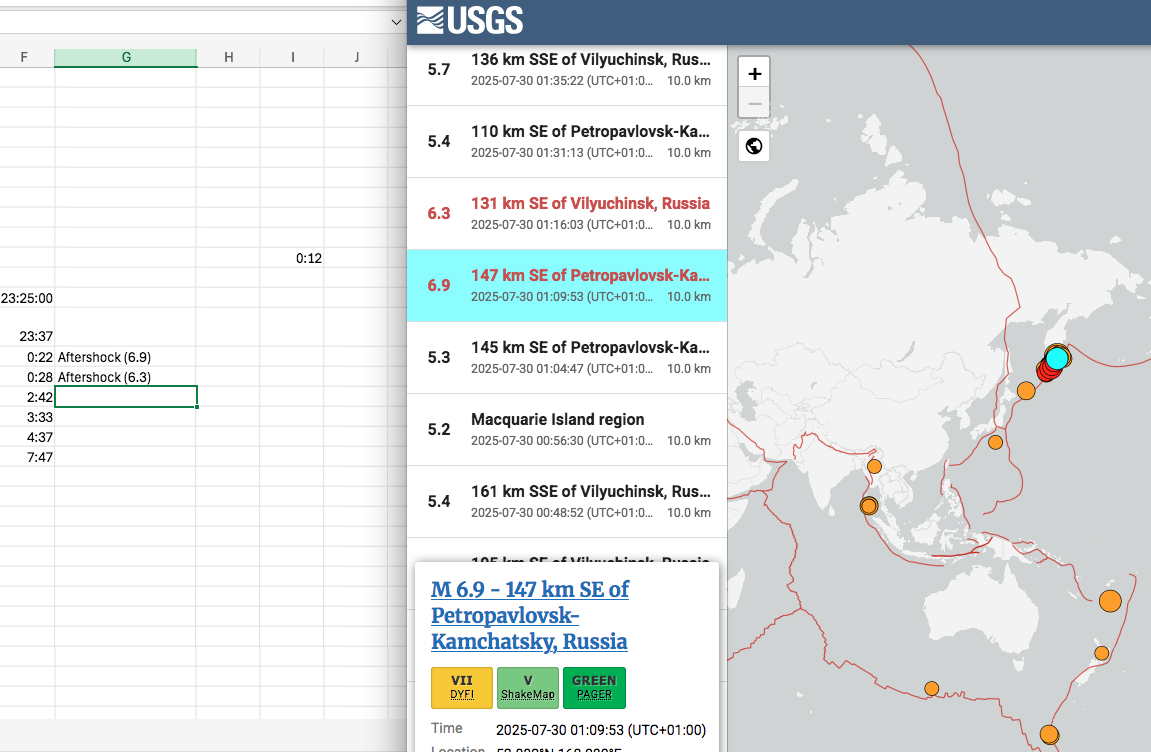
The United Stated Geological Survey’s website is one of the best platforms for looking at global earthquake data and information. From it, I took a list of recent seismic events globally.
Then there are all the other seismic events – both visible on the list above and on the seismogram. I thus wondered if it could be decided which events they belonged to, and how long it took for the seismic waves to travel the distance
Calculating stuff
Valentia Observatory events annotated
Okay, so I hope that the above hasn’t made it more confusing! Take your time to get an overview of it.
 
Remember that the seismogram above was produced at the Valentia Observatory in Kerry? This is important to remember.
 
The blue and red “spikes” on the Valentia seismogram were recorded minutes after the corresponding earthquakes physically occurred. 
 
Again, when an earthquake occurs it generates waves in the Earth. Some of these waves bring shaking to the surface*. So, the time between when the earthquake happened and when the seismometer in Kerry captured the seismic waves is the travel time for these waves from Kamchatka to Kerry. I indicated this travel time with a yellow marking above for the Fiji earthquake and of course for our main star: the Kamchatka earthquake.
 
From Kamchatka to Kerry - travel time
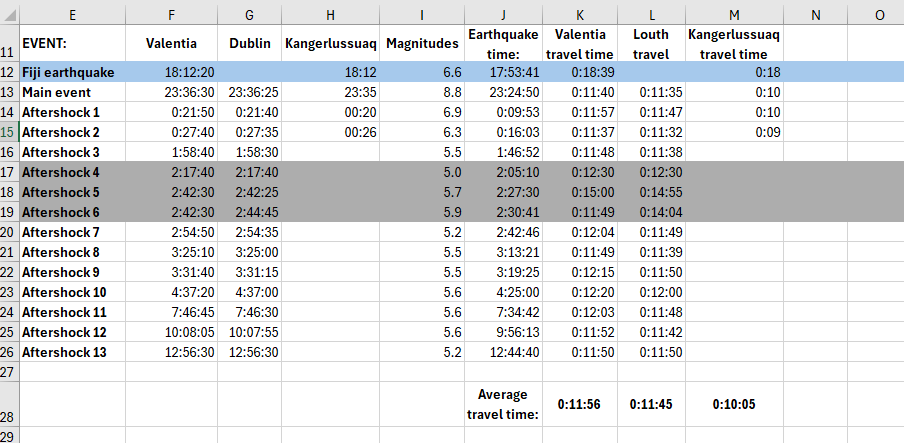
By taking the difference between the time that the actual earthquake happened and the time the observatory captured the waves*, I got 11:56 minutes in travel time for both the main quake and the aftershocks. This is of course assuming that the seismometer time at Valentia Observatory is set correctly.
 
It’s unbelievably fast to be travelling from Kamchatka to Kerry in 12 minutes! And remember that the waves don’t just travel across the planet’s surface, but also THROUGH the entire planet!
And no, I don’t like spreadsheets, but they’re handy enough sometimes.
 
For accuracy, I compared the Valentia times with other seismometers from Dublin and Kangerlussuaq in Greenland – my only reasoning that I’ve been to those places. Luckily, I got some pretty good correlations. For instance, all Dublin times are a few seconds earlier than the Valentia simply because Dublin is relatively closer to Kamchatka.
 
So, the staff at Valentia Observatory seem to be setting their clocks correctly! I highlighted three events in grey as their times didn’t correspond well with the USGS-list (this could even be an error with the USGS-events listing).
 
One more thing!
A surprise
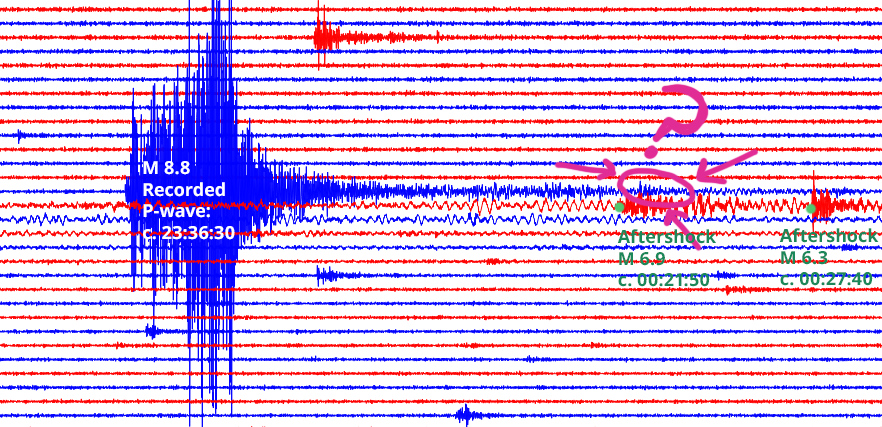
Valentia Observatory seismogram with mystery shaking
One event I didn’t note is this little blue bump:
 
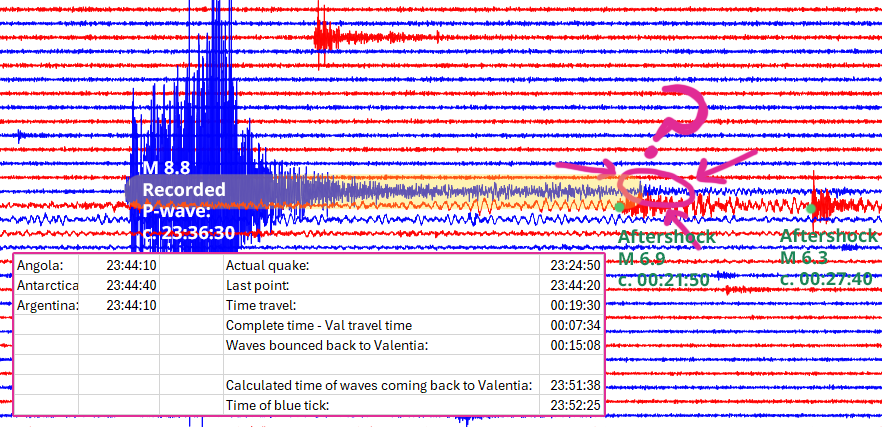
Seemingly another large earthquake hidden in the main one?
 
In a sense, yes! Those are the waves of the main earthquake traveling to the opposite side of the planet and travelling back again the same way they came!
 
These kind of secondary seismic signatures are only visible during large earthquakes simply because of how much energy they release. And such signatures have brought along so much data and knowledge about what the interior of our planet looks like.
 
The best small scale analogy is to envision our planet like a bell. The earthquake was the striking of the bell and the seismic waves travelling back and forth through the planet are the ringing vibrations!
 
We can calculate that as well to match times:
Valentia Observatory seismogram with mystery shaking calculated

The following bit is just to explain a bit further.
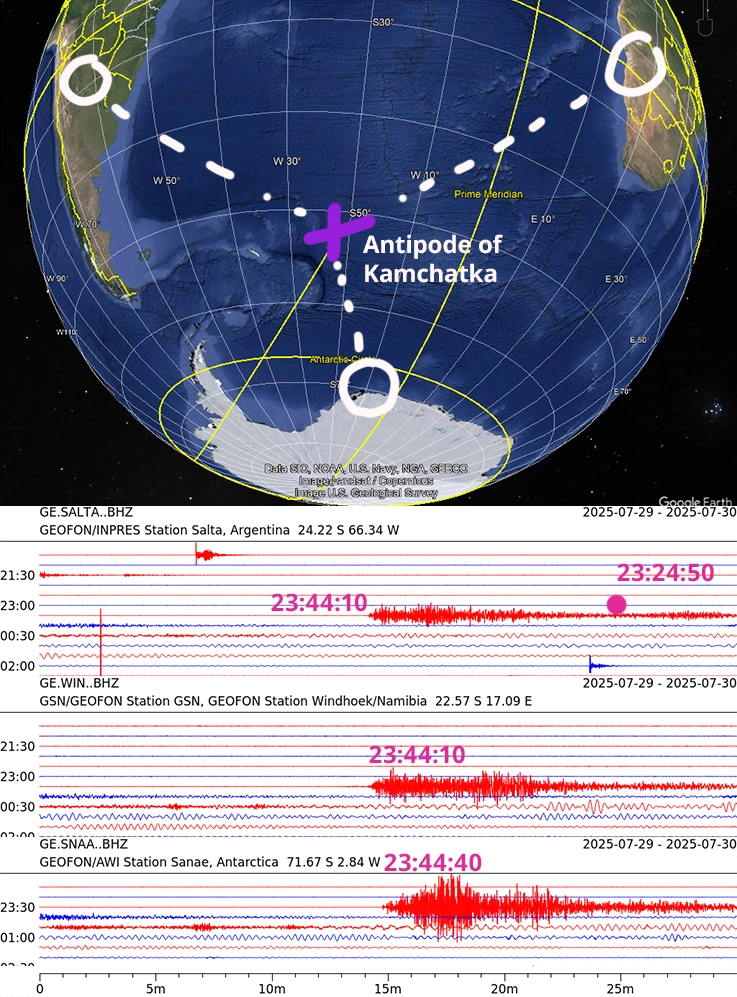
Final calculations, I promise!
Travel times to other side of the planet calculated

The GEOFON project conveniently has seismograms from locations closer to the point of the planet opposite the earthquake (the antipode). As such, I “triangulated” the arrival times of the seismic waves. According to these calculations, it took the first seismic waves about 19 and half minutes to reach from the epicentre to the opposite side of the planet!

Wild.

I then calculated the time travelled from Valentia Island to the antipode and got 7 and a half minutes. Doubling that and I get the calculated time that the waves returned to Valentia Island.

There’s less than a minute of discrepancy here, which I can live with considering that the Earth is not uniform inside. 

A lot of variations in the crust and mantle can slow or increase wave velocities.
So what does it all mean?
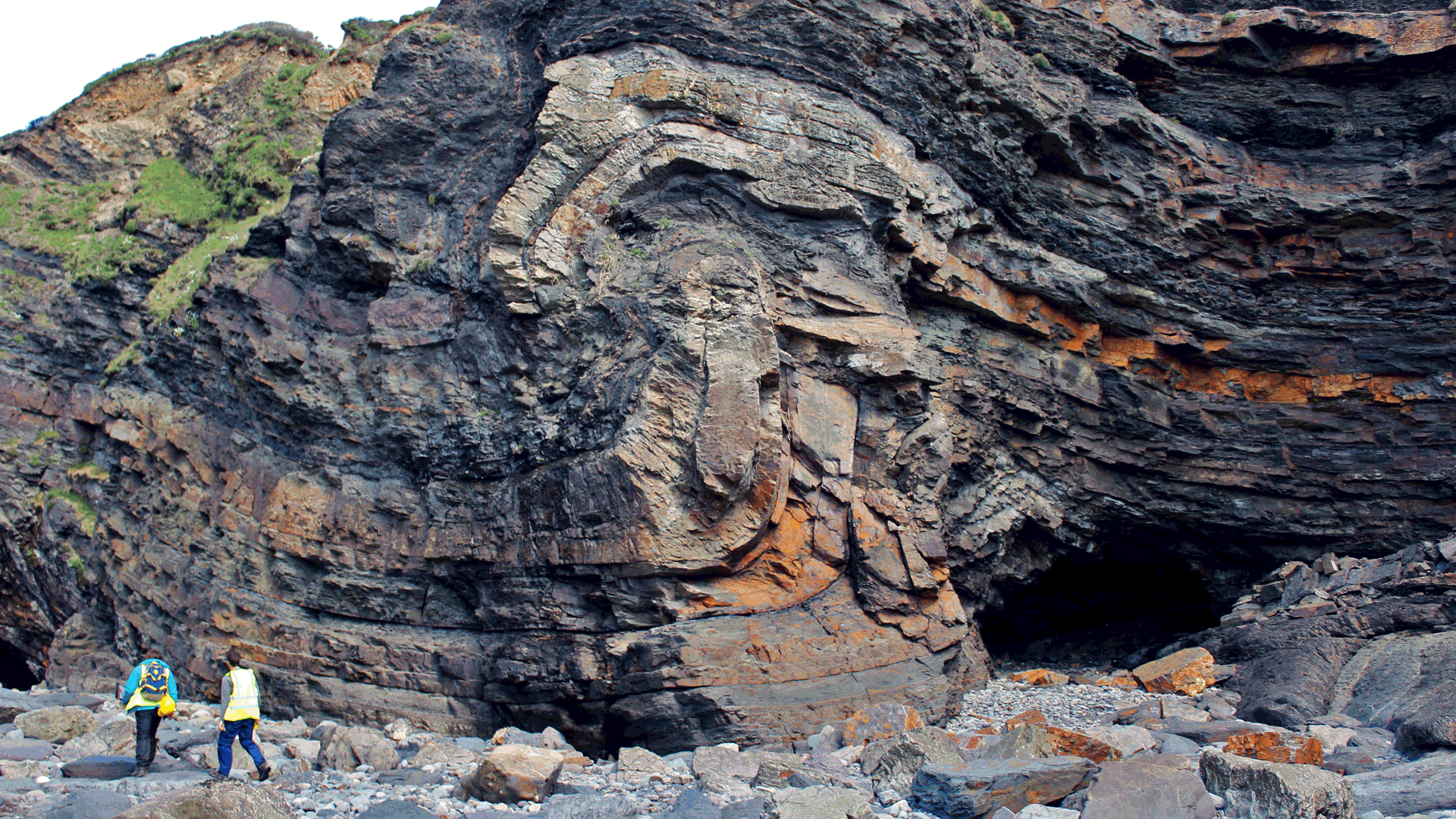
Thrust fold in Pembrokeshire
Folded thrust fault from Pembrokeshire on a fieldtrip back in 2016.
There was a 40 year period after 1964 without any +8.8 magnitude earthquakes occurring. Earthquakes did, of course, happen during this time, even incredibly deadly ones, but none the size as the recent Kamchatka one. The magnitude is important as these +8.8 events cause shaking and tsunami damage over an enormous area.
 
Then suddenly in 2004, the unthinkable happened. A crack over 1300 km long in the Earth’s crust developed in less than 10 minutes. These violent movements caused a massive tsunami that claimed the lives of almost a quarter of a million people across the Indian Ocean.
 
Then a Chilean earthquake at 8.8 Mw struck in 2010, in 2011 at 9.1 Mw in Japan and now the 8.8 Mw Kamchatka earthquake this July 2025. Earthquakes of such extensive reach and impact shape the planet’s landscapes, but also the minds of us humans.
 
Tsunamis were slightly abstract and mythological events prior to 2004. But with camera technology becoming more accessible over the course of the 2000s and the Internet making it easier to share content, people along the Eastern coast of Japan provided researchers, decision-makers and the public with harrowing images and videos of how tsunamis behave.
 
The 2025 July earthquake was highly visible on seismograms from Kerry’s Valentia Observatory, but it can also make visible the bowels of the Earth through seismograms and calculating velocities of the waves. Despite the enormity of the earthquake, the tsunami caused some damage, but not in many other places than Kamchatka.
 
Much appreciation to the GEOFON project that makes the referenced data above available for the public to use.

References:

https://earthquake.usgs.gov/earthquakes/
https://geofon.gfz.de/
https://gpg.geosci.xyz/
https://www.met.ie/science/valentia
https://www.google.com/earth/about/versions/ - Not condoning the use of a Google-product, but the offline version is less likely to be stealing your data.