Thomas Heising

Visual science communication
Back to the Lab

Welsh beach bodies

Dead things
2016 | Pembrokeshire, Wales

Findings from Pembroke

The abundance of life in seas and oceans isn’t apparent when standing on a beach. Beaches may be popular recreational areas for us humans, but they’re terribly useless spaces for the vast majority of marine creatures.
 
Dead marine creatures, however, may exist in abundance here! Sharks, sea urchins, algae, mussels and crabs. This Welsh beach at Broad Haven in Pembrokeshire had a few lifeless treasures naturally drifted in from the local underwater landscapes. I’ve websearched my way to identify these.
There’s something about any massive body of water that’s fairly sanity-disarming! The fact that we can’t live sustainably and unaided in our oceans and seas, make them feel exclusive. Eventually, a sense of envy may come from thinking too long about this inaccessibility. Billionaires spending time in their friends’ privately funded submersibles likely do.
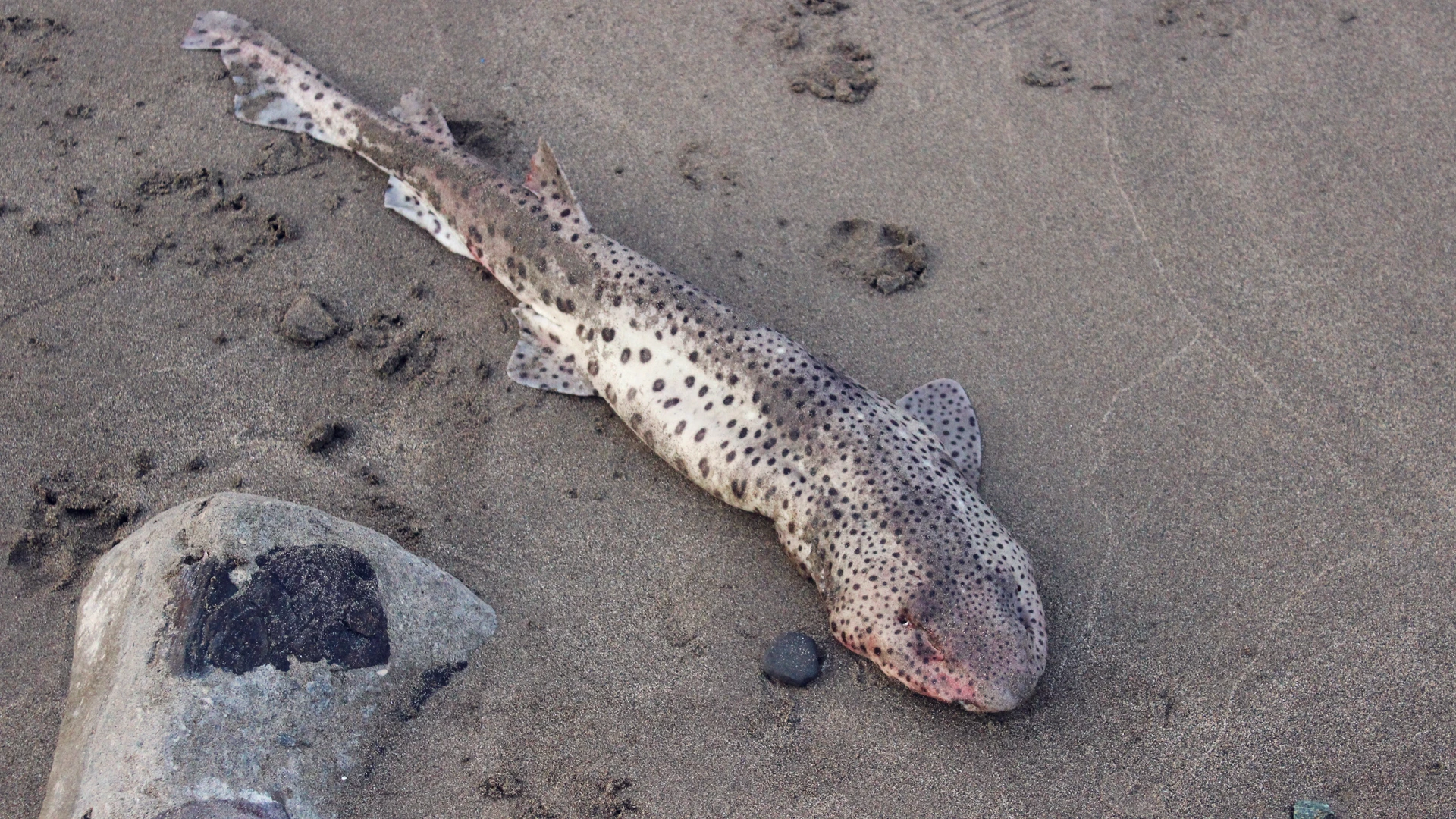
Above is a dead small-spotted catshark – also known by some as dogfish. I forgot to add a reference of scale, but the creature here is about half a metre in length.
 
It’s like we need to get closer to these environments to care more about them, though all of us getting closer will likely be more harmful than good. For both the other organisms and for us. We tend to over-exploit everything we build relationships with. 
 
Anyways, here’s a few pictures of lifeless animal remains – not much different from a commercial by Burger King.

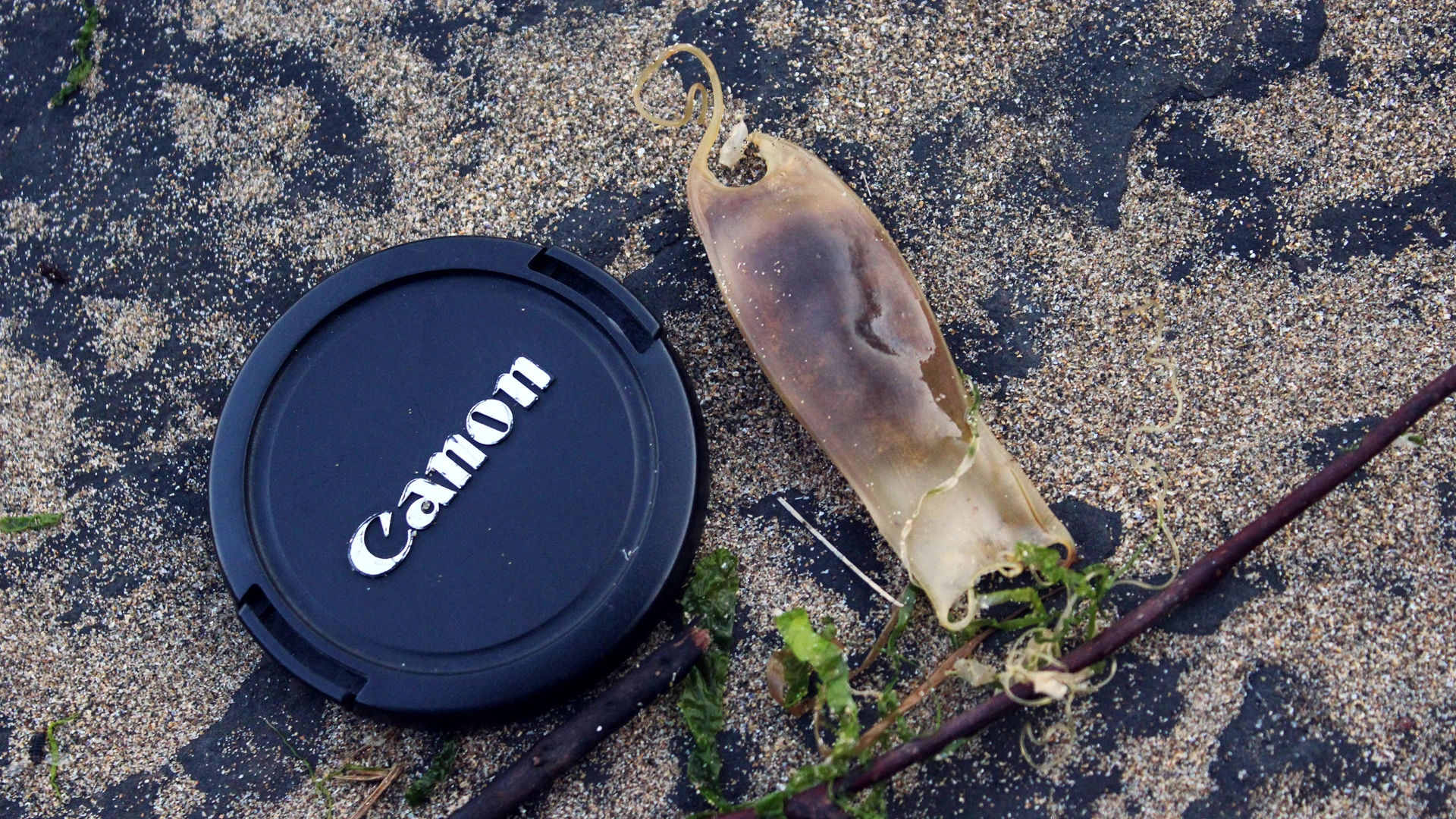
Hovering above this caption is the empty egg sac associated with catsharks. These beach findings are also referred to as mermaid’s purses, often dismissed as pieces of plastic. But they are very much shark eggs.
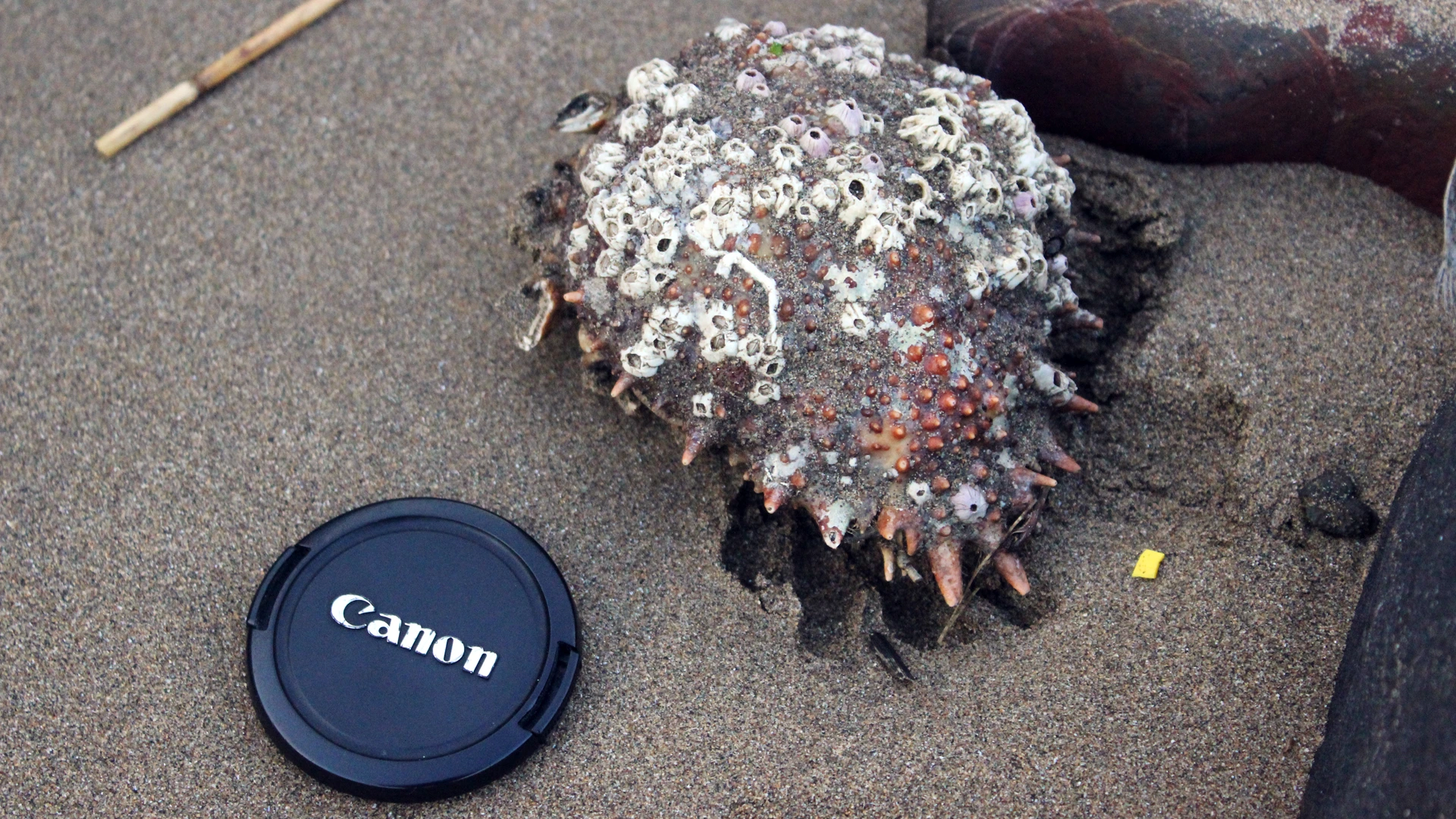
The detached shield from a spider crab.
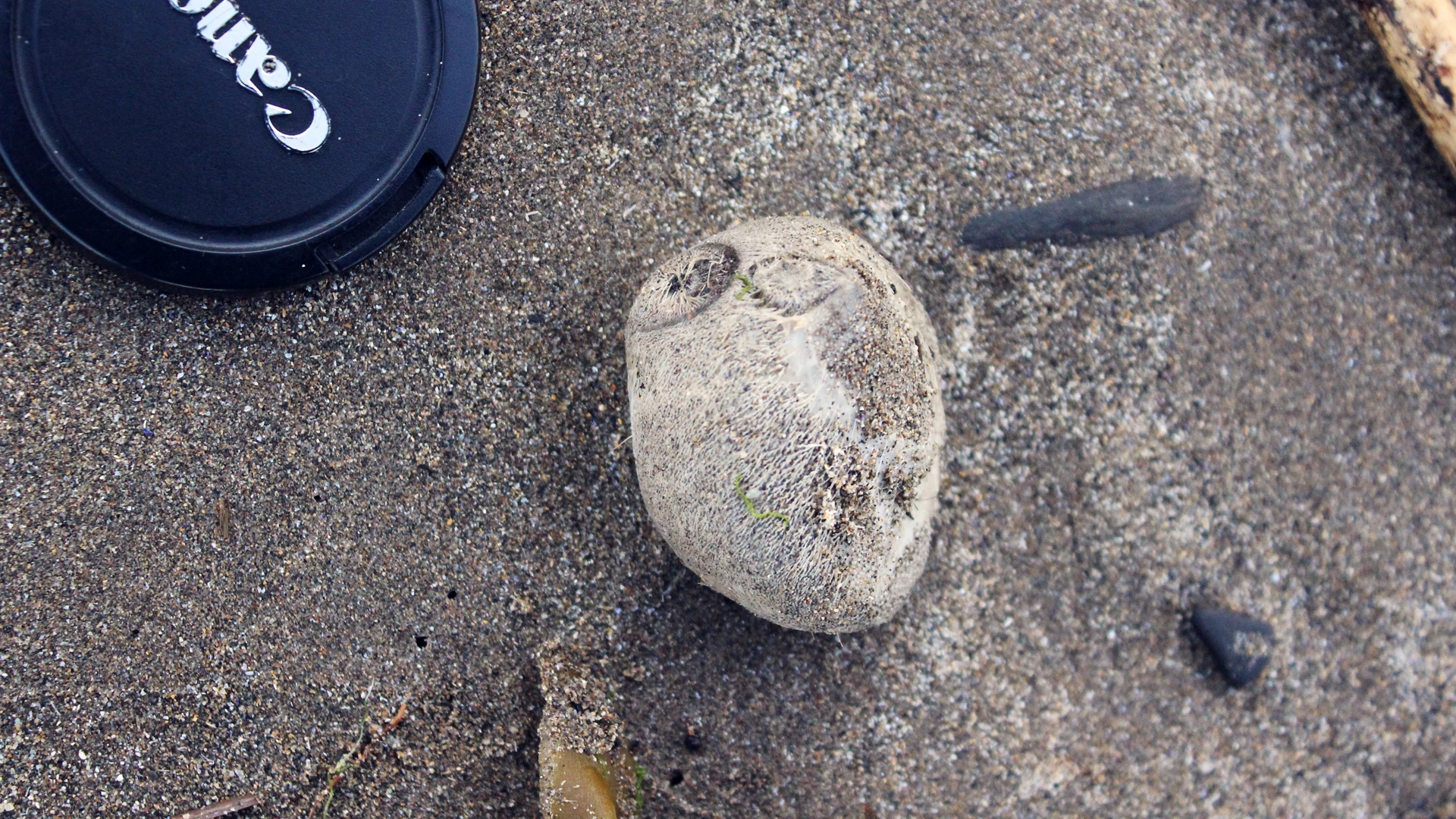
The most uninteresting picture one could take of a sea potato slash heart urchin.

References:

https://www.sharktrust.org

https://www.wildlifetrusts.org