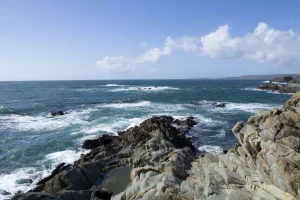
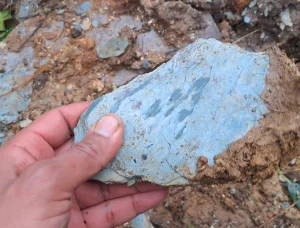
Fossil hunting in Toe Head
Geology nugget

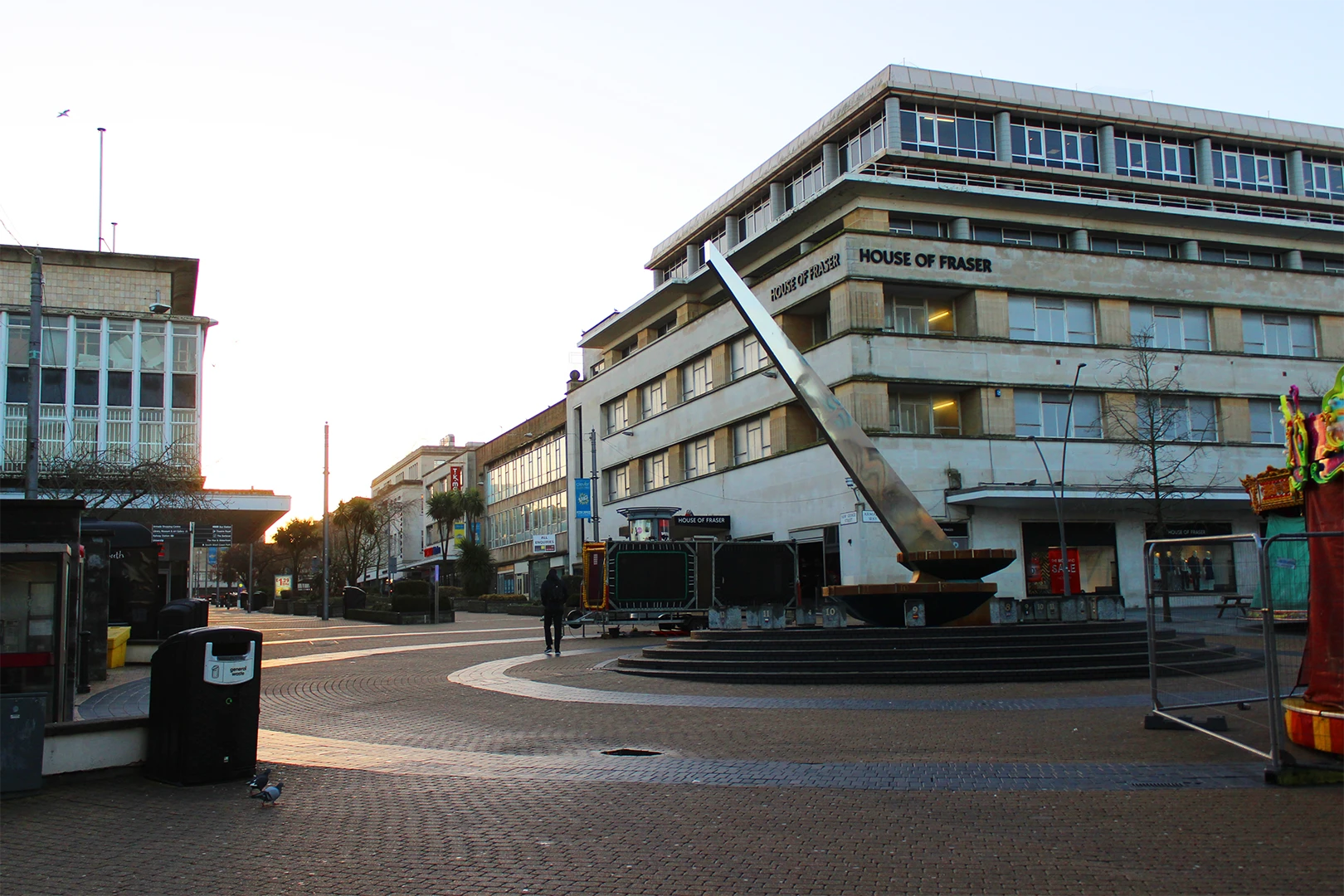
So, I’m making this post in 2025, but as with the other posts I mark them by the year that the associated pictures were taken. In this case, these photos are from my trip to Plymouth spring 2016.
I write about, talk about and visualise the Devonian Period a lot, so why not show a bit from where the geological period got its name?
Confession: I didn’t go to Plymouth to look at rocks, that became a secondary mission, but to visit a cute local guy there I had spoken to in the days prior to. He turned out to be nice in-person also, so he stayed with me at a hotel room where we got takeaway food and later hiked to Dartmoor.
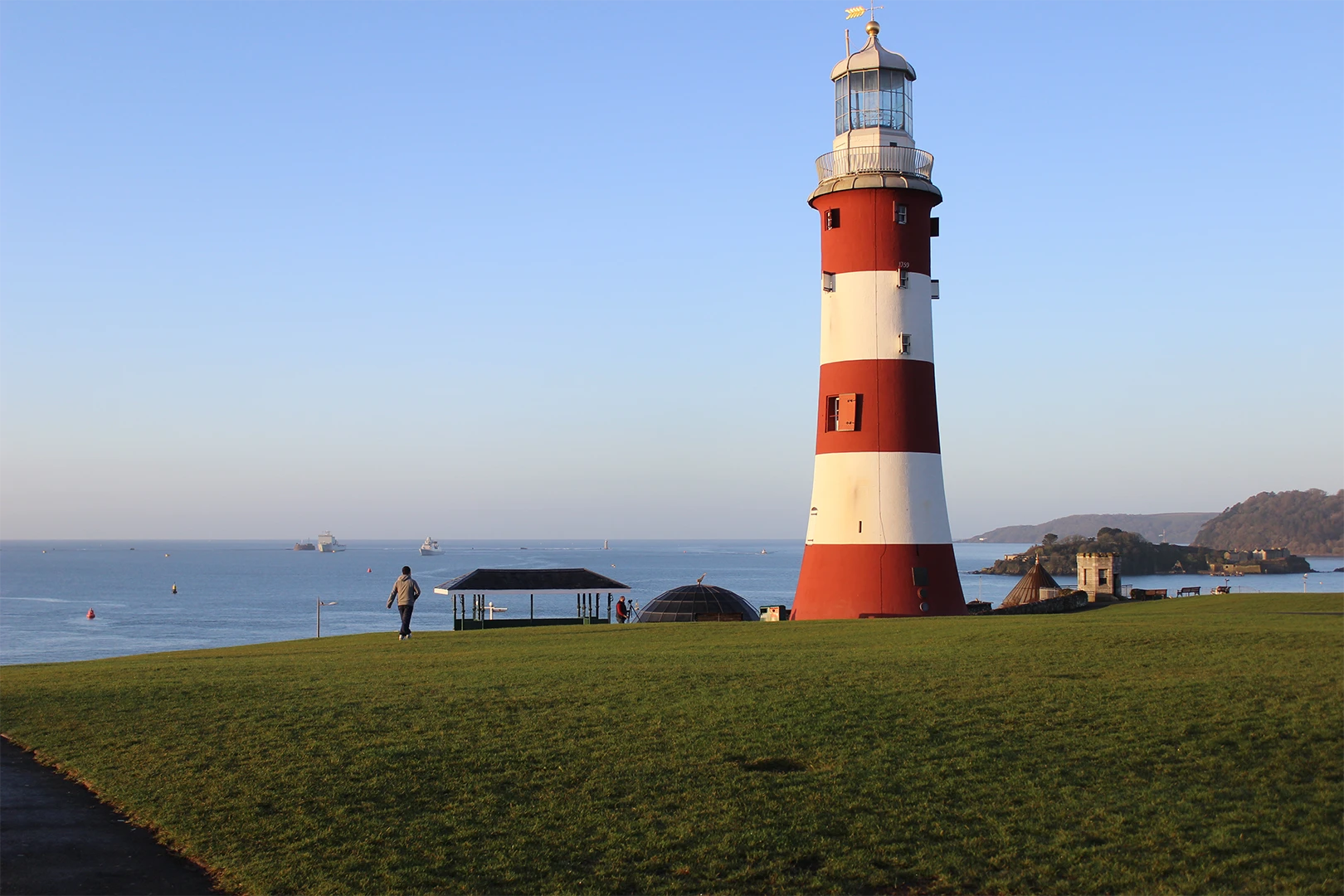
The final morning, I finally got out to look at the local geology.
The Devonian Period got its name from the county of Devon, and so you’d expect to find Devonian rocks here. And indeed, you can. But one thing that now makes this really interesting is the type of rocks found here:
Devonian limestone! In particular from the Early and Middle parts of the Devonian.
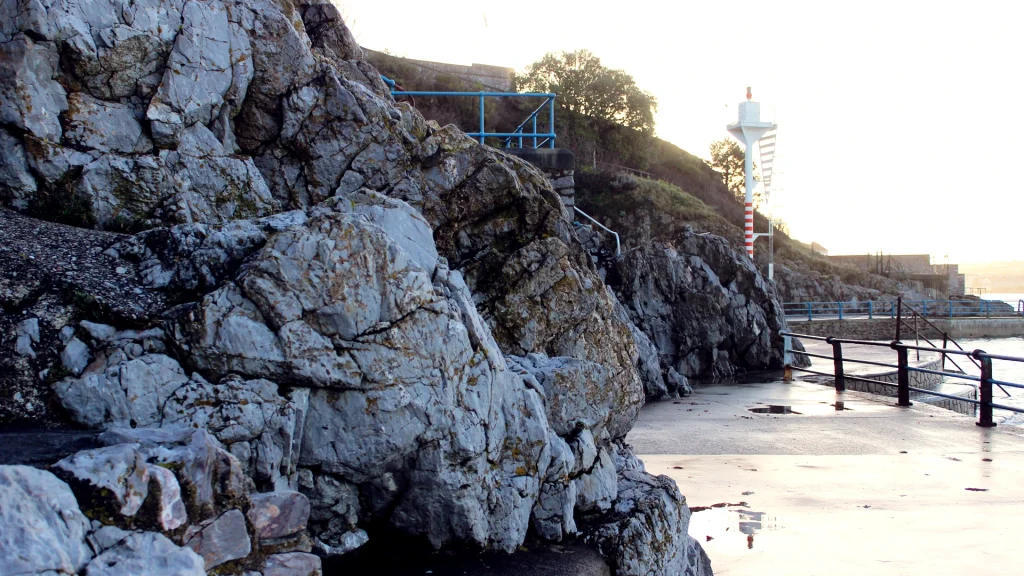
Nearly all of the Devonian rocks found in Ireland were made in continental desert-like settings. This is what we call the Old Red Sandstone-continent. However, here in Devon not too far away, we find limestone sediments with fossils of tropical marine life. Shallow marine, but still exciting to compare to the sediments found in Ireland.
As such, we get a glimpse of the geography from that time (thanks to 200 years of geological research). In Kerry and Cork at the same time, we would’ve have had semi-dry continental landscapes with early forests hugging along rivers with fish trotting their way up on land after they developed the means to do so. This environment would’ve been low in biodiversity.
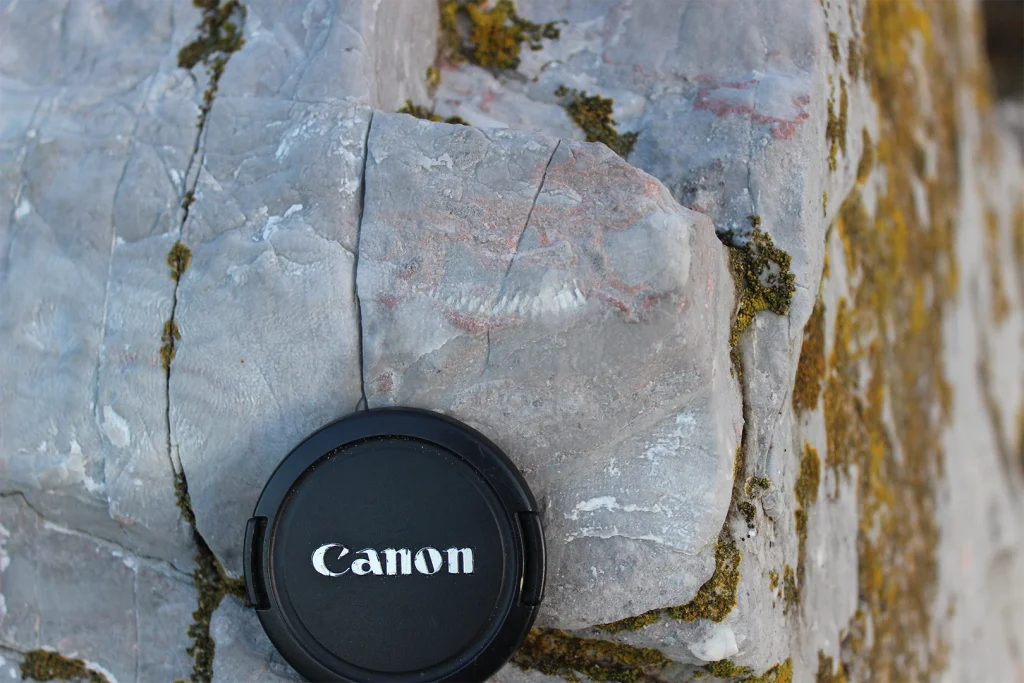
On the other hand in, what is now the southern part of Devon, there would’ve been shallow tropical reefs teeming with life.
Funny how times change.
References: