Revelations from Plymouth
Geology nugget
Cork Lifelong Learning Festival is on these days as I’m writing, and it’s my first year of properly engaging with the offerings of the festival.
As part of this eventful stretch of days, I signed up to a few things: a bat walk, a computer programming course and a soil workshop. It also coincided with a fire extinguisher-training session that I had to do as part of work, which meant that there was a lot of learning involved during this last half of April!
I do like digging with a shovel, but earthworms have previously meant little positive for me.
Even with the understanding that they’re vital for the balance of nature, I dismissed them as creepy-crawlies that I didn’t want to touch. One of my parents used to scream or get agitated at the sight of many kinds of invertebrates. As a child, I likely learned to echo these sentiments.
I remember having an interest in snakes in the younger years of my existence before suddenly growing an irrational fear of them in my mid-teens. Likely because of seeing a parent react strongly against them. I’ve always loved spiders, though.
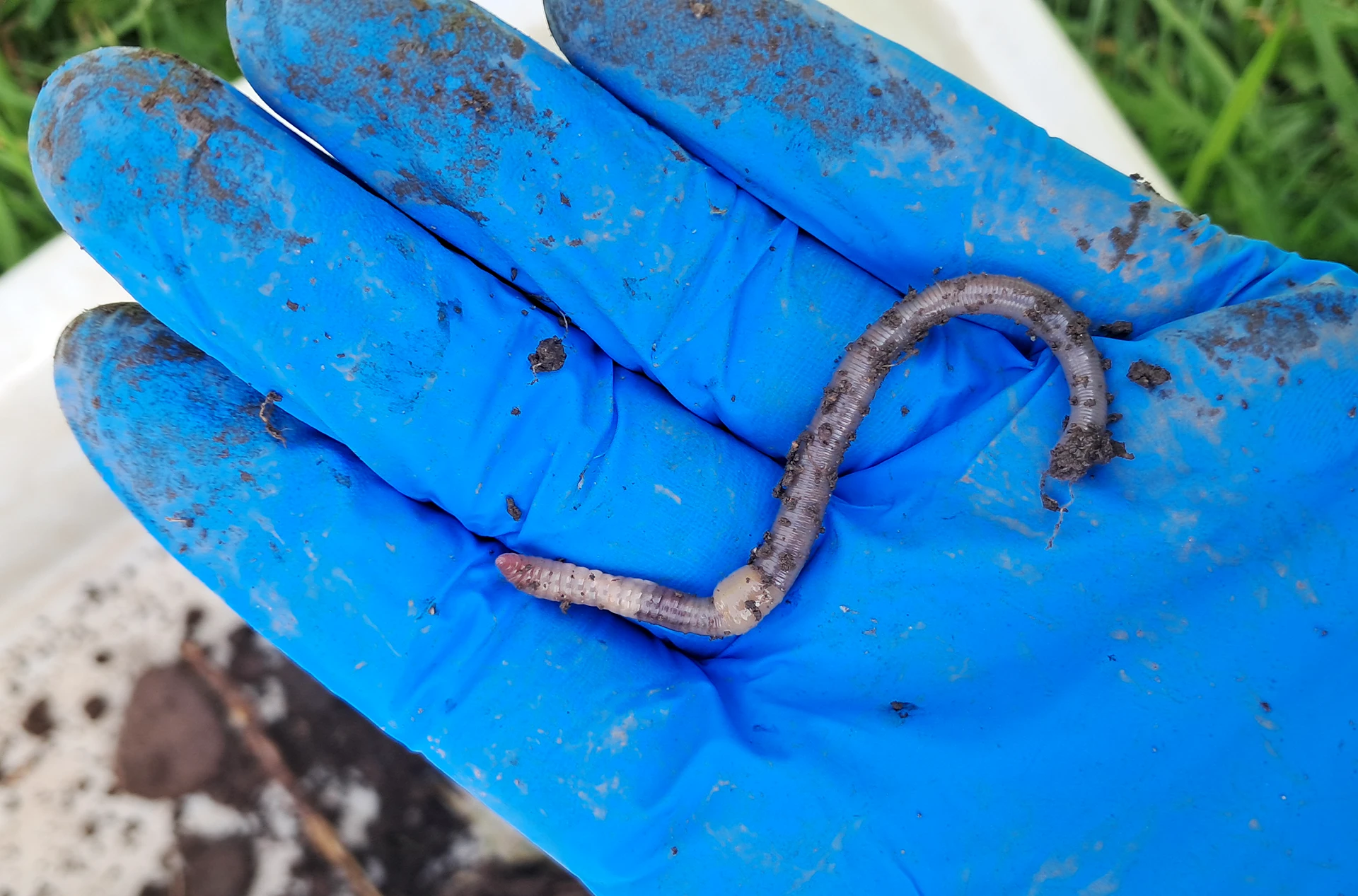
Ireland has 28 confirmed species of earthworms which is interestingly enough more than the UK.
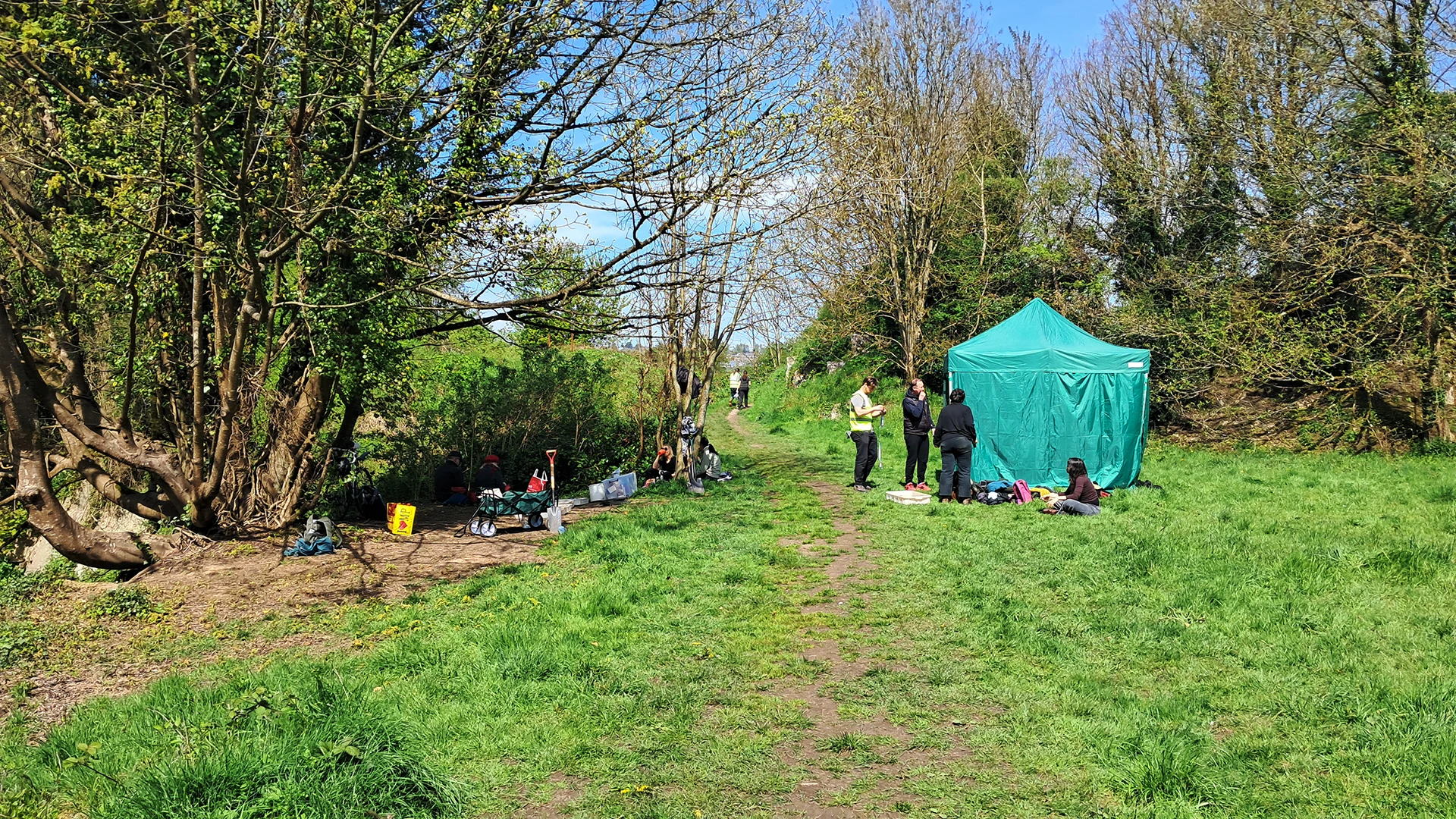
Three hours spent in Beaumont Quarry and my indifference towards earthworms turned into a slight obsession thanks to the facilitators from University College Dublin and Nature Network Ireland. The session was part of the Soil Rise-project which involves raising awareness of soils as mission critical ecosystems – soils are literally foundational to our survival.
Imagine this: the global layer of soil is extremely thin. That’s all the material that we use to grow vegetables, fruits and grains in, and it is so sensitive. Even if you’re primarily a meat eater, the animals you eat have to eat foods that grow in soils.
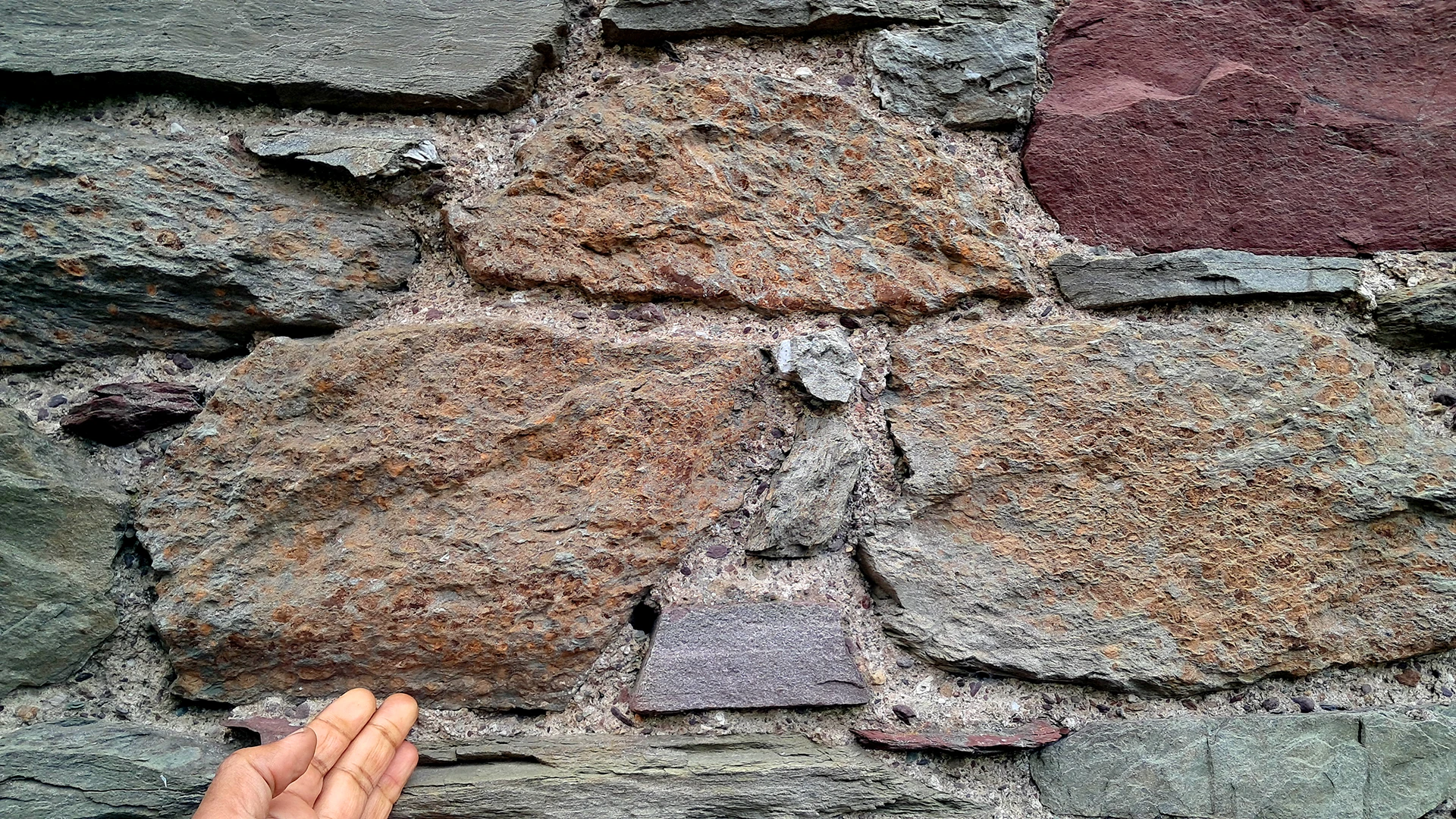
Old Red Sandstone-bricks from Rutland Street in Cork city with what I assume to be paleosols aged from the Devonian Period 360 million years old.
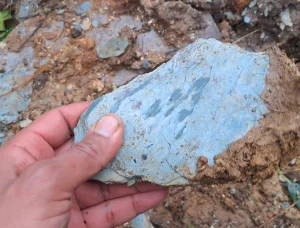
Nearby the plant fossils from the Old Red Sandstone-bricks I worship at Rutland Street, there are other rock bricks with textures reminiscent of paleosols.
Paleosols are literally fossilised soils, and in the case of the wall material on Rutland St, these paleosols might be 360 million years old.
That’s not only remarkable in terms of their age, but also their place in the evolution of life. The timeframe in and around 360 million years ago marks the end of the geological period the Devonian and the beginning of the Carboniferous Period.
Back then the formation of soils was a relatively new phenomenon and it changed the surface of the planet completely. I write a bit about this in my post on fossils from the Old Red Sandstone.
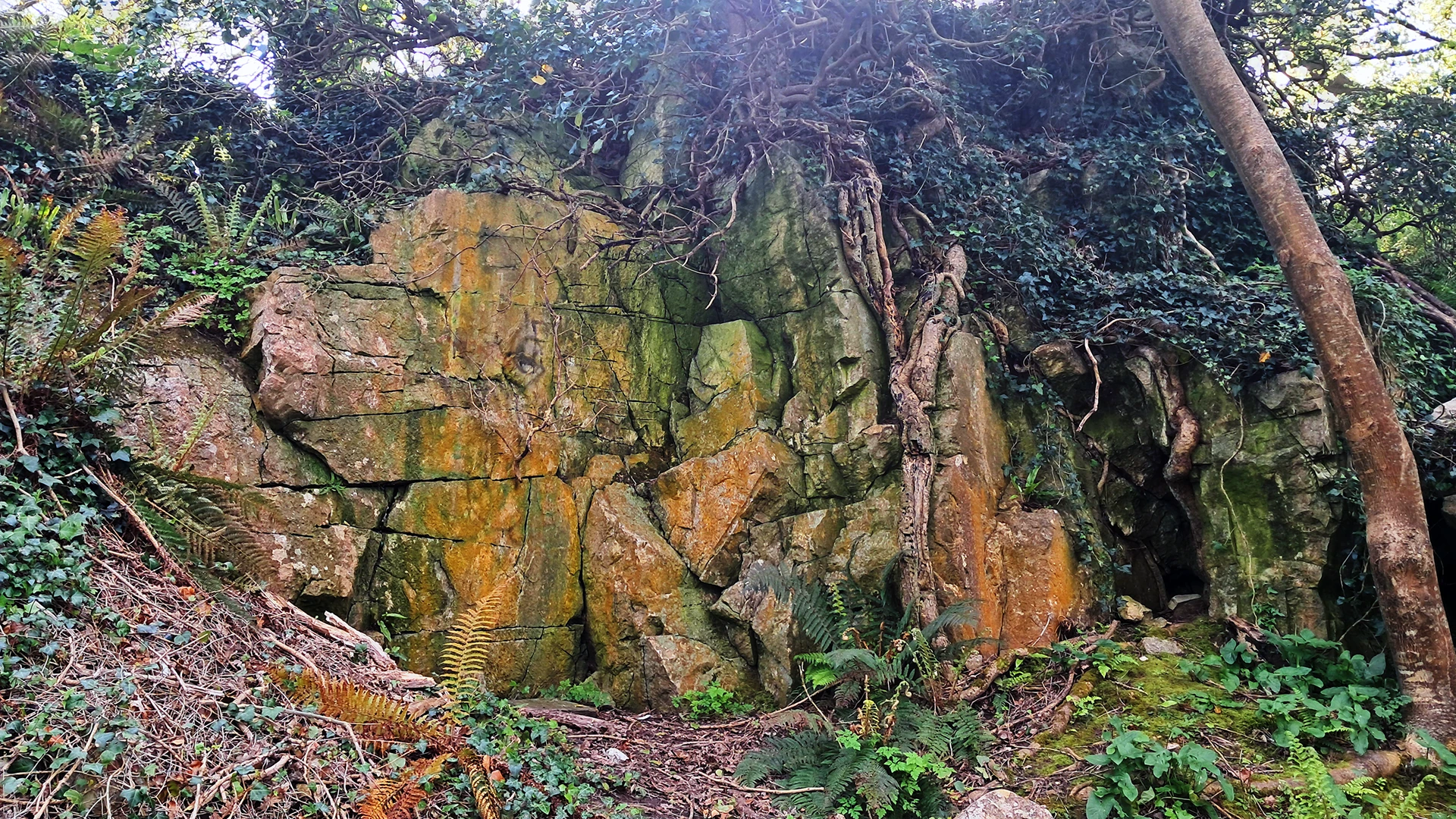
Carboniferous limestone rocks at Beaumont Quarry. Normally, these are white, grey or pale in colour, but these have been coloured orange, green and red from erosion and lichens.
The rocks at Beaumont Quarry were formed a bit after the Old Red Sandstone-soils were made; in warm seas during the Carboniferous Period about 350 million years ago. Dead organisms and mud (some of this mud being eroded Old Red Sandstone) gathered at the bottom of these now long-gone seas before getting buried and turning into the limestone found today across much of Ireland.
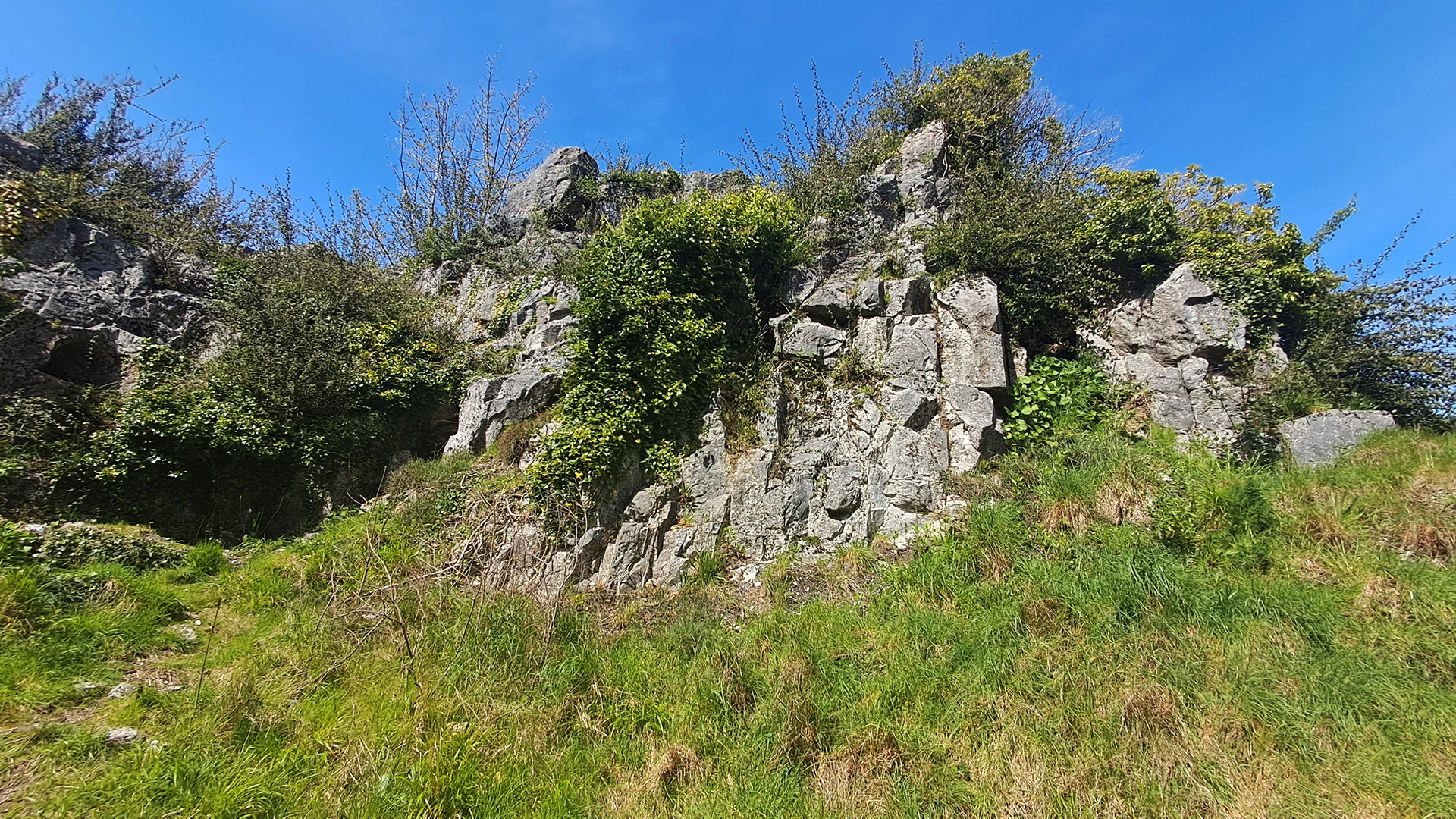
A more representative image of what limestone rocks look like.
Zooming hundreds of millions of years onwards to our present day, this now-exposed limestone gives the soil on top of it a specific composition that in turn dictates which organisms thrive in this area.
Rare flowering plants are blossoming in these calcium carbonate-sponsored soils and it attracts plenty of insects that help these plants reproduce and spread. Again, insects are good indicators of healthy environments, despite how much some of our family members might have taught us to find them disgusting or worthy of death.
Coming to these events, I was happy to meet people who grew up with parents who showed their kids how important worms, insects, arachnids and molluscs are. We need more parents like this!
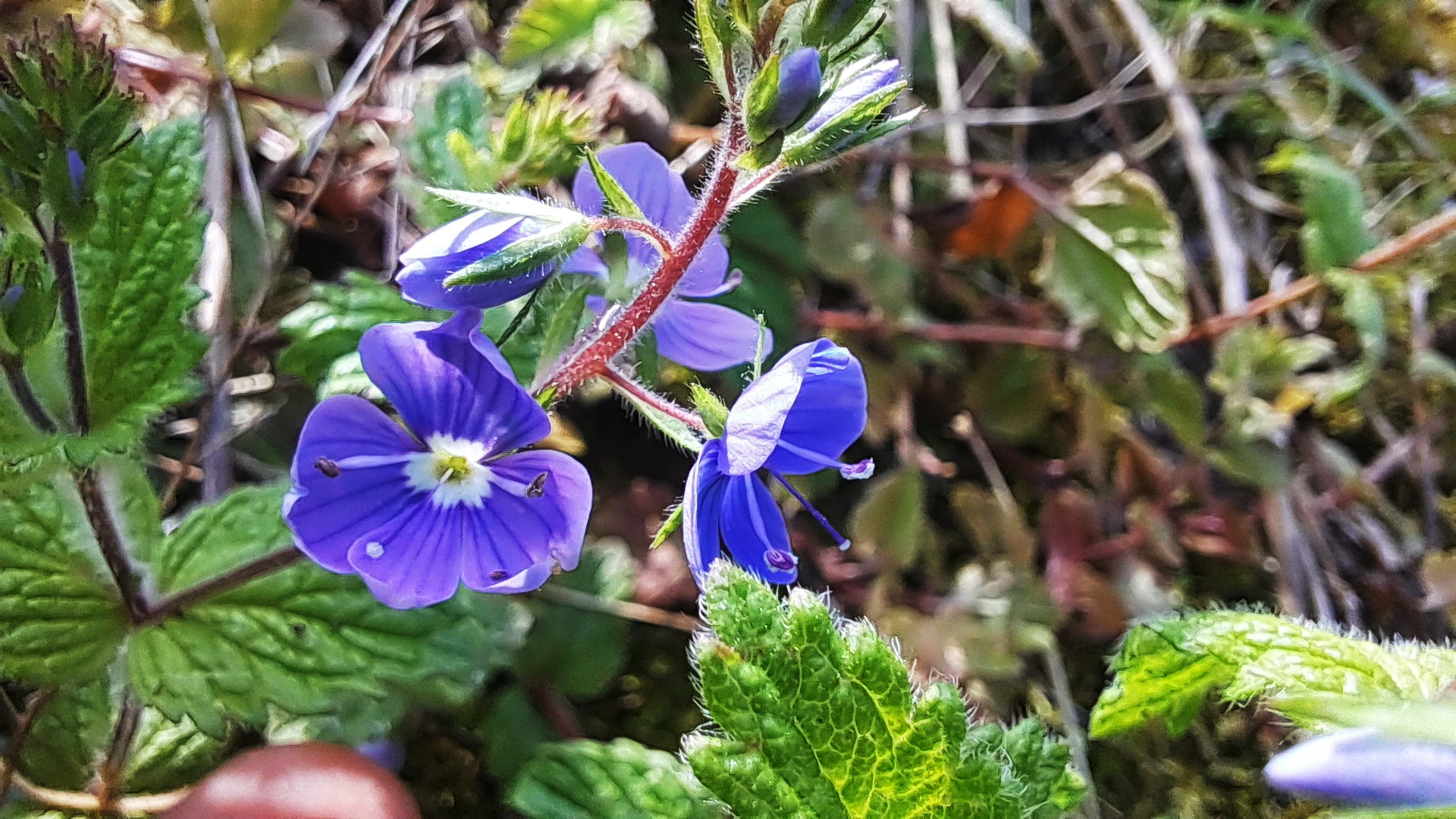
Flax flowers thrive in limestone-derived soils.
During the workshop, we sampled different areas of Beaumont Quarry to look at the makeup of worms. I was chatting and earthworm-sampling with two born-and-bred Cork women who spoke of their own earth-enthusiastic projects at home. One of them was very keen on the smell of the soil, which I got into as well. Yes, soil does smell differently depending on where you dig. There is also variations in colour, moisture, the rocks below and of course, the abundance of earthworms.
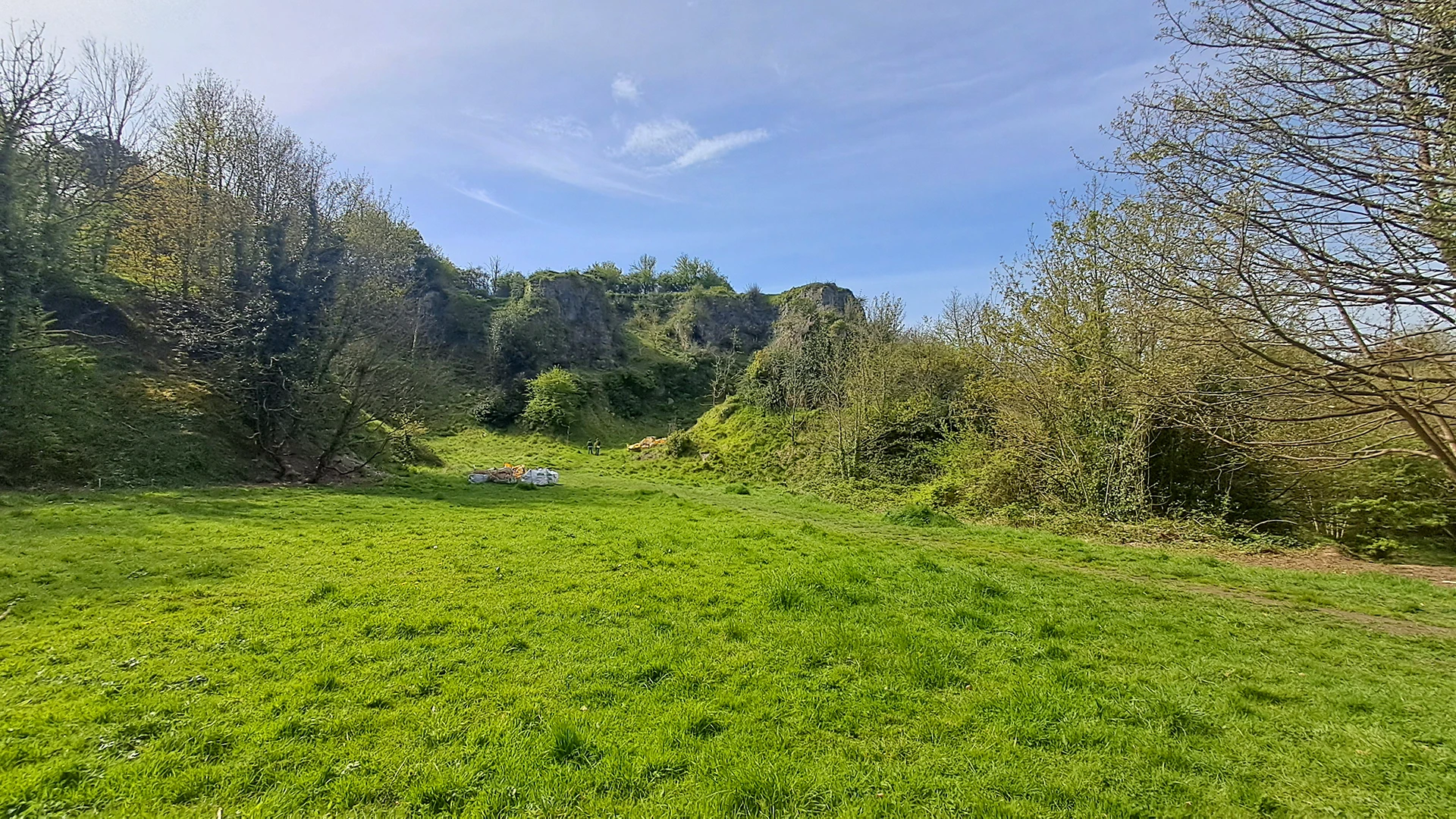
At some soil plots, such as from the bottom of the Quarry, we found a high presence of earthworms, while at other spots, including closer to the limestone cliffs of Beaumont Quarry, fewer or no earthworms were to be found. Different species were uncovered, all of them productive converters of organic material.
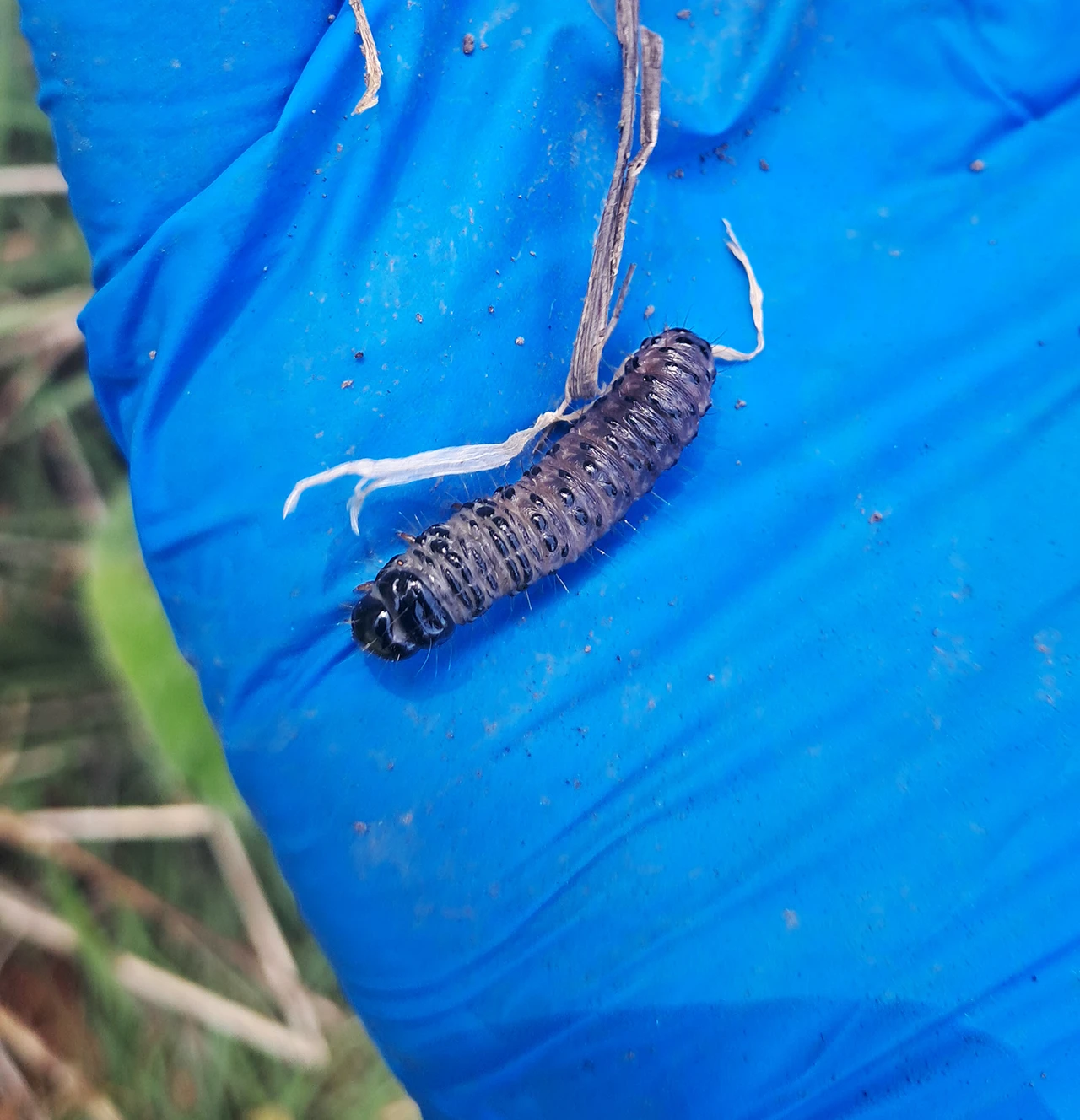
Not a worm, but a larvae of a moth – perhaps the parsnip moth.
Moisture and shade are important for earthworms. Ultraviolet light emitted from the sun harms them very easily, and as such, keeping them in the shade was important. After digging them up and finding a few individuals, we filled the holes up again with the soil we dug up.
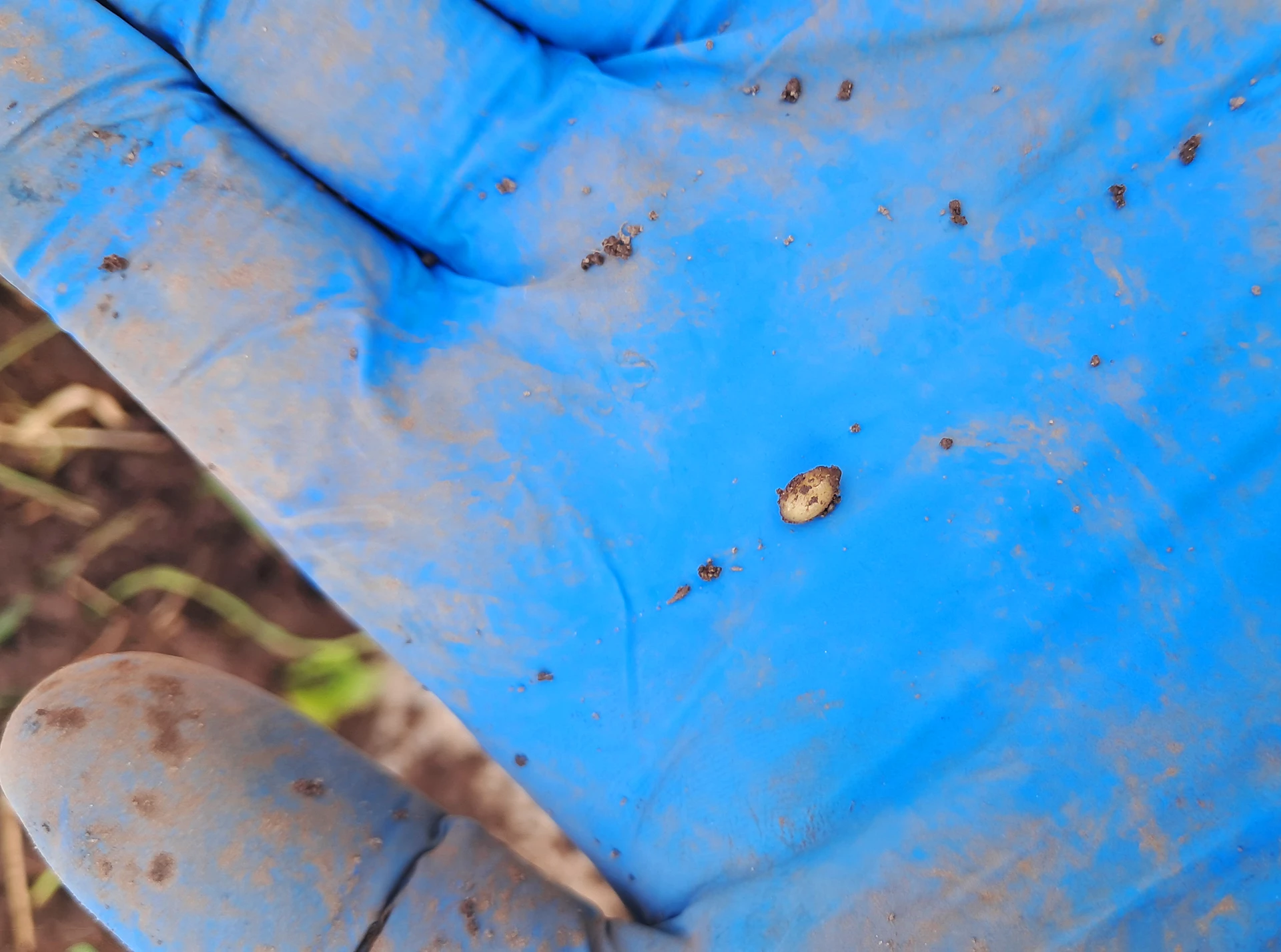
The cocoon or egg casing from an earthworm.
One of researchers present was an expert in earthworms and heightened the mood with his unfiltered excitement at the discovery of species assumed to be rare or specific to certain environments.
Note: None of the content on this site is produced using AI. Therefore, you can always reach out to me if there’s anything factually or textually incorrect.
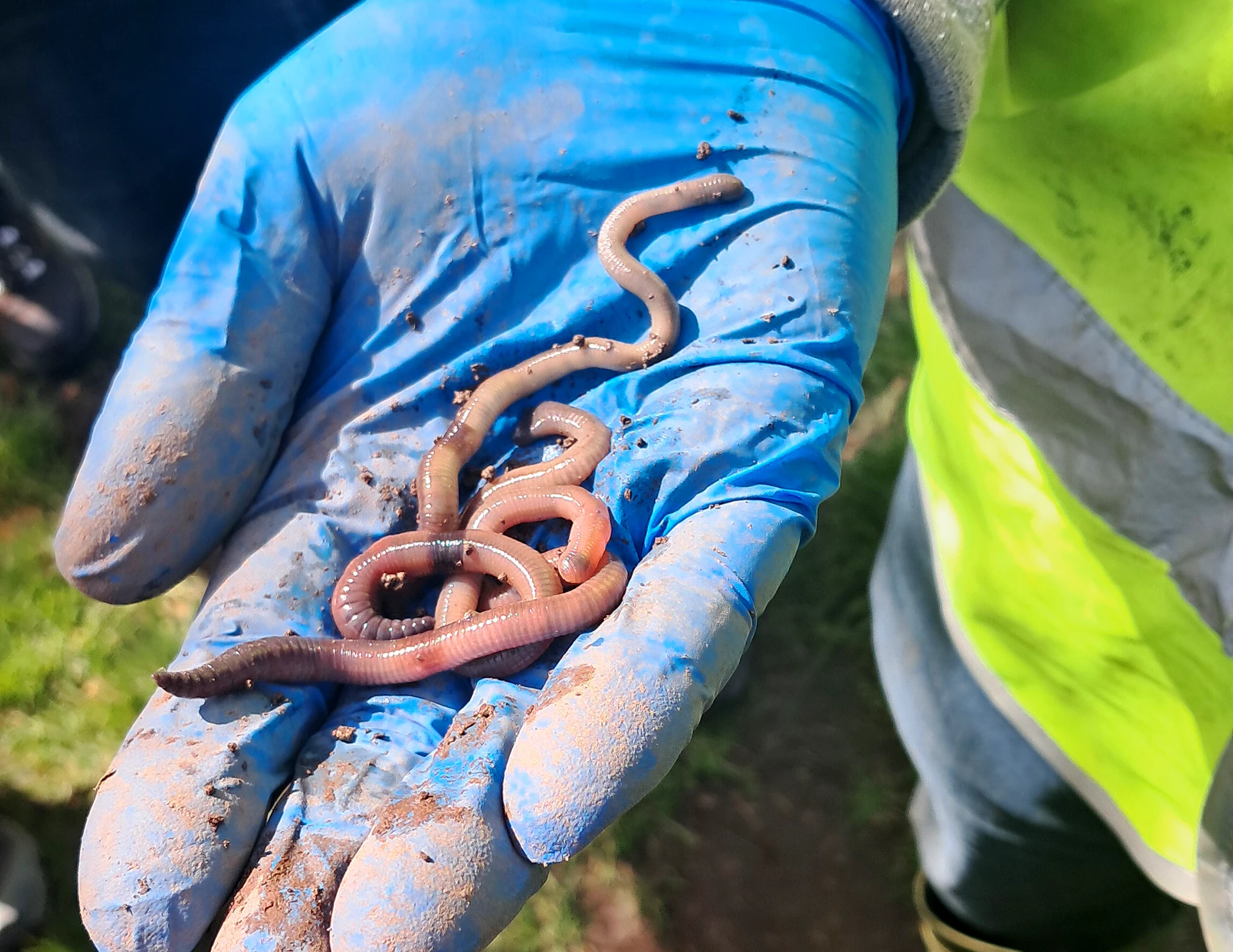
A good catch! Two species represented in one hand. The worms were only briefly exposed to sunlight to allow for this picture.
One of the highlights when it comes to chatting to some Irish people at these events is that we unapologetically get to the topic of colonialism. I find that there’s an acceptance, especially here in Cork, that colonialism still very much exists and that a widespread colonial mentality underlies much of our destructive and self-destructive superiority complexes.
It’s incredibly freeing to be able to have these conversations.
I highly recommend heading out to learn more about natural things around us we take for granted or even vilify. You don’t have to talk about colonialism, but it’s healthy for the body and mind to meet people and show up for events, festivals, workshops and talks.
There’s loads happening in Cork if you keep an eye out!
References:
Al-Maliki, S., Al-Taey, D. K. A. & Al-Mammori, H. Z. 2021. Earthworms and eco-consequences: Considerations to soil biological indicators and plant function: A review. Acta Ecologica Sinica, Vol. 41, Issue 6, PP. 512-523. DOI: 10.1016/j.chnaes.2021.02.003.
Misra R. B., Lal, K., Farooq, M. & Hans, R. K. 2005. Effect of solar UV radiation on earthworm (Metaphire posthuma). Vol. 62, Issue 3, PP. 391-396. DOI: 10.1016/j.ecoenv.2004.11.008.
https://www.earthwormsoc.org.uk/lifecycle