Thomas Heising

Visual science communication
Back to the Lab

Safari in Sweden

Scandinavia
2026 | Blekinge, Sweden

A Safari in Sweden

None of the content on this site is produced using AI. Therefore, you can always reach out to me if there’s anything factually or textually incorrect.

Walking and running through the near endless Southern Swedish forests both night and day reminded me of something I’ve missed in Ireland: biodiversity on land.
 
It was thus a respite going on a couple of small safaris in the woods and near the many tranquil lakes. The grand prize of my adventures was to find an adder, a snake I would’ve been fiercely afraid off in my youth, but now craved to see.
Though...
… this didn’t pan out as expected, I found loads of other beautiful animals. Some of them are creatures you might not be a fan of, but I dare you (as I dared myself) to look at these and find some kind of fascination with them still.
 
I could of course have gone hunting for large charismatic megafauna such as moose, hogs and maybe wolves, but that is a task for another time. The smaller creatures are fascinating too.
Click on a thumbnail to explore
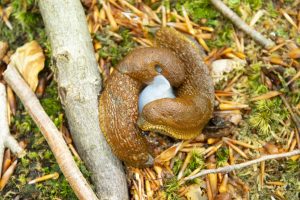
Red slugs mating
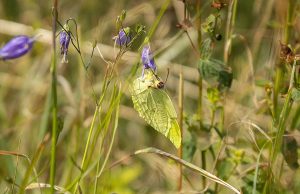
Brimstone butterfly in Sweden
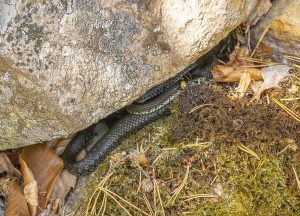
Grass snake in Sweden
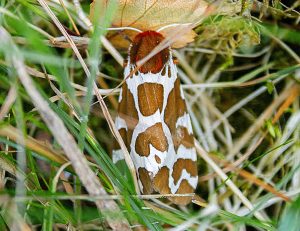
Great tiger moth in Sverige
Mayfly on Sweden
Dolomedes or raft spider in Sweden
Dung beetle in Sweden
Red squirrel in Sweden
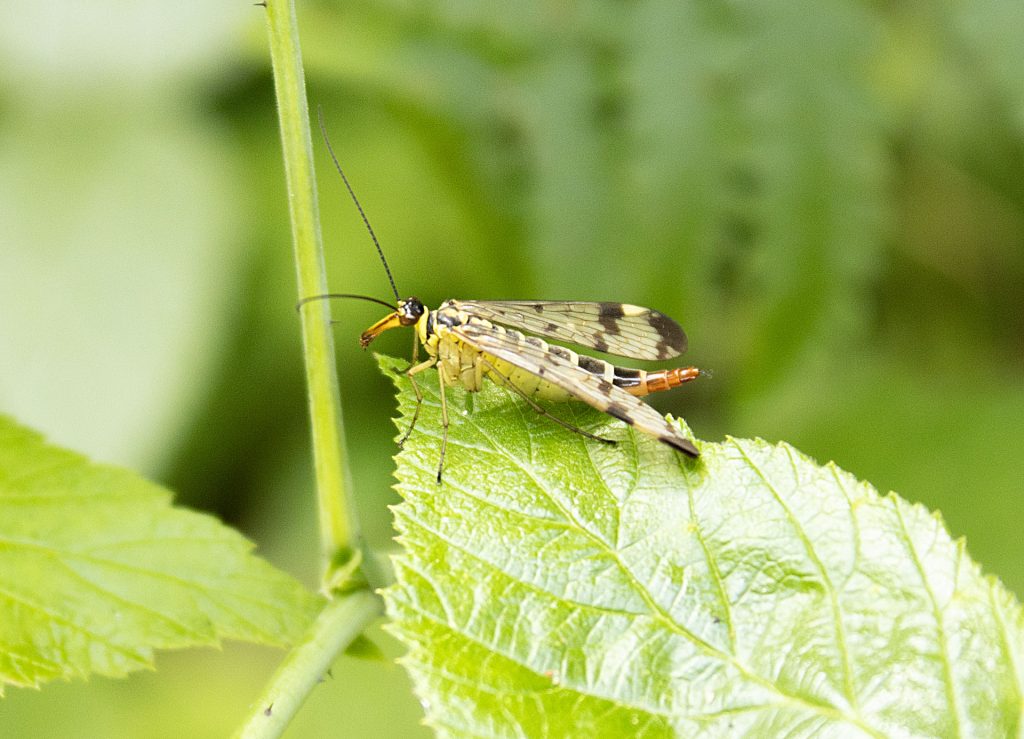
Scorpion fly in Sweden
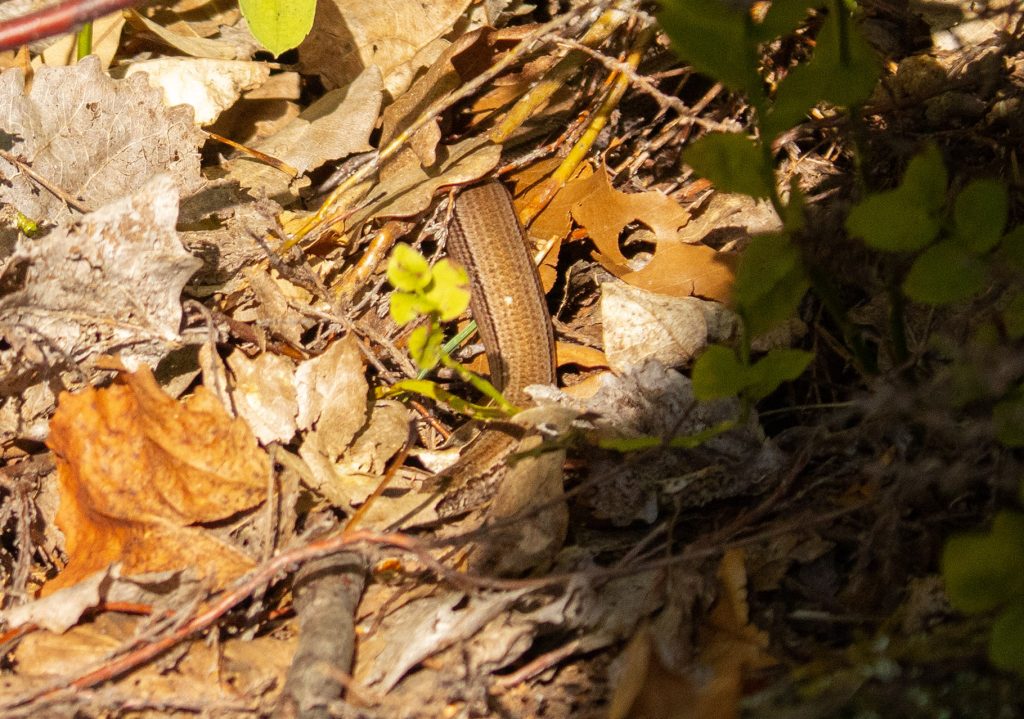
Slow worm in Sweden
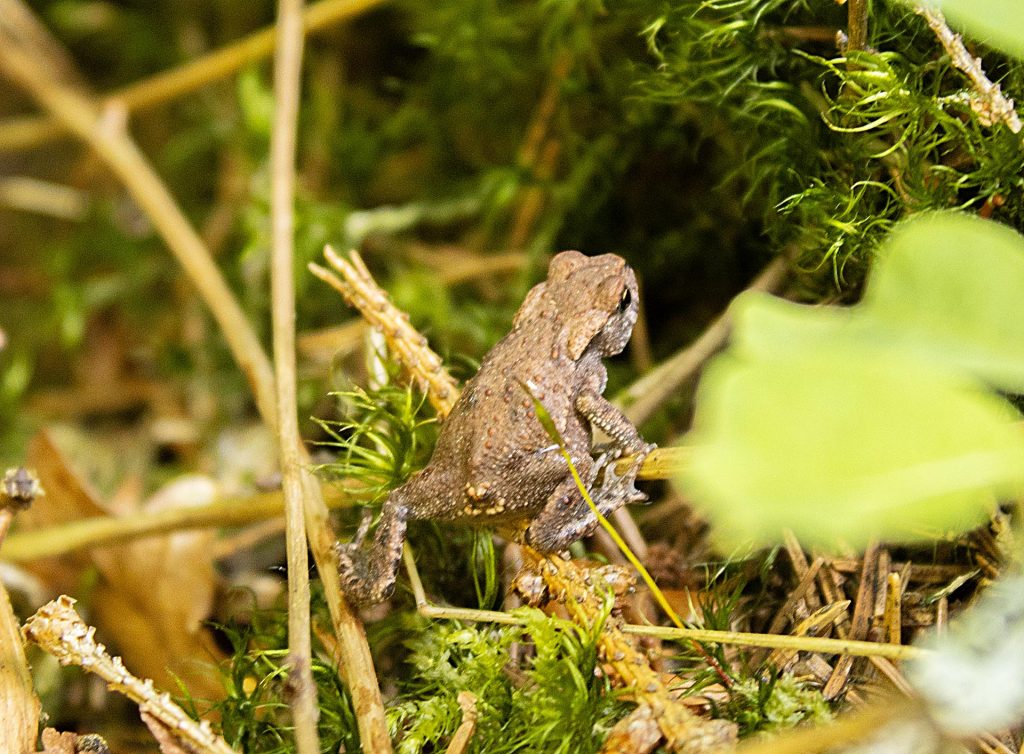
Toad offspring in Sweden
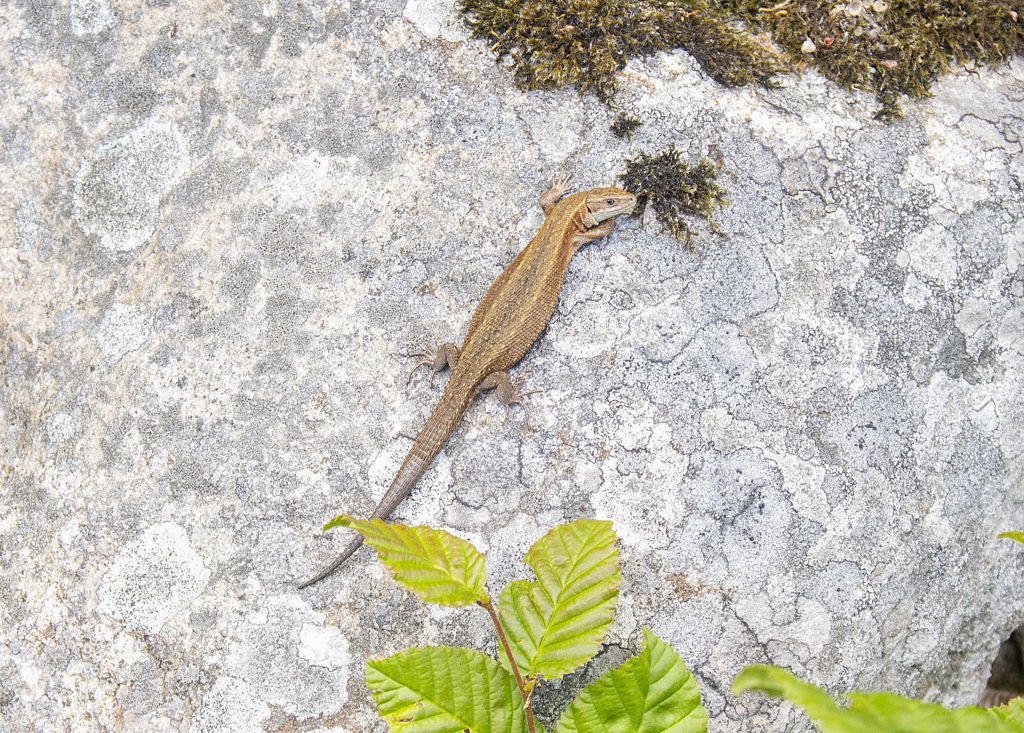
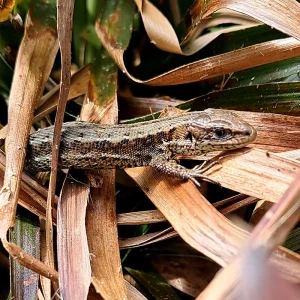
Lizard in Sweden
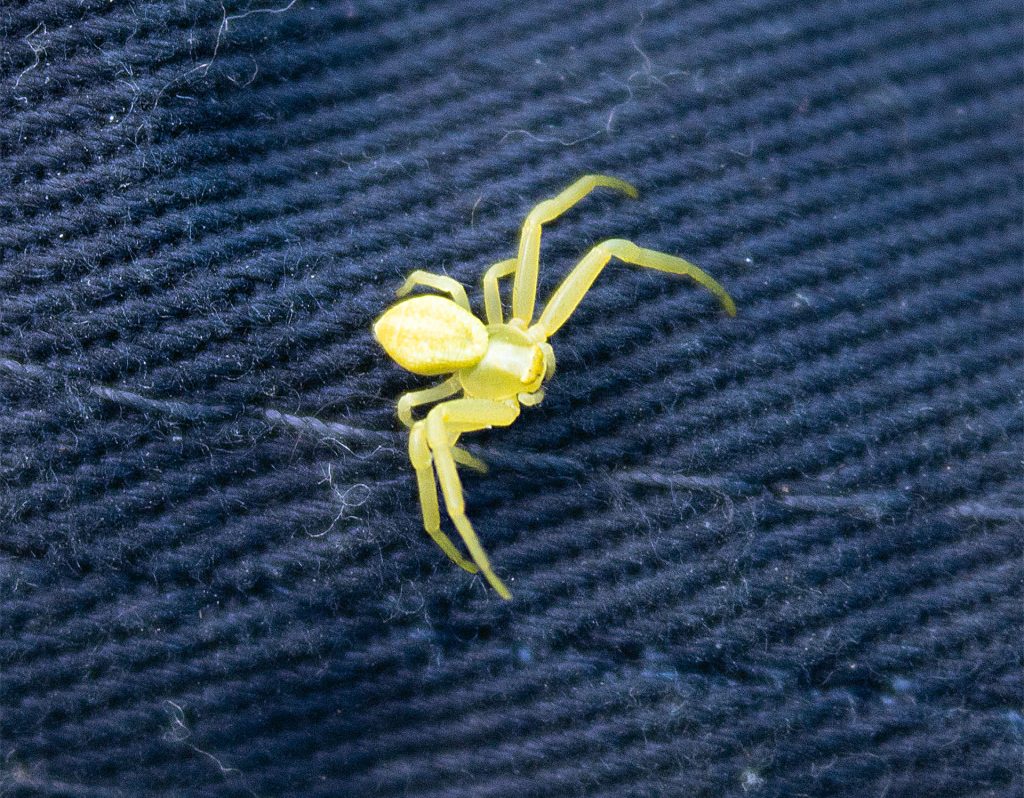
Crab spider in Sweden
Fritillary butterfly in Sweden
Swedish granite
Pegmatite in granite
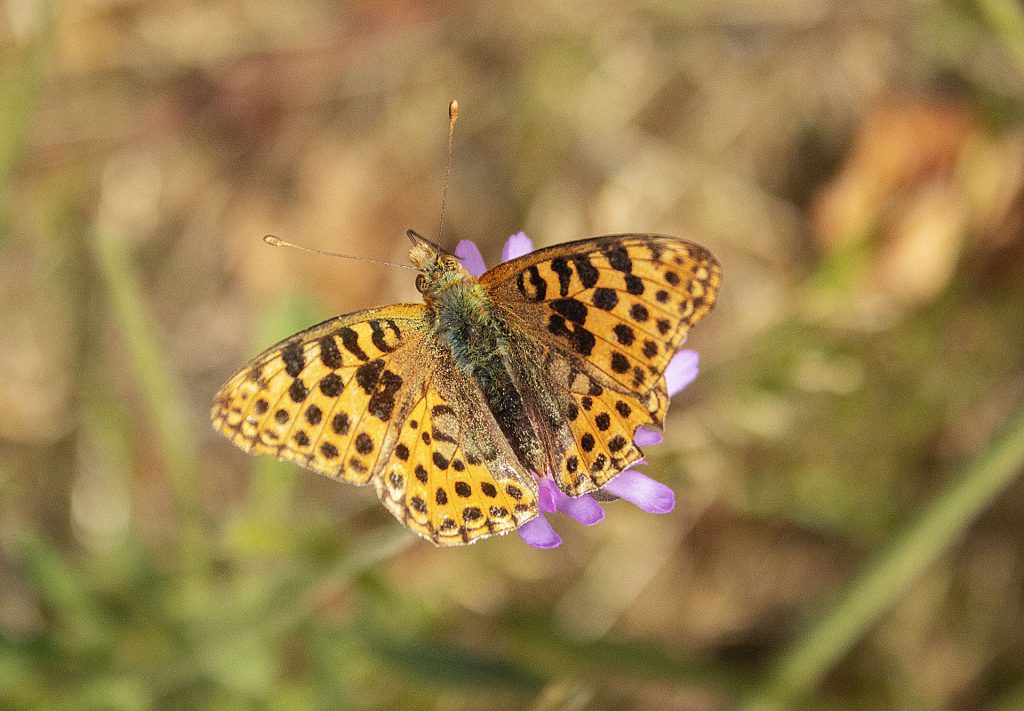
Fritillary butterfly
Fritillary butterfly in Sweden
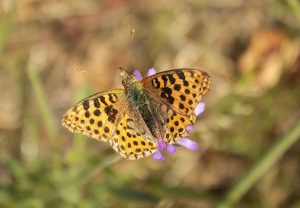
There are quite a few species of fritillary butterflies and one can get pedantic about identifying the individual species. Important pollinators, though, like so many other butterflies. In Swedish, some of them, including the one I snapped here, are known as Pärlemorfjärilar which translates into “nacre butterflies”.
Red or Spanish slug
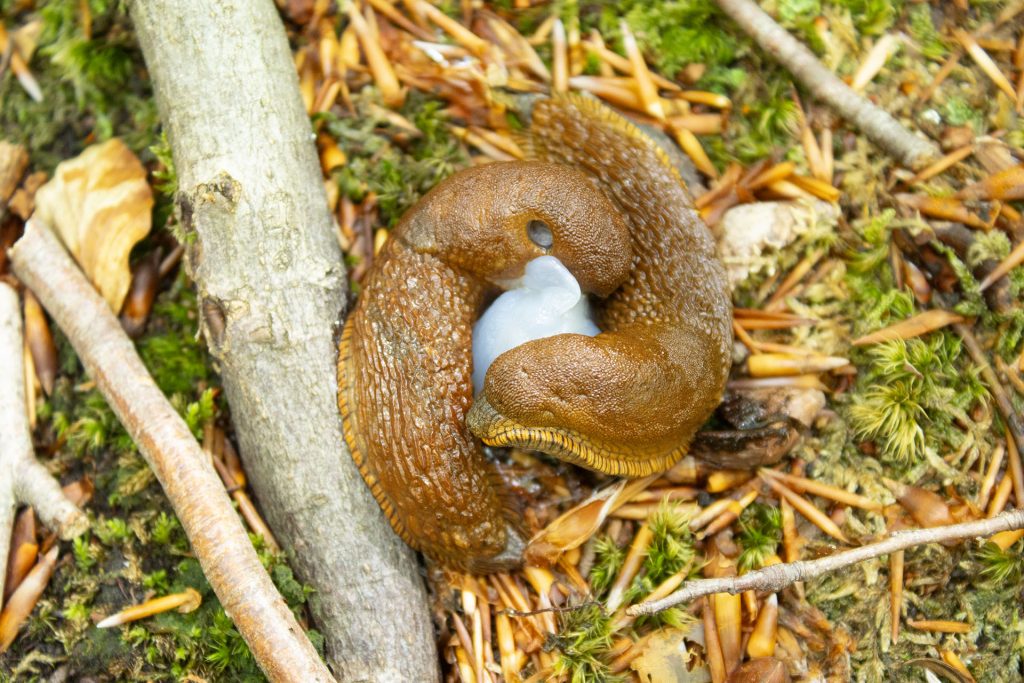
Red slugs mating
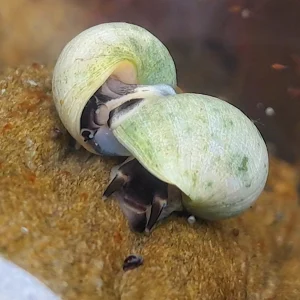
A few slug couples were doing it all over forest floor. Many slug species have been moved around the place by humans, and it’s now harder to say which one is dominant/invasive/inherent. Both the red and the Spanish slugs have been introduced and spread throughout Sweden by humans over the last 200 years, and they’re difficult to tell apart.
 
In Swedish, the Spanish slug is known as mördarsnigel or “murdering/killing snail” as it sometimes (but not always) eats other slugs. For the most part, it’s happy enough to chew on plants.
Brimstone butterfly
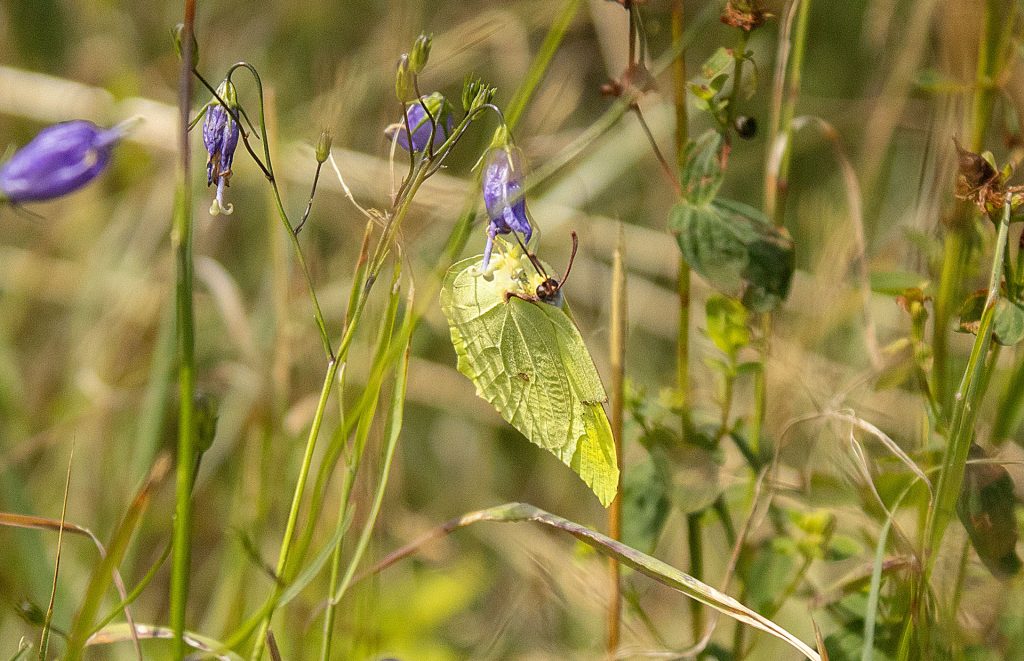
Brimstone butterfly in Sweden
Known as Citronfjäril, meaning lemon butterfly, in Swedish, this animal is a fan of flowers in the red and blue spectrum. The harebell in the picture is a common roadside occurrence and Sweden’s national flower.
Grass snake
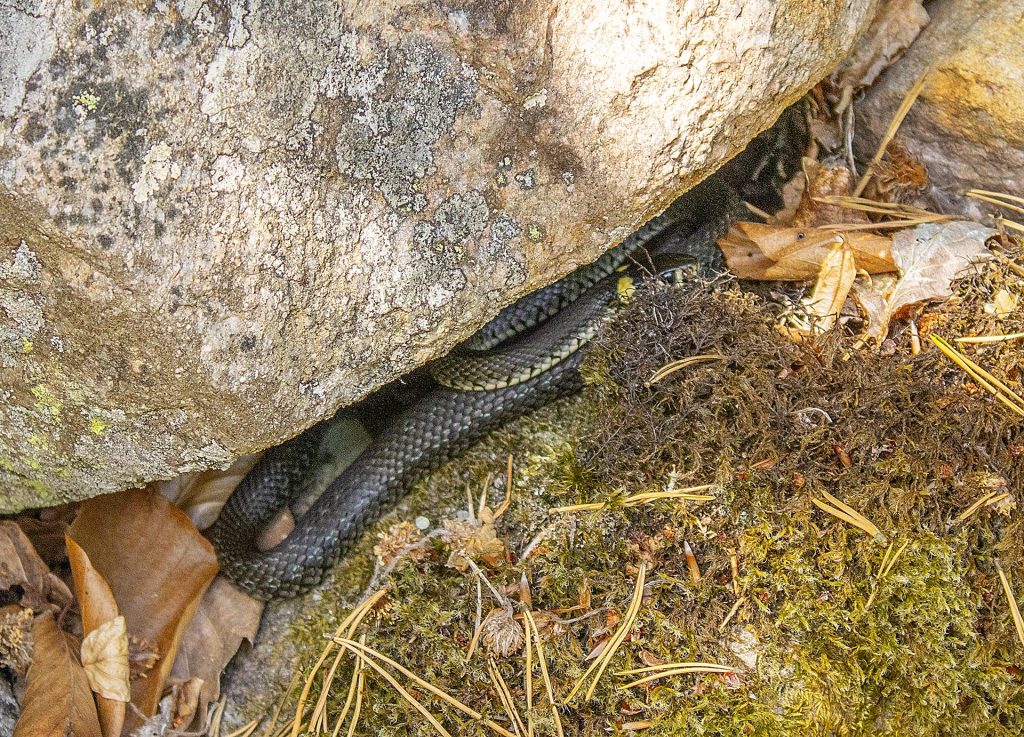
Grass snake in Sweden
My best photo of a grass snake from this time around! I’ve of course posted better footage of it, but I think this is a good representation of how you’ll usually spot this elusive predator.
 
As the sun was blazing during my trip, I spotted quite a few of them, but it’s hard to snap pictures of them as they quickly escape into nearby thick vegetation or tight crevasses. In Swedish it is known as a snok.
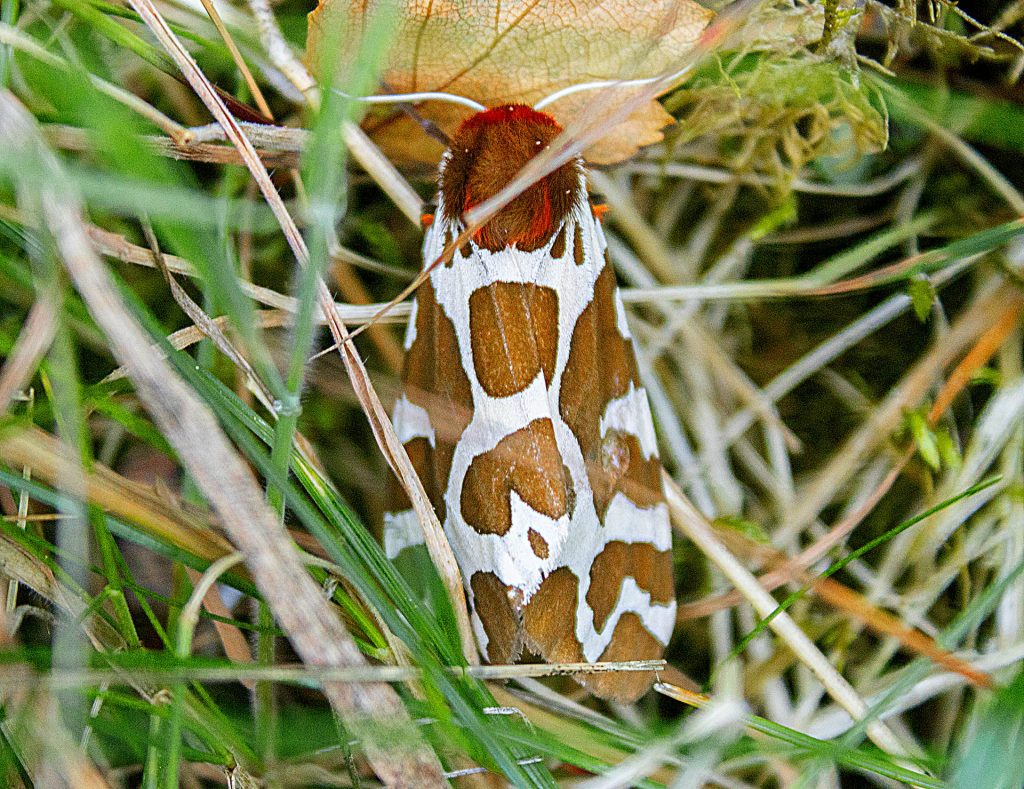
Great tiger moth
Great tiger moth in Sverige
Was busy painting a cabin, when I spotted this beauty sitting passively in the grass. Brun björnspinnare (Brown bear spinners) come out at night, so seeing this out in the open early evening was perhaps not a good sign.
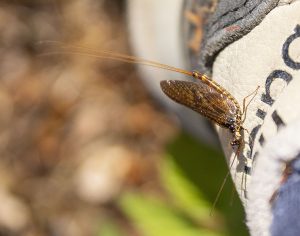
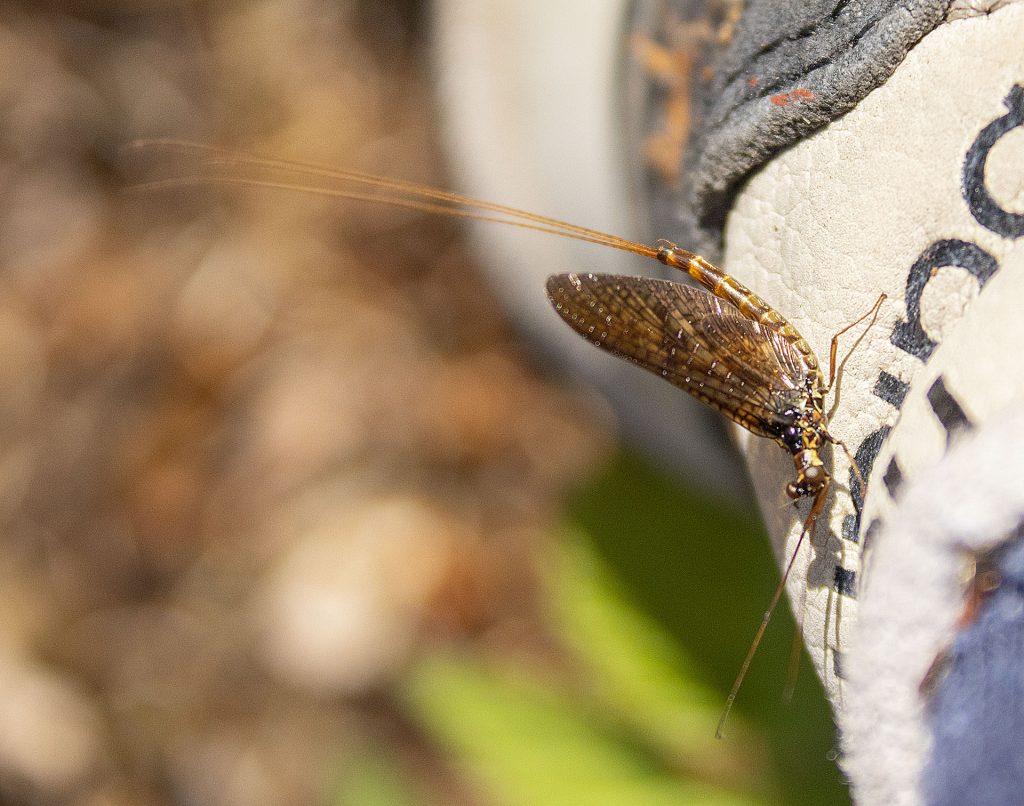
Mayfly
Mayfly on Sweden
The names Dagsländor in Swedish or Døgnfluer in Danish hint at the animal’s exceptionally short lifetime during its adult stage – sometimes only a few hours before it then dies. In Danish, we thus use the term døgnflue to describe trends or happenings that will or do only stay relevant for a short while.
 
On the more impressive side, the fossil record of mayflies go back to the late Carboniferous about 300 million years back! As the one in the picture, they’re tied to freshwater areas.
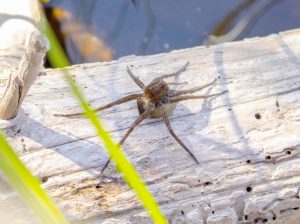
Raft spider
When I say that the raft spider is huge, I mean huge compared to most other spiders you’ll see. Dolomedes is an animal I’ve always wanted to find, and here it was. A family member of mine managed to snap a more presentative individual with her phone on the same trip, which I included here too.
 
If you’re by a Swedish lakes and you see an unusually large spider suddenly taking a dive into a lake or pond, it likely is this one. Diving underwater, they’re even able to catch small fish as prey.
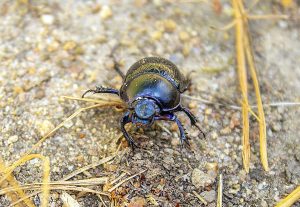
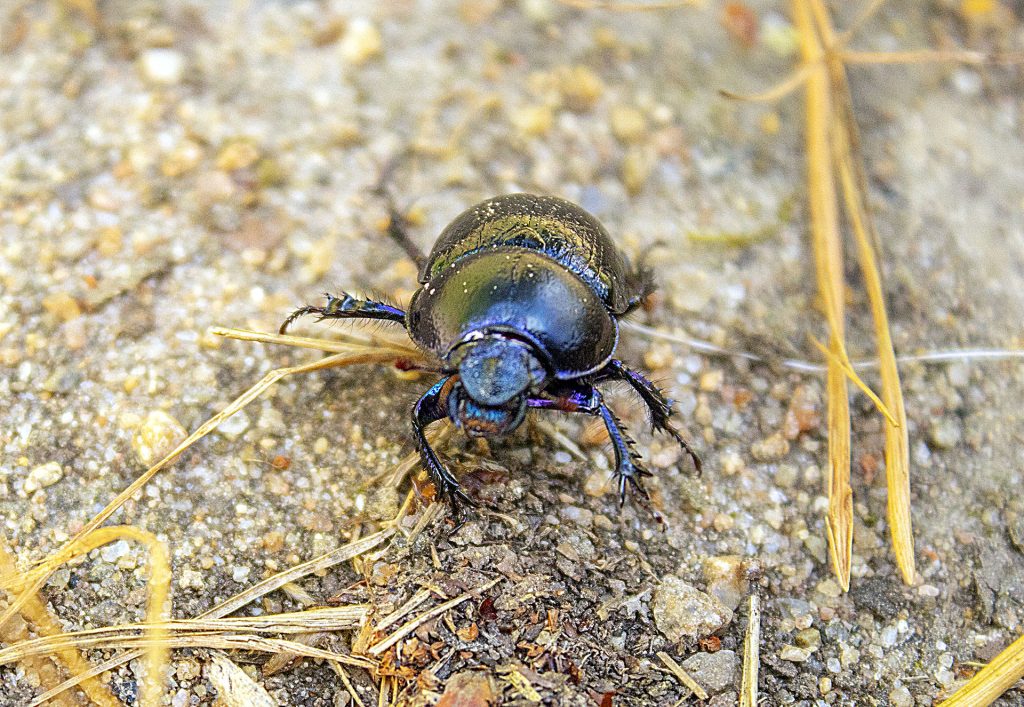
Dung beetle
Dung beetle in Sweden
The bin folks of the forest, dung beetles rely on mammal droppings and decomposing fungi and carcasses for sustenance. You may sometimes catch them in action rolling horse or deer droppings across the ground. In Swedish, they’re known as Skogstordyvel.
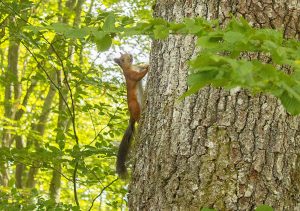
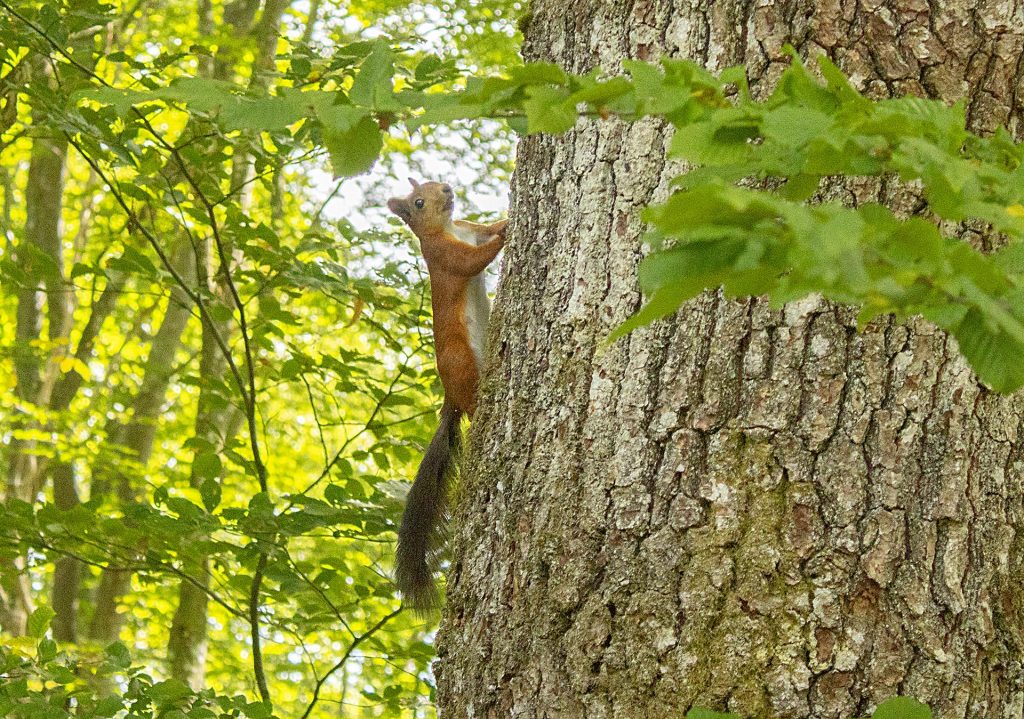
Squirrel (a very angry one as well)
Red squirrel in Sweden
Squirrels or ekorrar are often quite shy, but this one wasn’t. In fact, it was pretty pissed off. It jumped from tree to tree above me emitting some pretty harsh (but also highly adorable) sounds, while ripping off and tossing tree bark at me.
 
I walked 40 metres down the road, but still it wasn’t enough as it just jumped onwards to trees closer to me. Eventually, it climbed down to my level and continued to make a fuss before losing its cool and climbing up again.
 
While they mostly eat nuts and seeds, they may also feed on bird chicks.
Scorpion fly
Scorpion fly in Sweden
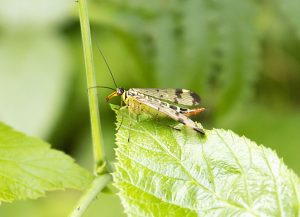
Scorpion flies (skorpionslända) are neither flies nor scorpions, but likely more closely related to fleas, funnily enough. The males have a scorpion-like sting at the end of their tails, which is absent here on this, likely female, individual.
 
This particular scorpion fly also uses a flea-like jumping mechanism when it sets off, akin to a similar and even more flea-like group of scorpion flies called snow fleas.
 
Researching this, I got sucked into papers on the relationship between fleas and scorpion flies. Scorpion flies also have a long fossil record, and fleas might have originated from these, but conclusions seem to be a bit inconsistent. Might dive into this another time!

Slow worm
Slow worm in Sweden
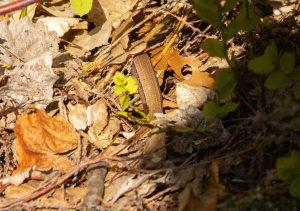
Another animal with an arbitrary name, slow worms are not worms nor slow. Due to their mostly legless bodies and slithering movement, people often think they’re snakes. In fact, they’re also lizards and behave very much like their fellow legged reptiles.
 
Often you’ll find them resting in the sun heating their bodies, and at times, they’ll be too sluggish to move as you approach. But once they cop on to there being a threat, they quickly slither to safety. Searching for hours, I finally caught this one well camouflaged between the leaves.
 
In Swedish, they’re known more charismatically as Kopparödlar or copper lizards. 
Toad offspring
Toad offspring in Sweden
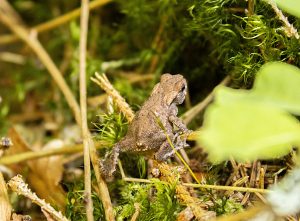
I’ve covered a Swedish toad before, so I can give this little young one a bit of attention. The vanliga padde (common amphibian) are solitary and usually active during the night when they’re out hunting. 
 
My favourite fact about amphibians such as toads, frogs, newts and salamanders is that they’re equally distantly related to reptiles as much as to us. That means that the lizard below here is more closely related to you reading this, than it is to the toad above.
 
Wild!
Viviparous lizard
Lizard in Sweden
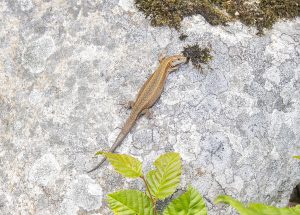
If you hear a sudden ruffling of grass and leaves in a meadow or forest, this is likely made by skogsödlar or viviparous lizards such as this one. I’ve a video of one also from Ireland.
Crab spider
Crab spider in Sweden
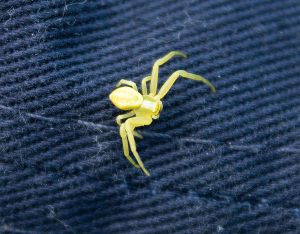
Their English name is similar to the Swedish Krabbspindel and covers about 2000 known species with about 30 described in Sweden. These spiders don’t build webs to catch prey, but instead camouflage themselves on flowers waiting with their long front legs spread out; as if anticipating a big hug from someone!
 
They can also walk sideways just like a crab, but are of course not related to crabs at all.
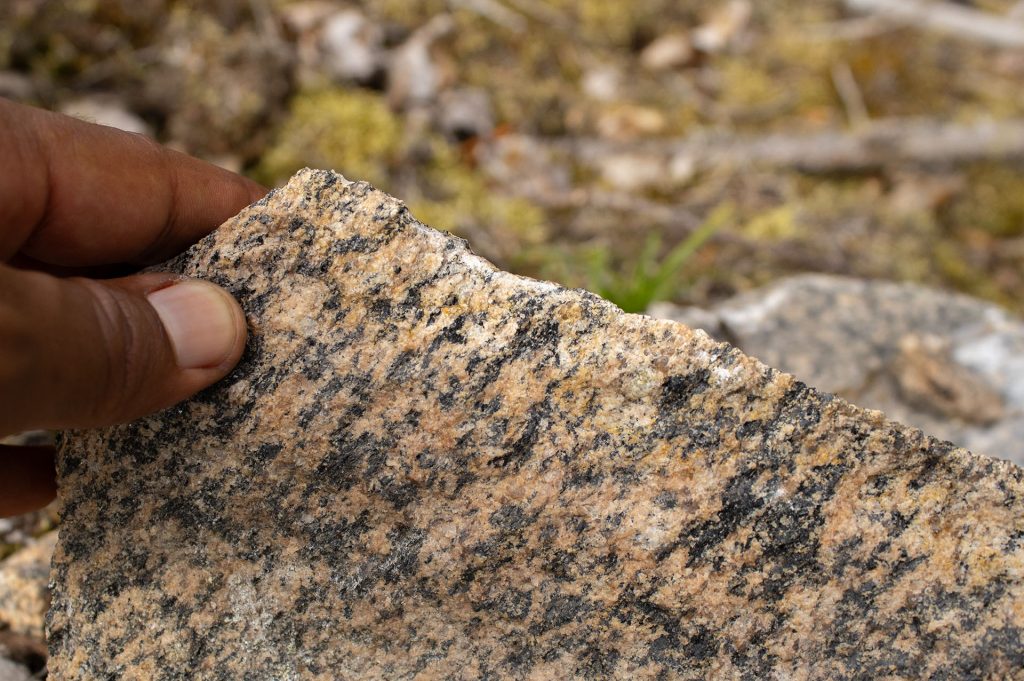
Granite
Swedish granite
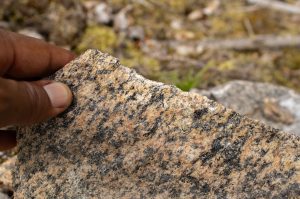
Most of the bedrock of southeastern Sweden is composed of extremely old granite and its metamorphic counterpart gneiss. The red-orange minerals viewed here are feldspars, while the black streaky minerals are amphiboles. You can study a granite in a better closeup here.
Granite with pegmatite
Pegmatite in granite
Once upon a time, a the now cold and solid granite was molten rock inside Earth’s interior. Eventually, this magma cooled and certain minerals crystallised based on the chemical composition of the magma.
 
At times, minerals in a cooling granite may have higher concentrations of water and here the crystals may grow disproportionately larger as seen here.
 
Pegmatites are therefore important sources of ore minerals as the large crystal growth may be associated with higher concentrations of key elements.

References:

Bossard R., L., Lareschi M., Urdapilleta M., Cutillas C. & Zurita A. 2023. Flea (Insecta: Siphonaptera) Family Diversity. Diversity, Vol. 15(10), 1096. DOI: 10.3390/d15101096

Burrows, M. 2019. Jumping and take-off in a winged scorpion fly (Mecoptera, Panorpa communis). Journal of Experimental Biology. Sep 18;222(Pt 18):jeb205385. DOI: 10.1242/jeb.205385

Sroka, P., Godunko, R.J. & Prokop, J. 2023. Fluctuation in the diversity of mayflies (Insecta, Ephemerida) as documented in the fossil record. Scientific Reports Vol. 13, 16052. DOI: 10.1038/s41598-023-42571-7

https://www.butterfliesathome.com/fritillary-butterflies.htm

https://butterfly-conservation.org/news-and-blog/identification-guide-to-large-and-medium-fritillaries

https://butterfly-conservation.org/butterflies/brimstone

http://www.european-butterflies.org.uk/

https://pollinators.ie/record-pollinators/id-guides/

http://www.irishbutterflies.com/

https://www.jic.ac.uk/research-impact/technology-research-platforms/entomology-and-insectary/slugwatch/slug-identification-guide/

https://www.nrm.se/fakta-om-naturen/djur/ryggradslosa-djur/sniglar

https://artfakta.se/taxa/106676/information

https://artfakta.se/taxa/201051/information

https://artfakta.se/taxa/201273/information

https://artfakta.se/taxa/208255/information

https://artfakta.se/taxa/2001728/information

https://svenskbotanik.se/nationalblomma/

https://naturporten.dk/leksikon/danmarks-dyr/insekter/dognflue

https://naturporten.dk/leksikon/danmarks-dyr/insekter/skovskarnbasse

https://www.naturbasen.dk/art/2081/skovskarnbasse

https://www.naturbasen.dk/art/2698/stor-rovedderkop

https://www.naturbasen.dk/art/2081/skovskarnbasse

https://www.nrm.se/fakta-om-naturen/djur/daggdjur/gnagare/ekorre

https://www.nrm.se/fakta-om-naturen/djur/grod--och-kraldjur/vanlig-padda

https://www.dn.dk/vi-kaemper-for/en-vildere-natur/dyr-og-truede-arter/egern/

https://fragaenbiolog.blogg.lu.se/ar-det-en-skogsodla-eller-en-sandodla-hur-ser-jag-skillnaden/